045. ARE YOU KIDDING?

Part Four of “The Agreement,” a special Valentine’s Week series

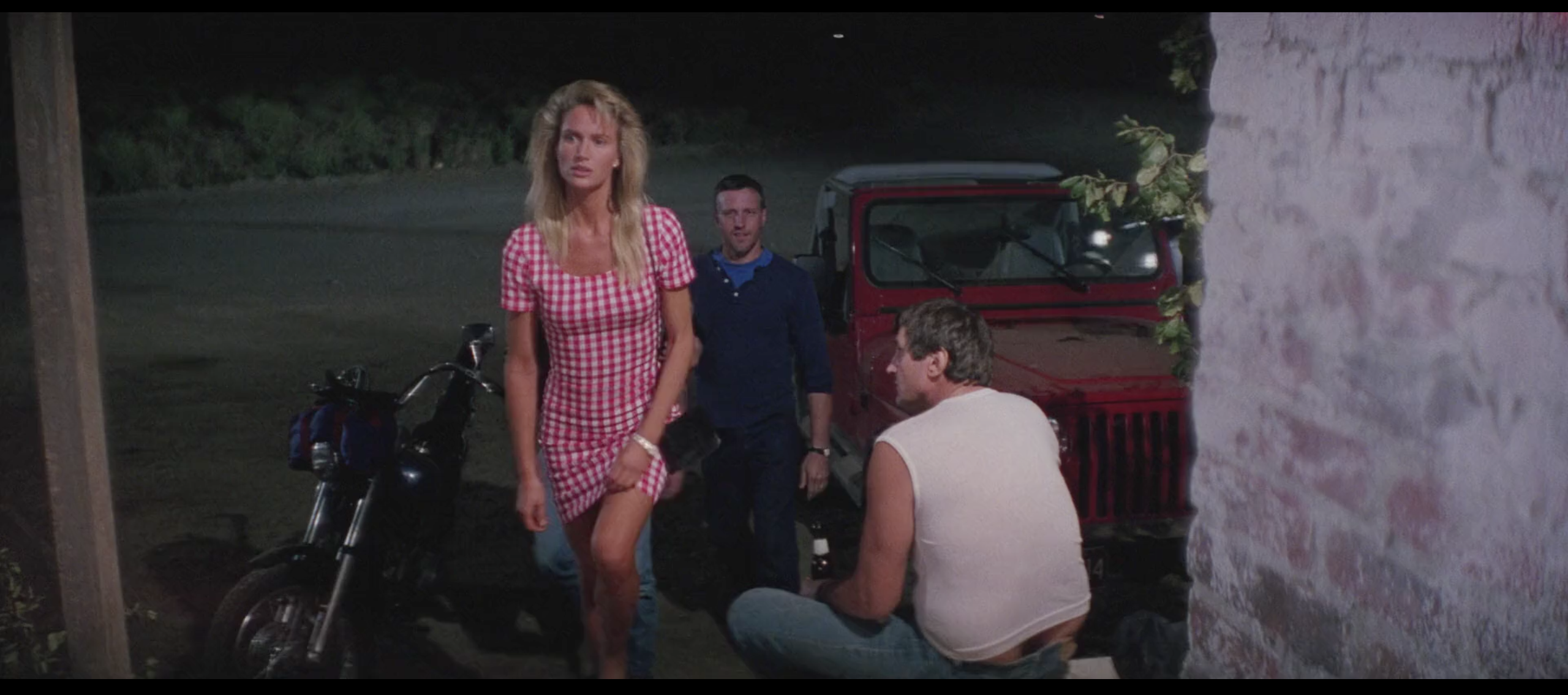
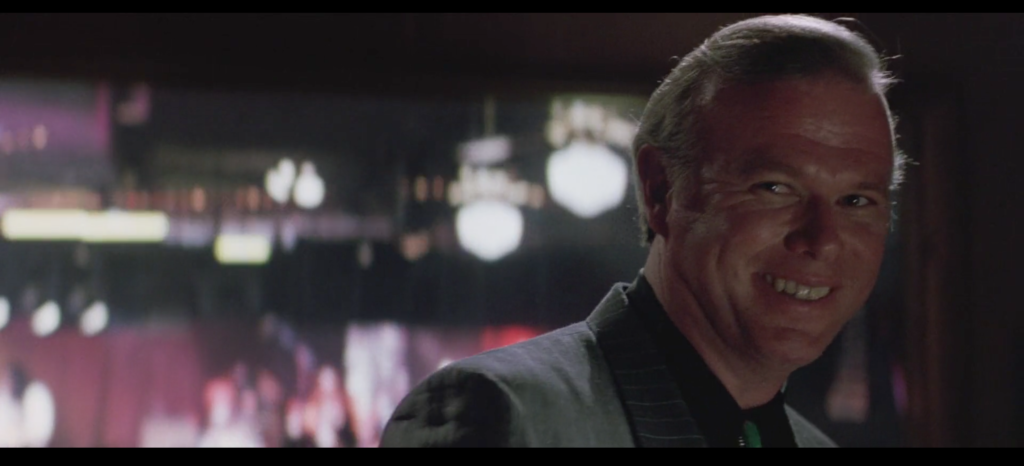
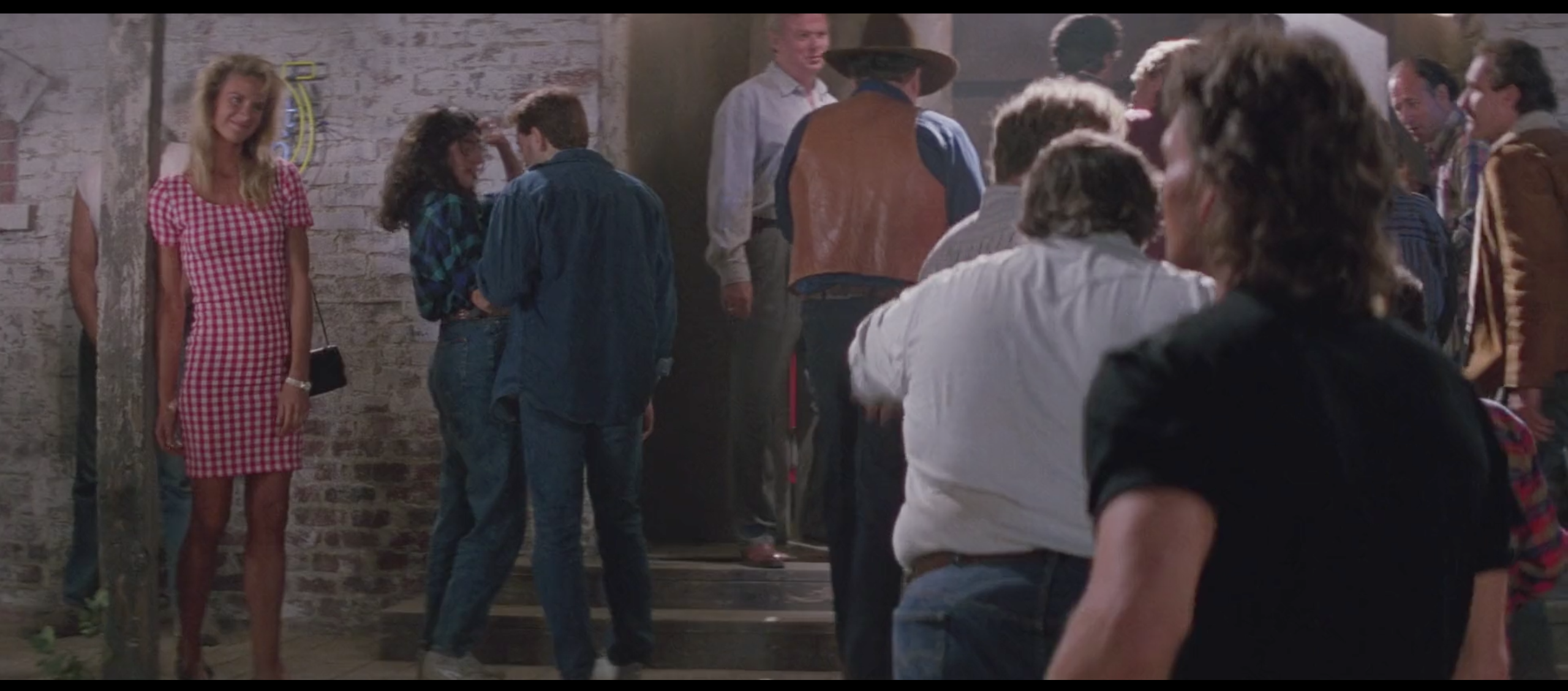
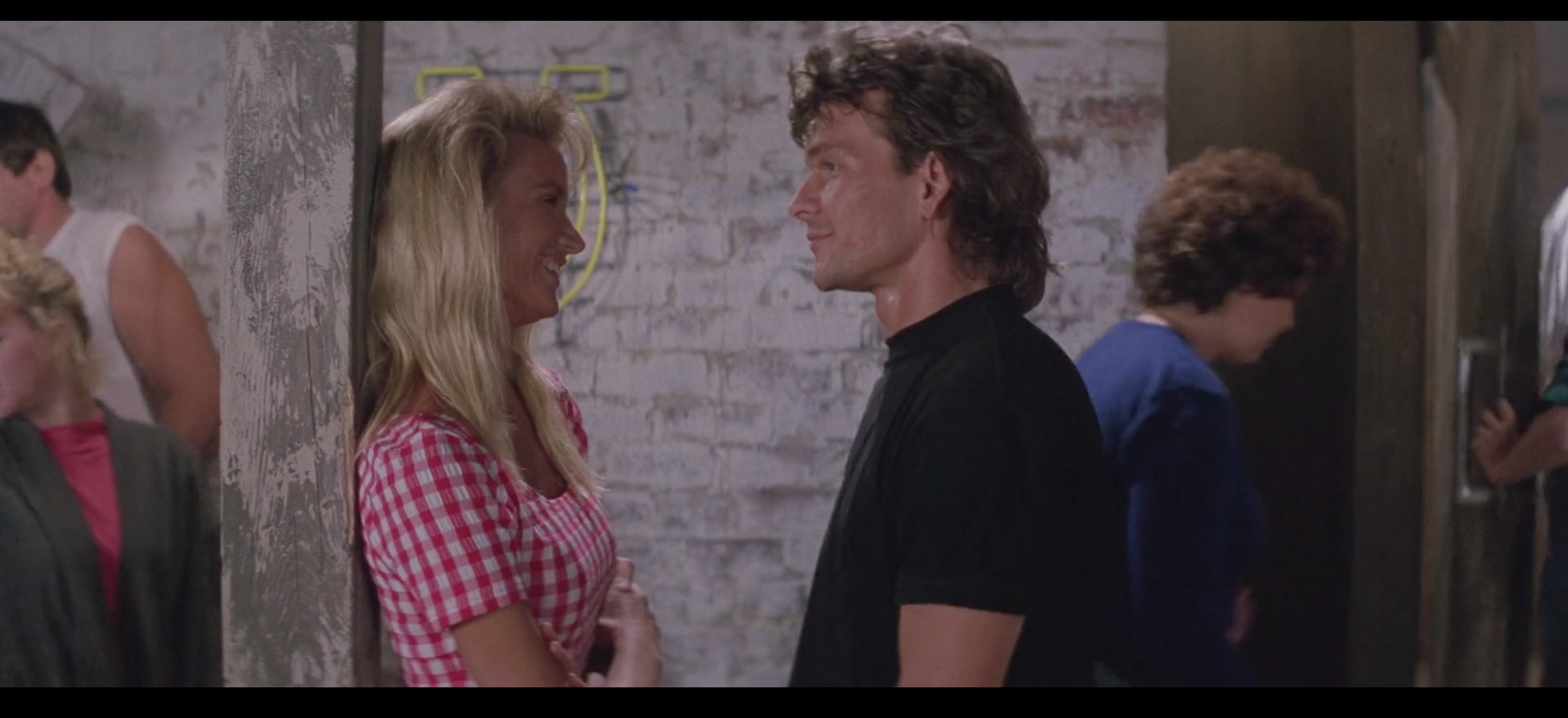
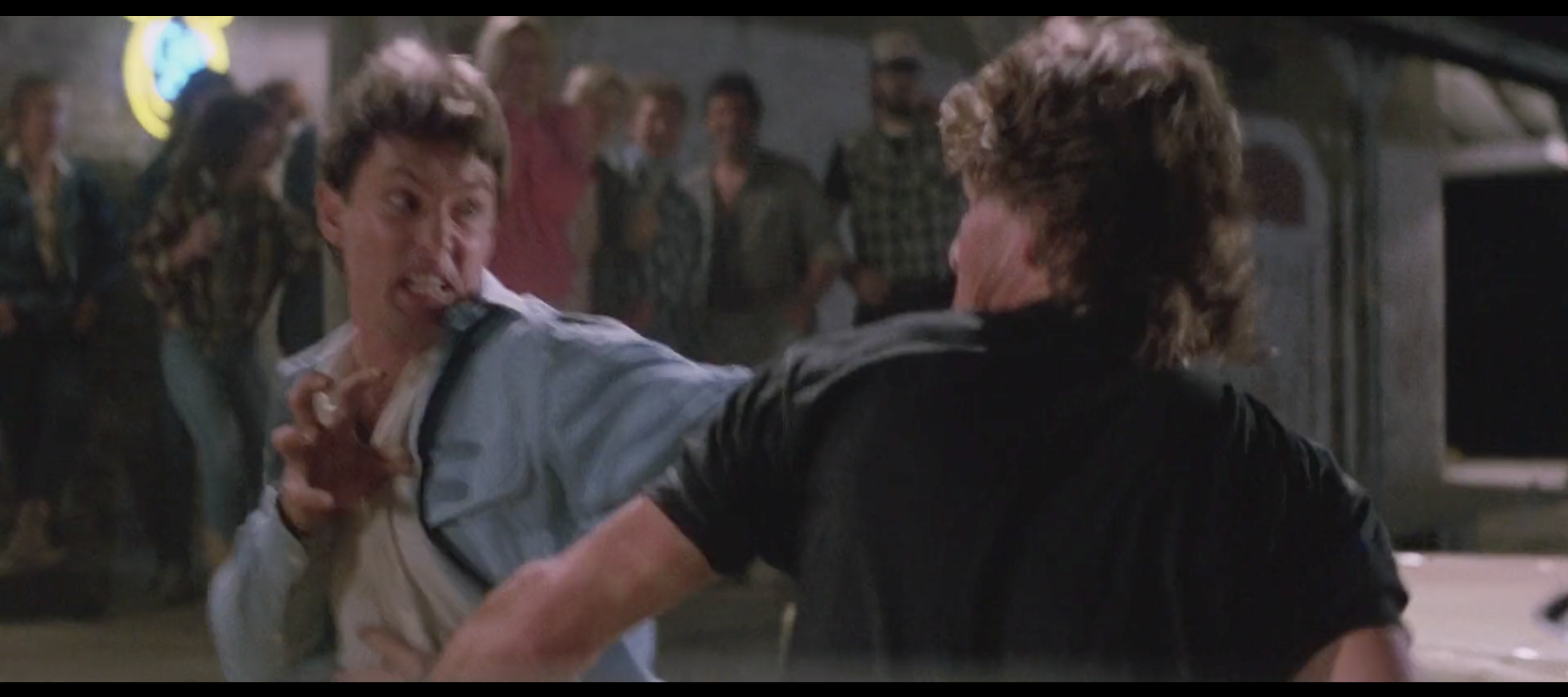
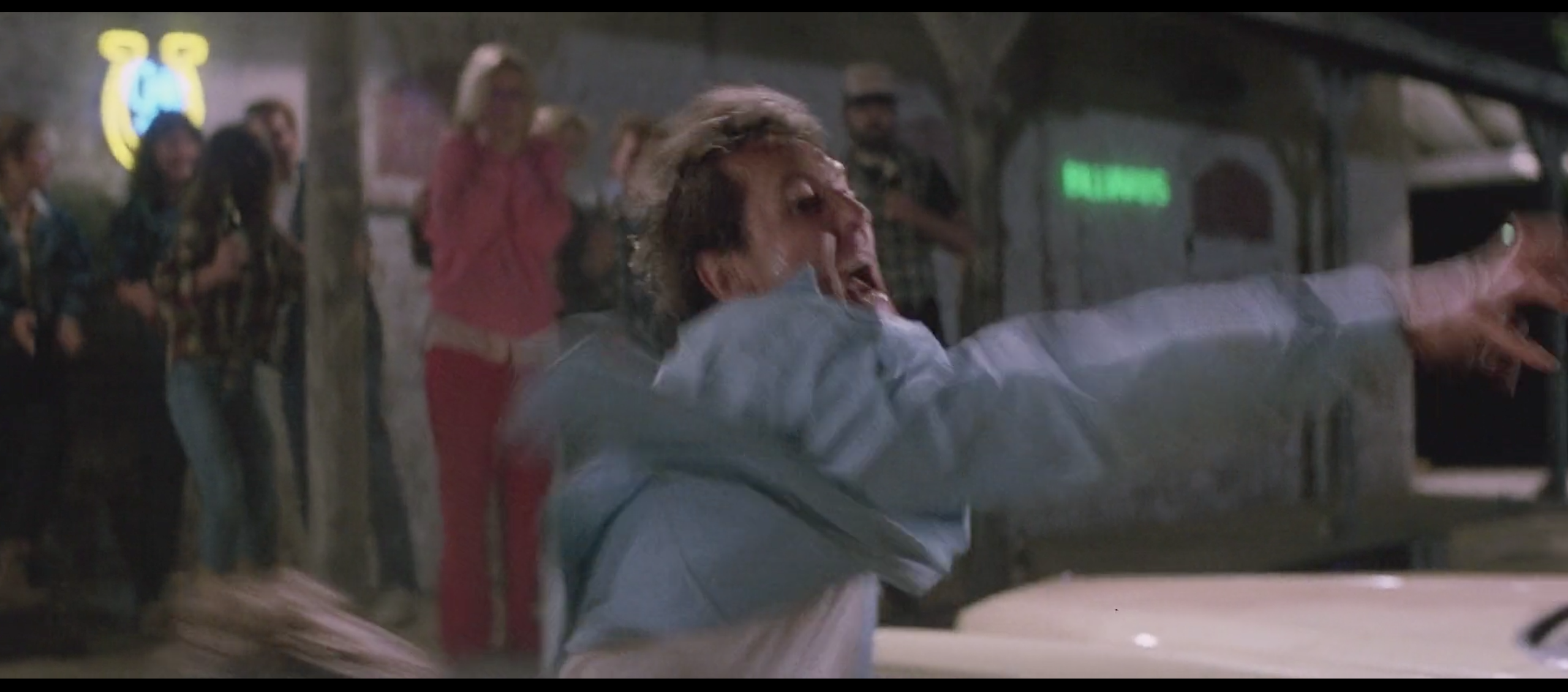
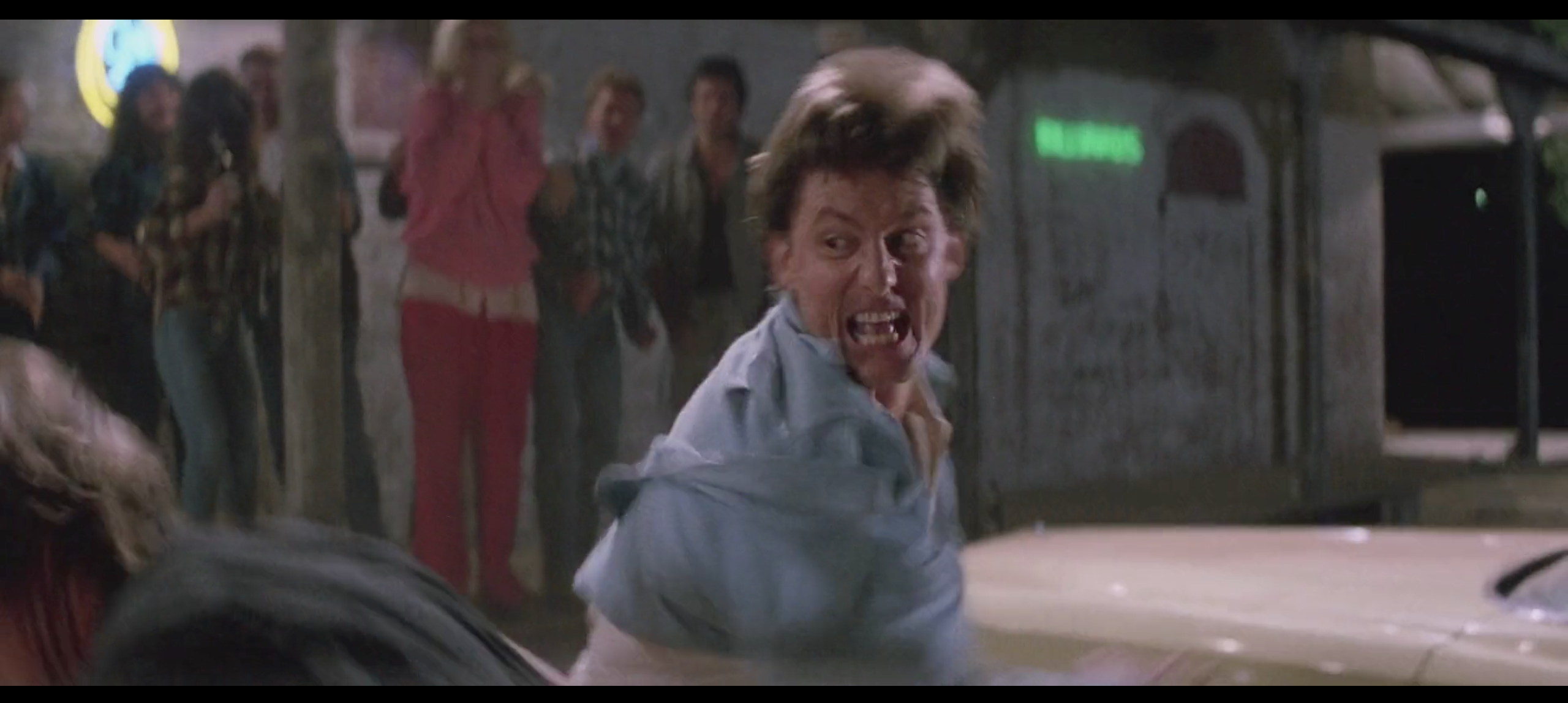
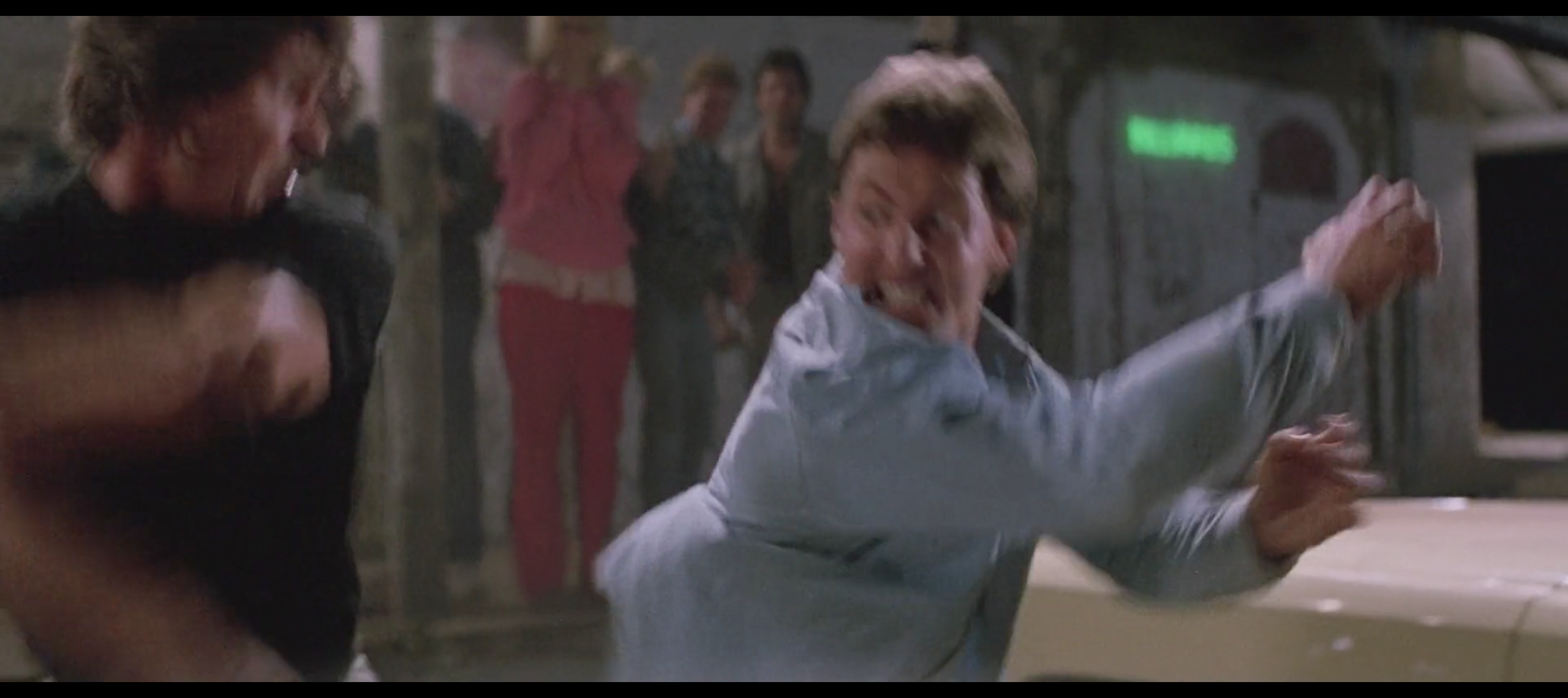
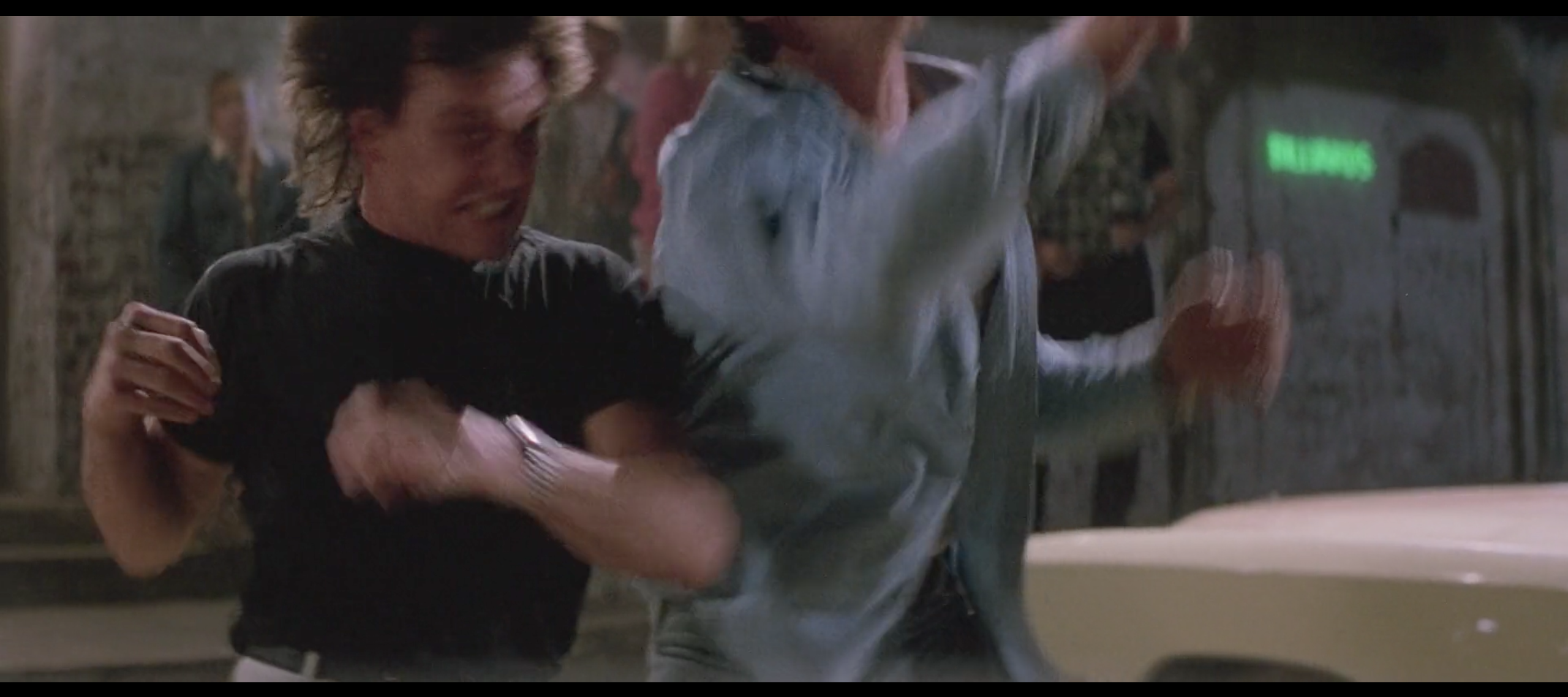
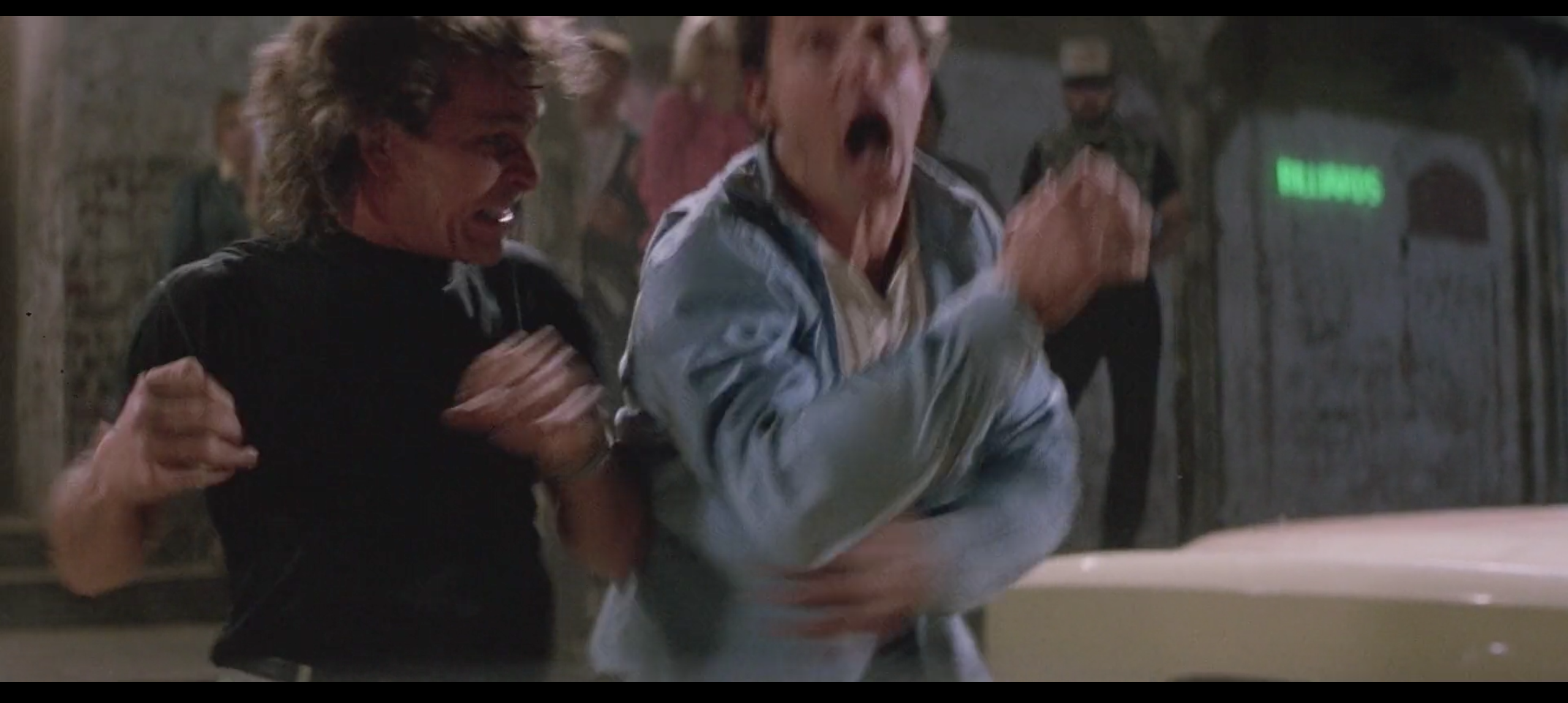
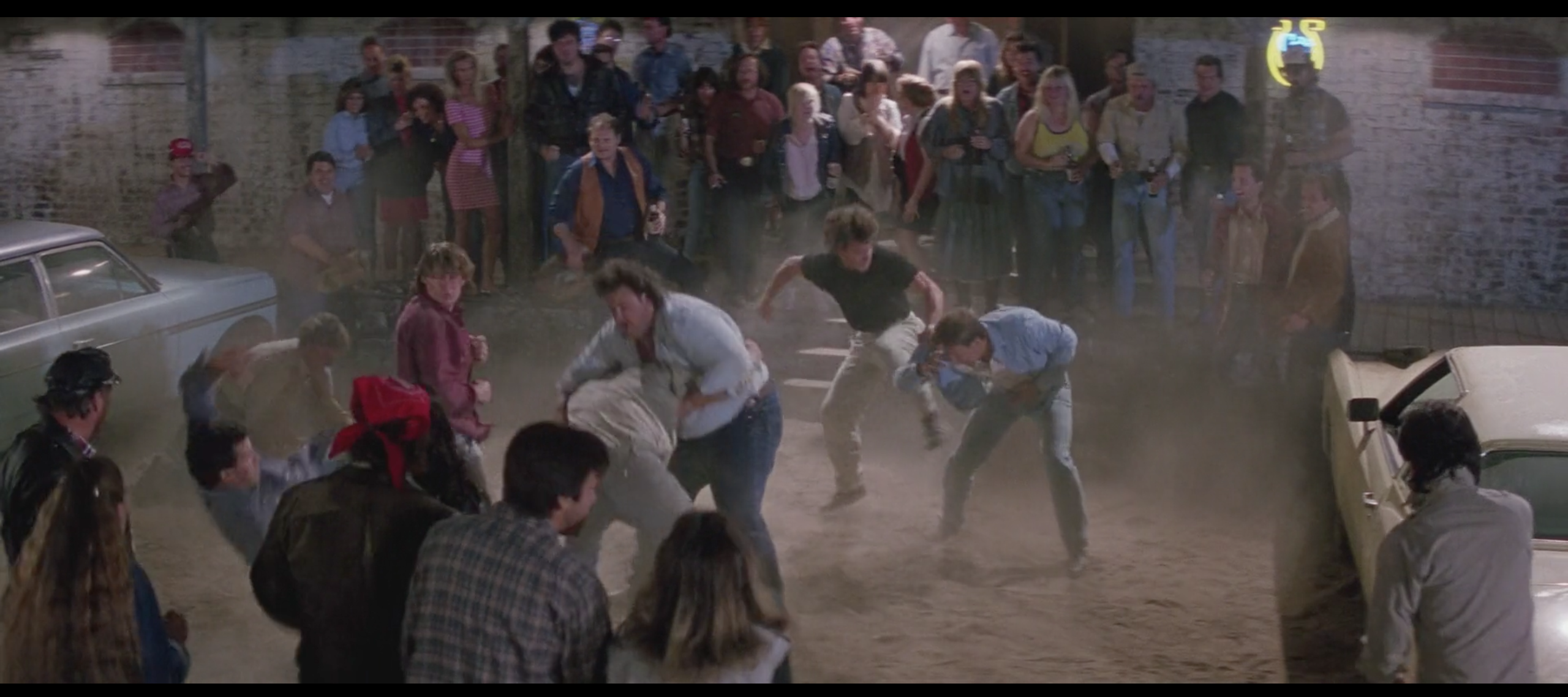
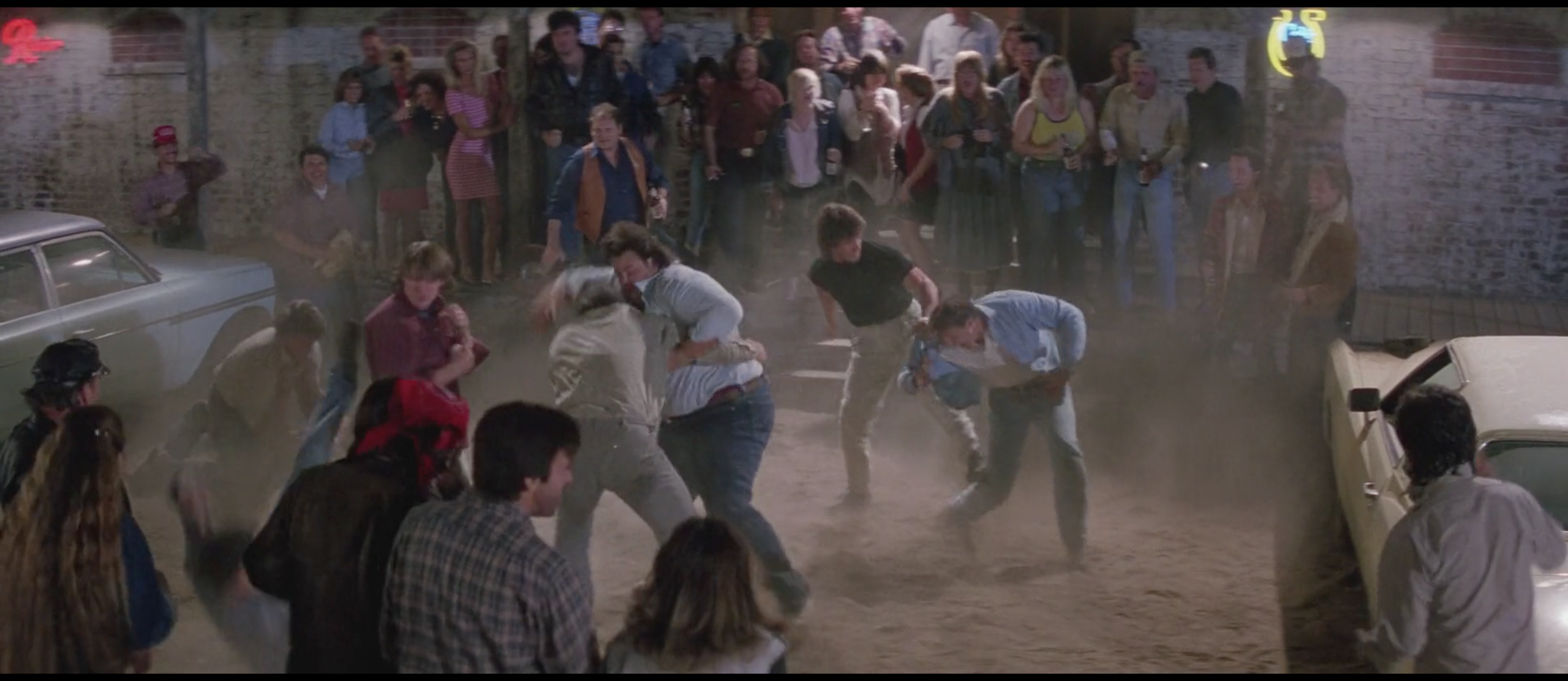
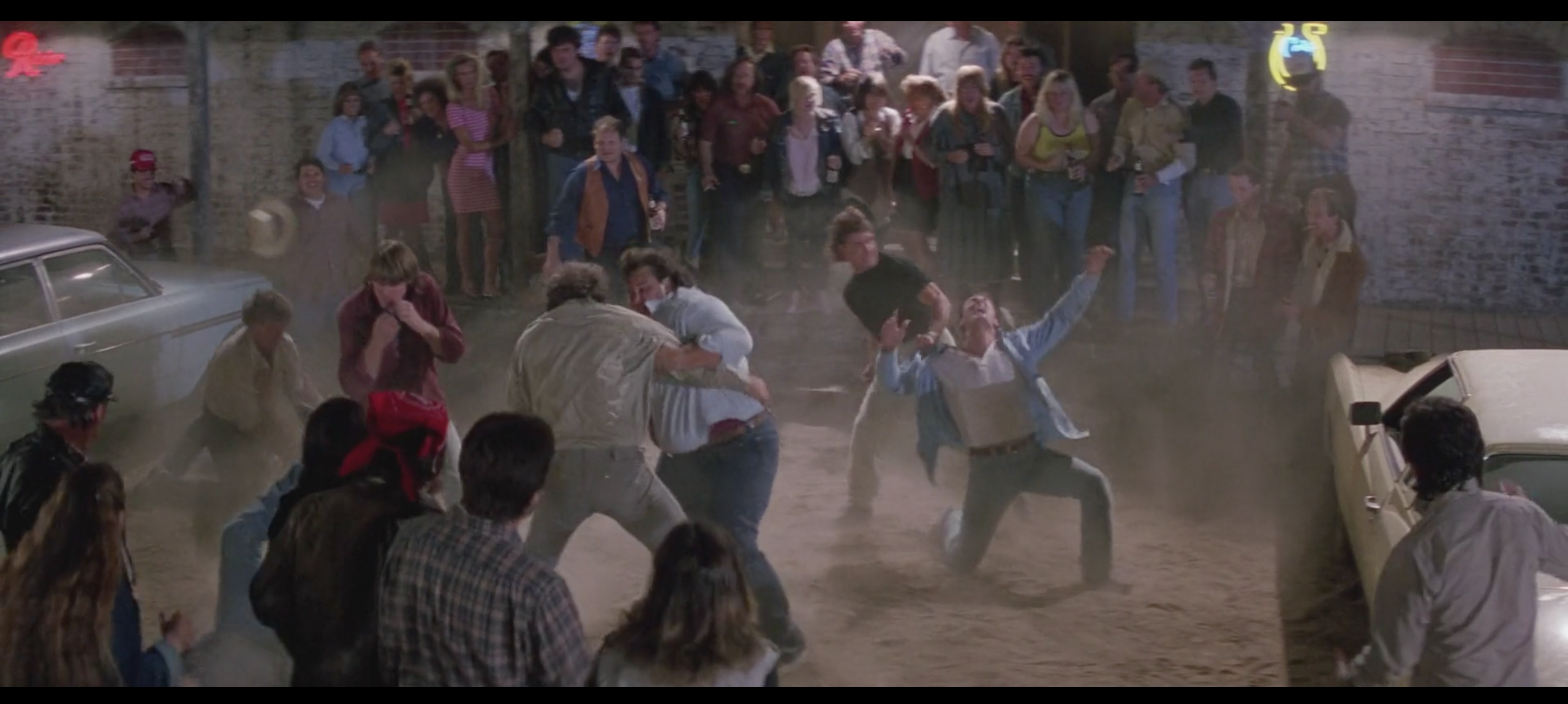
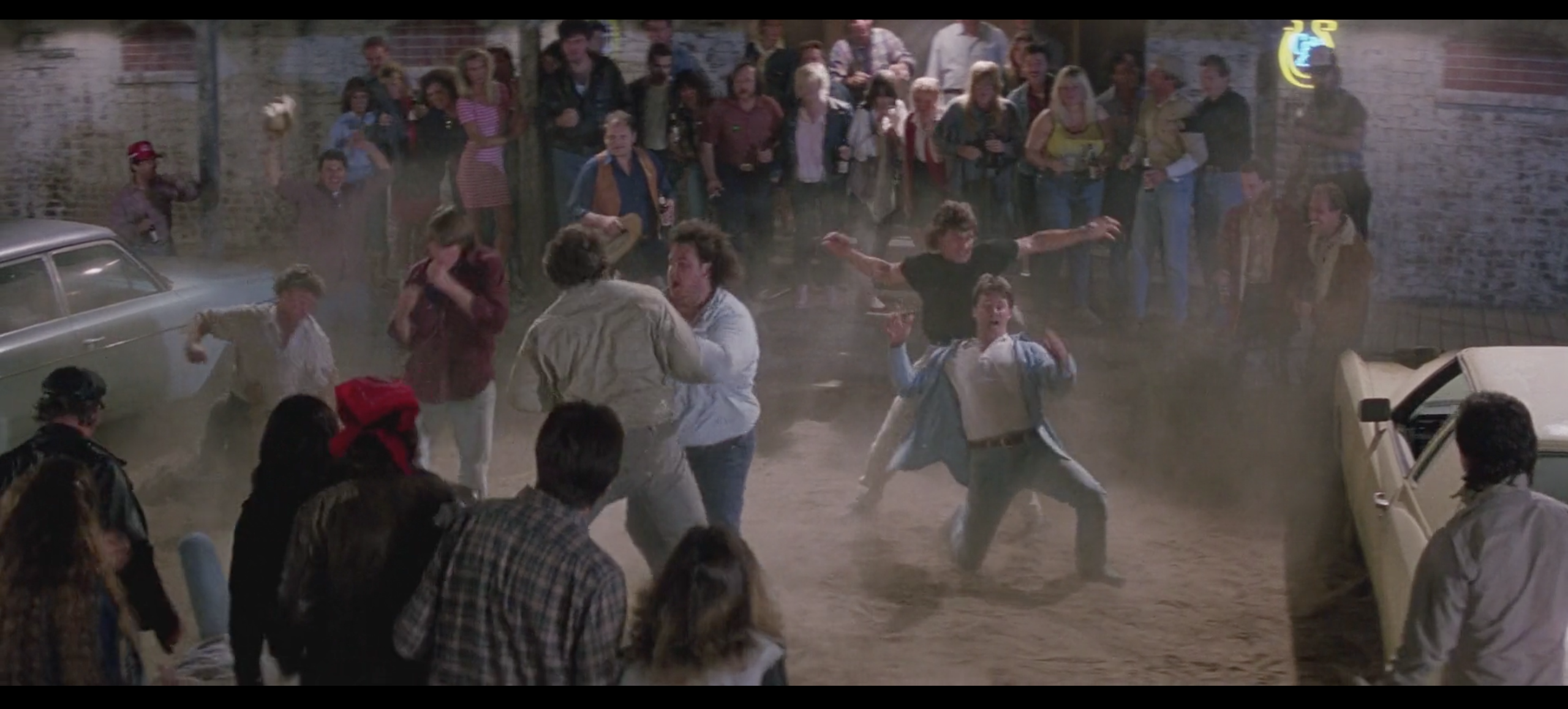
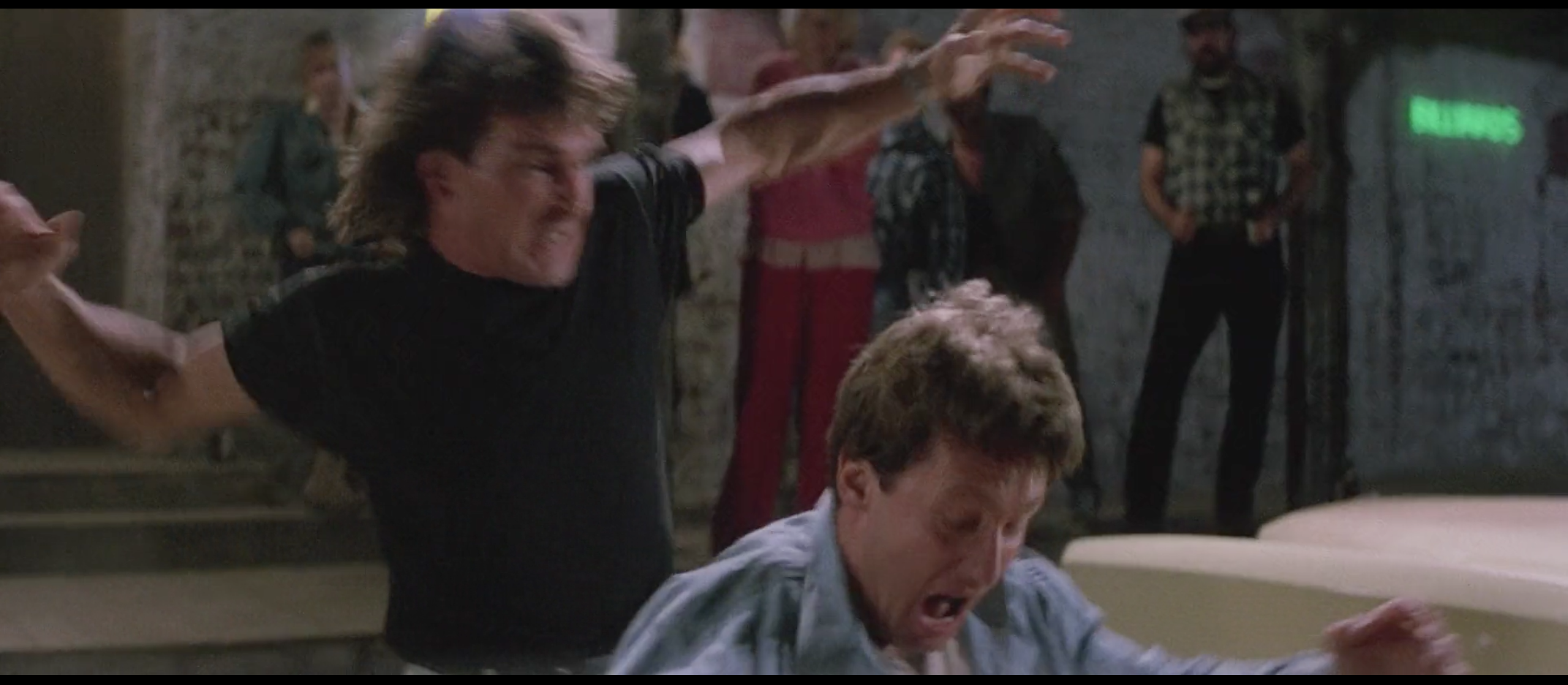
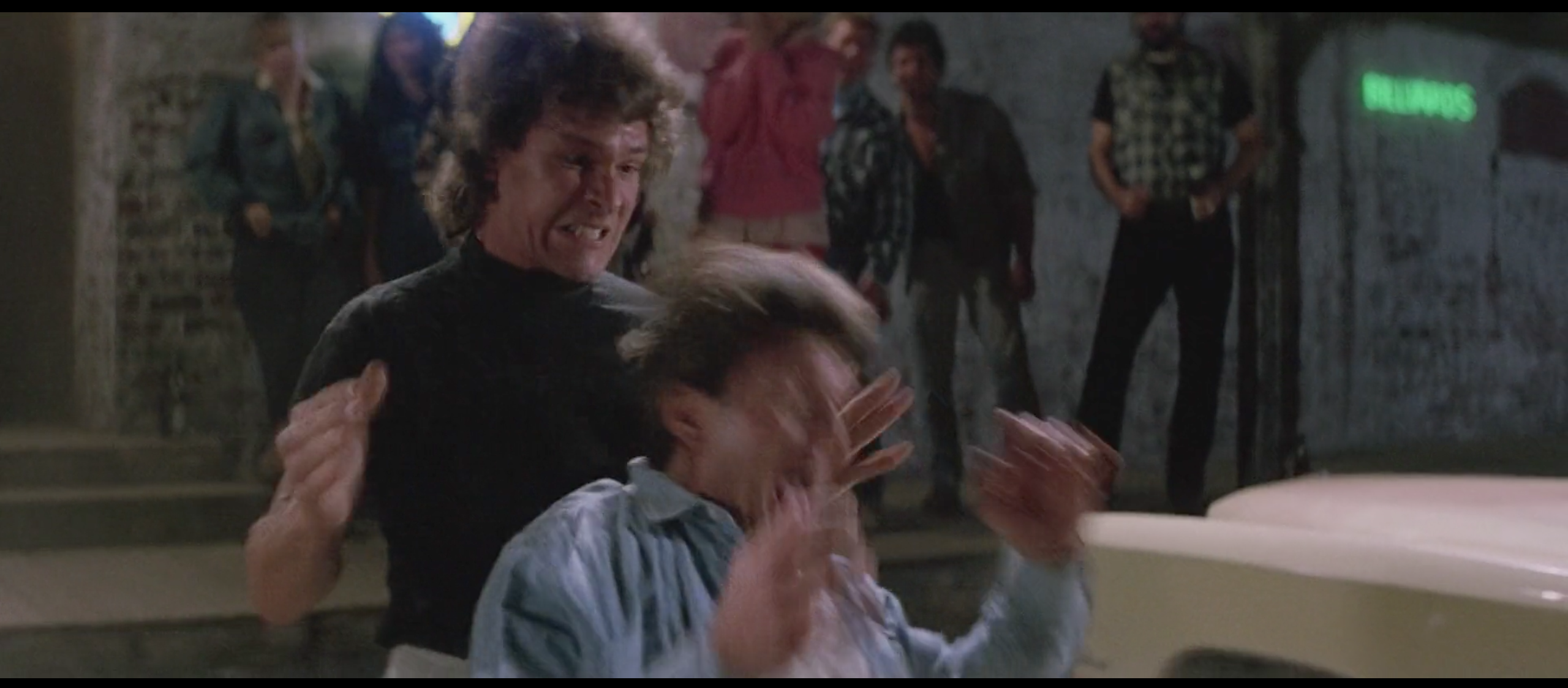
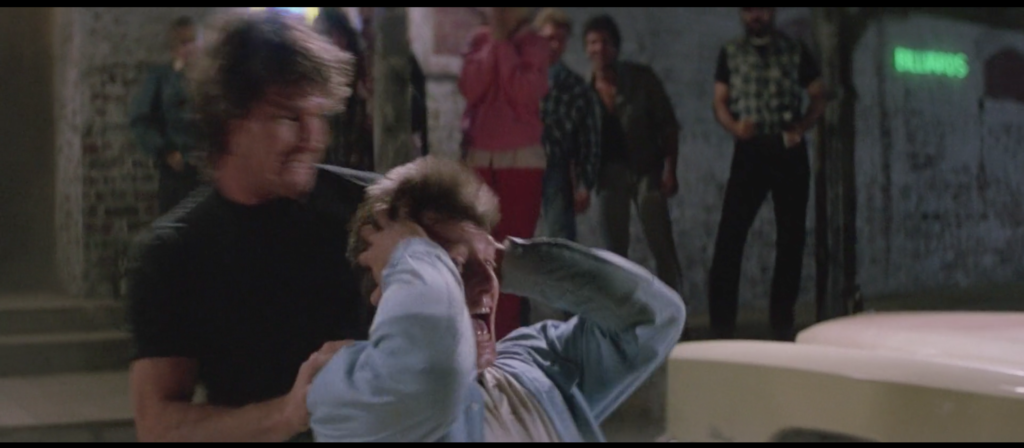
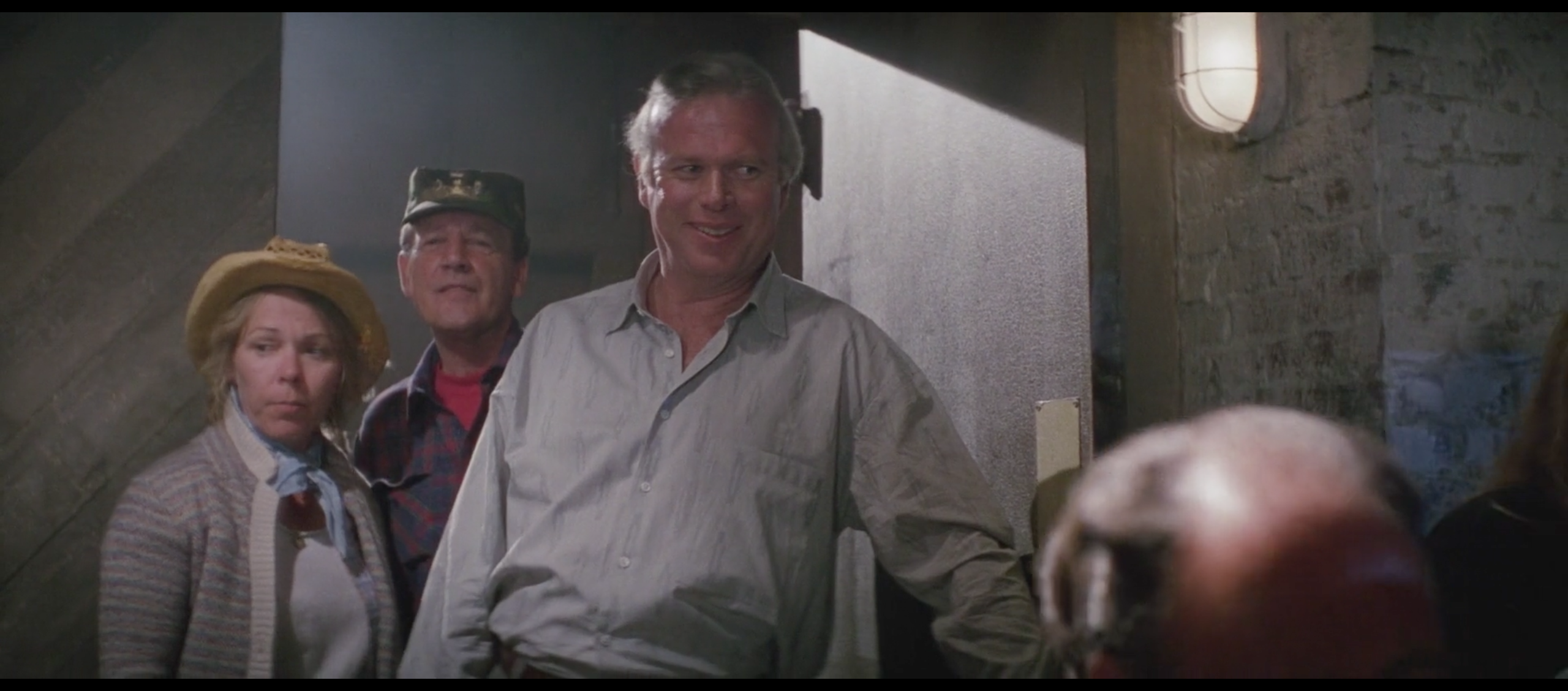
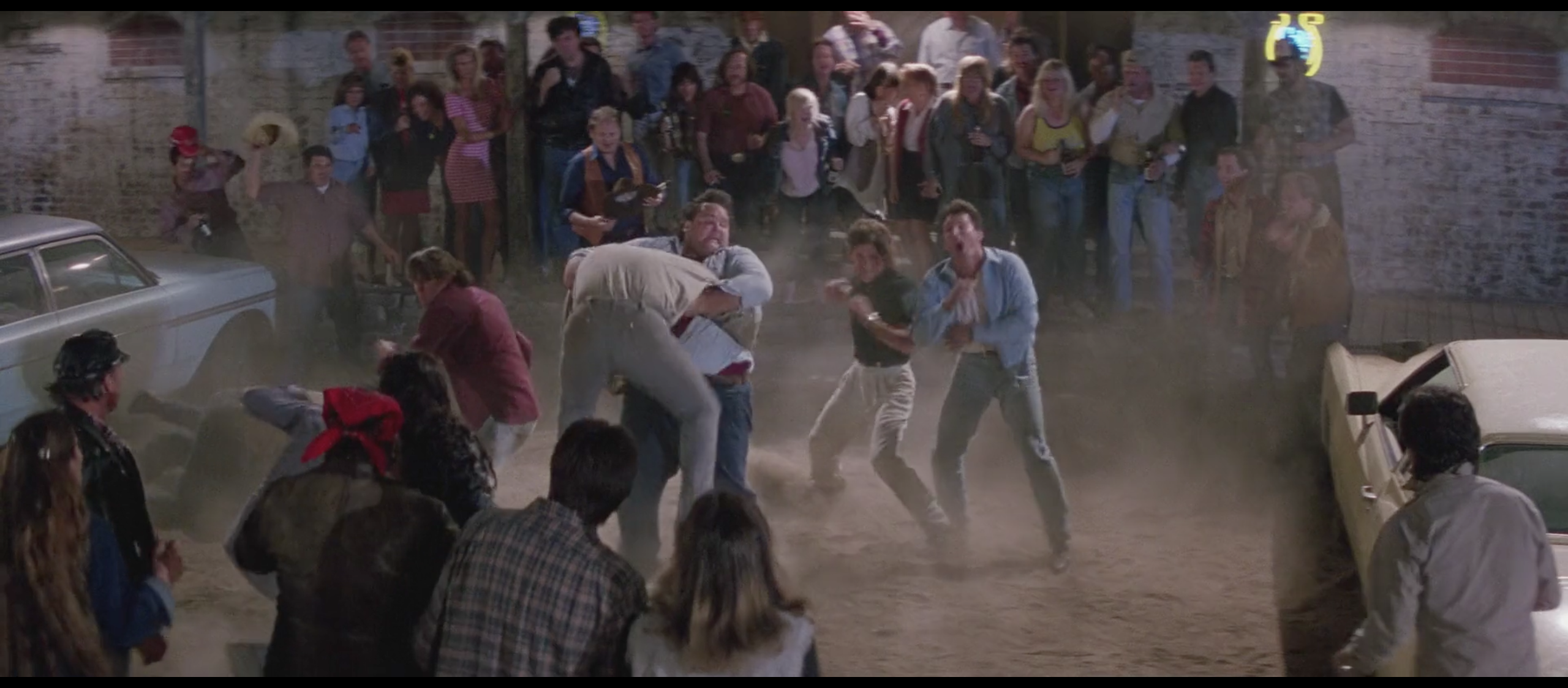
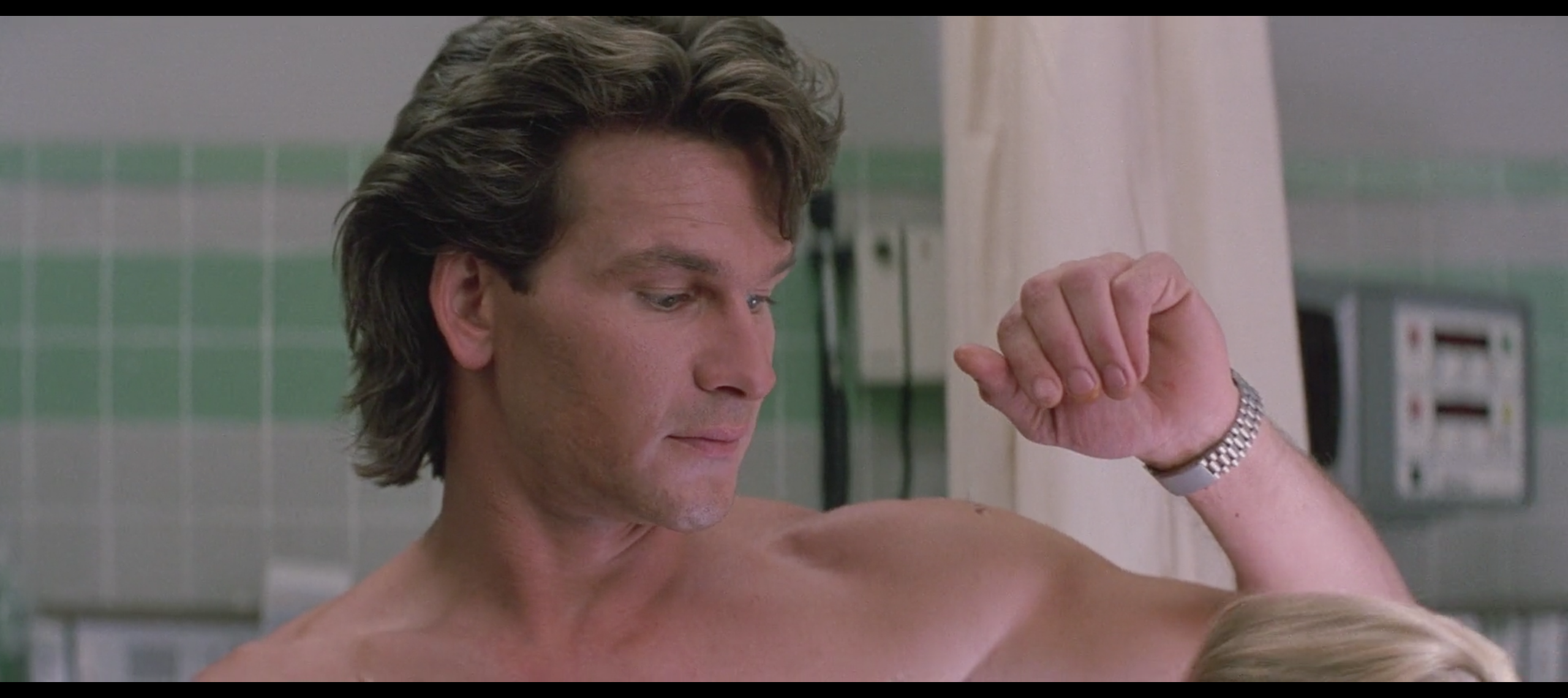
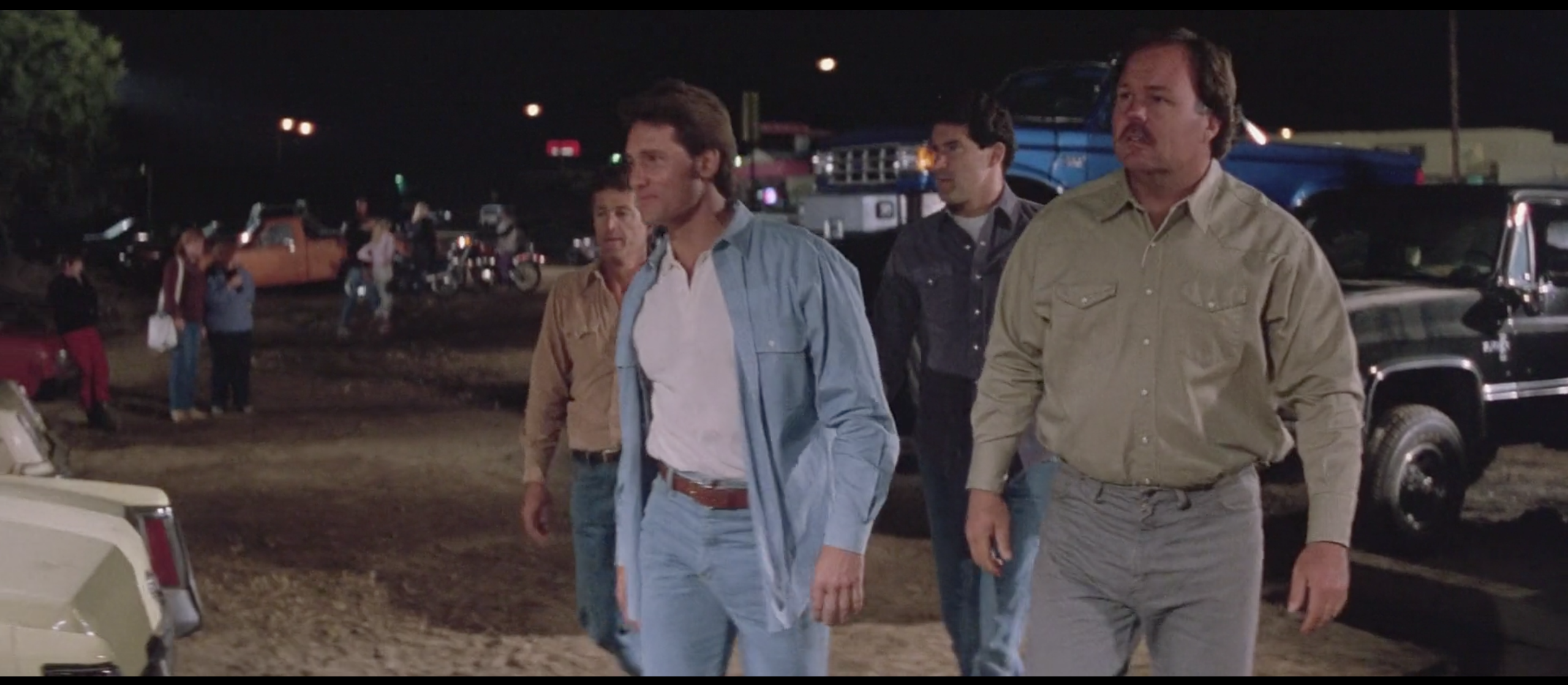
“ARE YOU KIDDING?” All caps. No question about it. Actually: “ARE YOU KIDDING?!?” Emphasis in the original. Phonetically, “URYEW KHIHDDINGH?!?”, the first two words slurred into one, the third fired out of a shotgun. An incredulous gasp and a barbaric yawp. The voice of the world’s happiest man, at the very moment he becomes the world’s happiest man, and realizes he’s become the world’s happiest man, simultaneously. The instant when the Gawker crosses the threshold to become the Groper, a three-word doorway he creates and passes through, pulling it shut behind him. A sound effect that accompanies a fantastical contortion of the facial muscles responsible for grinning, taxed to their limit. The noise of a large head on a large neck, jutting forward, physically penetrating the barrier between the potential and the actual. The cry of sweepstakes winners, of hidden-camera prank-show targets, of people who’ve been told this one’s on the house. When you both can’t believe it and you gotta believe! A sound like none heard before or since. An uncommon expression of a familiar sentiment. A singular verbalization of a universal sensation. A sleeveless shirt of a sentence. A microphone held to beer-moistened bluejeans. A line reading greater than any other in a film full of the best line readings in the action-movie canon. The calling card. The fanmaker. The callback generator. The line most likely to be repeated by the inebriated audience. The equal and opposite reaction to “Pain don’t hurt.” A record-player needle dropped into the Venn diagram overlap of drunk, dumb, and horny. A death-row pardon for a man sentenced to never whack it again. The end of “A Day in the Life” but with belches. “Yakety Sax” with a Tristan Chord. Cleavage synesthesia. Happiness is a warm pair a’ attitudes. All you need is twenty dollars and a wet dream. Actor Michael Wise as Gawker in the film Road House, responding to the news that he can kiss the marvelous breasts of a total stranger, provided he pays her husband twenty bucks for the privilege. Perfection.

044. The offer

Part Three of “The Agreement,” a special Valentine’s Week series

When you write an essay about Road House every day for a month and a half and counting, you learn some wonderful things. As mentioned earlier, Sharing Husband is played by one Christopher Collins (no relation). What I did not know until a reader kindly brought it to my attention is that Mr. Collins was also a voice actor under the name Chris Latta. Not just any voice actor, either. The same guffawing bumpkin who asks “Ever seen a better pair a’ attitudes?” is the voice (screech? wail?) of Starscream from Transformers and Cobra Commander from G.I. Joe, two of the most distinctively abrasive villains in the entire pantheon of early-to-mid-Eighties boy-oriented action-figure commercials in children’s-entertainment form.

Cobra Commander in particular was for me the sound of an entire school of childhood villainy, and a very popular school at that: the chickenshit heel who looked much cooler than he actually was. (Skeletor is the other go-to here.) Any time I had access to a Cobra Commander action figure I felt behooved to swing in the opposite direction and make him competent and fearsome—the lack of respect shown him by his own goons, much less the Joe Team, bothered me that much. Anyone with a mask collection that rad, I reasoned, deserved better. Yet such was Latta’s skill in voicing the character that I maintained the same timbre to the best of my ability even as I substantially changed his skill set. This was not a voice you could shake so easily.

To be sure, the voice Latta/Collins provides for Sharing Husband is less distinctive and more easily imitated than Starscream or Cobra Commander (or the even more eardrum-annihilating D’Compose from Inhumanoids, the …And Justice for All to the other villains’ Ride the Lightning and Master of Puppets). Latta also voiced some of the Simpsons characters during the cartoon’s first season; his Mr. Burns, an instantly recognizable voice that Harry Shearer was nonetheless able to recreate perfectly and play for the rest of the show’s 78-year run, is a creation closer to Sharing Husband’s mark. But learning that Collins was a voice actor by trade, rather than a stuntman as I’d assumed, made his marvelously cartoonish delivery of this scene’s central offer easier to contextualize.

“Tell you what,” he says to the Gawker as the man ogles Well-Endowed Wife and her pair a’ attitudes. “For twenty bucks…you can kiss ’em!”

The offer itself is a wonderfully dumb surprise, of course. It’s “Take my wife—please” with a pricetag. His subsequent repeated elaboration that this amounts to “ten a kiss” implies that either there’s a cheaper option on the table, like going to Subway and getting the six-inch instead of the foot-long, or perhaps that you save if you buy in bulk off the individual price of $15 per breast. The whole thing somehow manages to be both salacious and childish, like if the graffiti on the wall provided a number for neither a fuck nor a Buick, but the opportunity to “check out my weiner.”

But as you might expect from an actor with Collins’s bonafides, it’s all in the delivery. His eyes shine with twinkle straight out of Looney Tunes. A wolfish grin borrowed from Tex Avery spreads across his broad sweaty face. His eyebrows move with exaggerated Groucho Marx mischief. After being relatively deliberate with tell you what and for twenty bucks, he whips through you can kiss ’em in a pair of rapid up-and-down inflections, like if he says it fast and forcefully enough it can be fired directly into the brain of his mark, so he’ll think it was his own idea.

I make a lot of hay out of a lot of minor Road House moments, because they often communicate much more than intended. That isn’t the case here. This is a minor Road House moment that does exactly what the expert performer behind it set out to do, no more and no less. He wanted to seem funny, horny, eager, slightly stupid, and wholesomely sleazy. Unlike he perpetually failing Cobra Commander, he got what he wanted.

043. Good times with good friends

Part Two of “The Agreement,” a special Valentine’s Week series

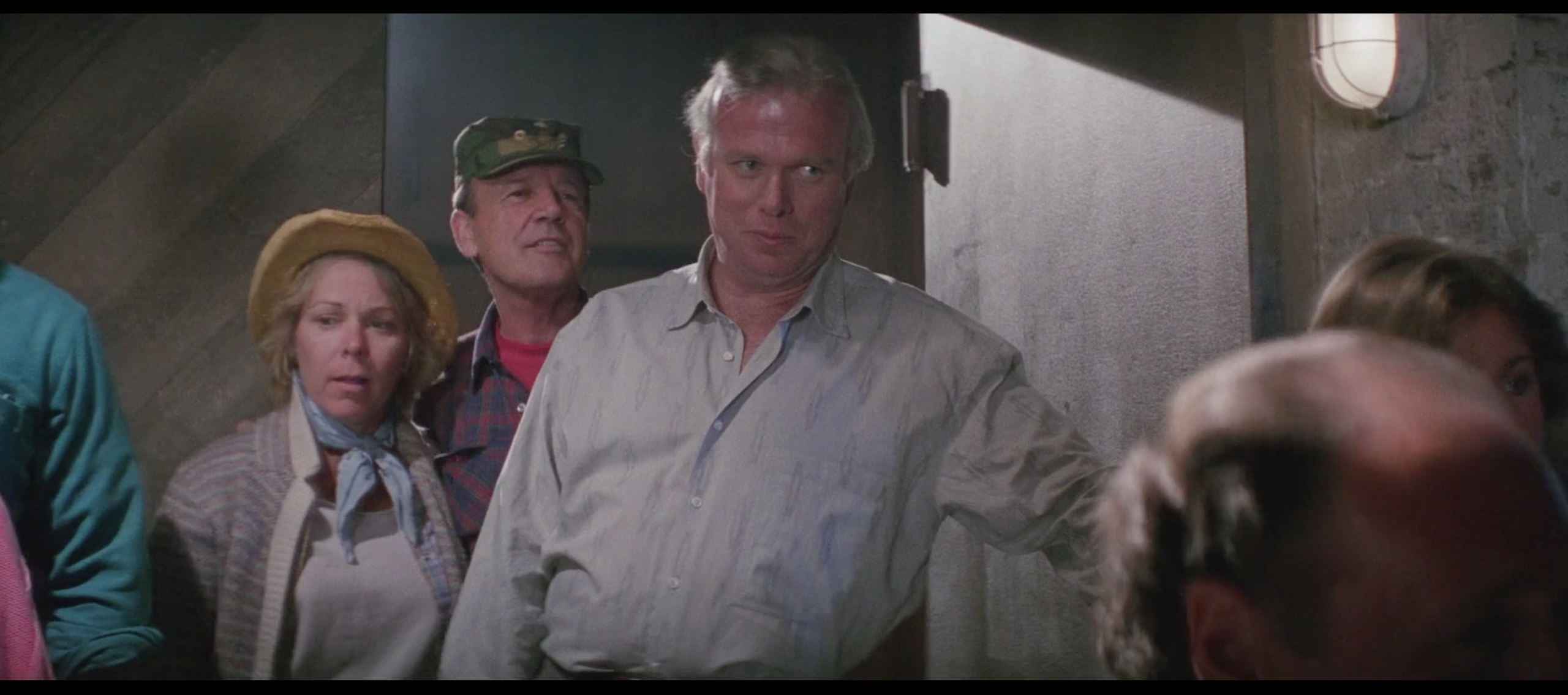
These two fellows are out for a night on the town, and their evening has brought them to the Double Deuce. There they can enjoy the musical stylings of the Jeff Healey Band, watch a shirtless man dance, interact with such luminaries as the Laughing Man and Mr. Clean, watch two brothers fight each other until they’re rolling on the ground near the pool table, potentially get beaten up by a bouncer with anger management issues, buy drugs from a waitress, throw beer bottles at a chickenwire fence, watch a bouncer pick up underage girls, buy a Buick—the world is truly their oyster. They’re sharing a drink they call Miller Genuine Draft, but it’s better than drinking alone.

And what a pair a’ attitudes they are! Our friend on the left, known to posterity as Gawker (actor Michael Wise), has the glee-squinted eyes and three-mile smile of a guy whose inebriation has enhanced his personal sense of good fortune tremendously. As well it might! He’s being inveigled to observe the excellent breasts of the Well-Endowed Wife by her Sharing Husband, an invitation he has gratefully accepted. “Fine, ain’t they?” Sharing Husband asks rhetorically; look at Gawker’s face and see if you can guess the answer.

His unnamed and uncredited pal is a delight as well. With bright eyes and bushy brows that both a) make him look like the wacky horny best friend in any number of ’80s sex comedies and ’90s Skinemax flicks, and b) appear as if they got spooked by Gawker’s smile and migrated to the next face over to avoid the space crunch, he plays a similar role in relation to his gawking friend that SH plays to WEW. He is there to beam approval, to offer encouragement, to generally egg things on. He too is clearly tickled pink by Well-Endowed Wife’s namesakes, but his gaze is reserved as much for Gawker as it is for her. He wants to see his friend seeing the thing they’re both seeing.

This is more common in Road House than you might think. In this film, it is often not enough to experience events on one’s own. An audience is required to confirm that the thing that has happened really has happened. It makes sense given the subject matter. When you’re a famous cooler hired to clean up an absolute cesspool of a nightclub, it won’t do to bust a few heads anonymously. The word needs to get out, to both the nice people and the ne’er-do-wells, that things have changed. By the same token the bad guys need their fellow goons’ laughter and howls of approval to make them feel their actions are justified, and they need not just their direct victims but everyone else to see what happens when they are defied. By the back end of the film Brad Welsey’s terroristic attacks on businesses who resist his protection racket take place for virtually no other purpose.

Gawker and friend aren’t keeping each other in a fashion anywhere near that brutal. But as we asked yesterday regarding Well-Endowed Wife and Sharing Husband, would the events that are about to unfold have taken place if Gawker had gone to the Double Deuce solo that night? Or is the presence of a friend, to exchange knowing glances and exclamations of pleasure, to verify and reify the spectacle, required to fully enjoy that spectacle? And is that not unlike the act of watching Road House itself?

042. Attitudes

Part One of “The Agreement,” a special Valentine’s Week series

“Ever seen a better pair a’ attitudes?”

Even for a film that has already introduced us to “dirtball” and “moose-lips” (though “chicken-dick” is still a ways away), Road House still enters uncharted linguistic territory with the euphemism the person on the left of the above photo uses for the breasts of the person on the right. This is of course the right, perhaps even the calling, of screenwriters David Lee Henry and Hilary Henkin. If your goal is to make an audience that is quite possibly already inured to chuckleheaded idiocy sit up and take notice when a large, sweat-soaked gentleman, whose first line of dialogue is the kind of guffaw you’d write out as “HAW HAW HAW HAW HAW!” like he’s Pete from the old Mickey Mouse cartoons, proudly displays the body of his special lady for particularly besotted onlooker…I mean, admittedly the bulk of the work has already been done for you. Still, in a language with more slang terms for tits than tits themselves, “attitudes” doesn’t hurt.

Our new friends, billed in the credits as Sharing Husband (Christopher Collins, no relation) and Well-Endowed Wife (Cheryl Baker) may have hit on something more than skin deep with this coinage, however. One look in the eyes of Well-Endowed Wife will tell you that her attitude is, indeed, half the fun of engaging with her in a bit of shitface-drunk barroom repartee. It’s in the way she smiles, twirls her hair, angles her body toward the audience, and on and on. As we’ve said before, arousal is lovely, desire is lovely, and by that standard Well-Endowed Wife is lovely. It don’t mean a thing if it ain’t got that swing, and to borrow the words of a great man, Well-Endowed Wife is swingin’ on the front porch, swingin’ on the lawn, swingin’ where she wants cuz there’s nobody home.

But the use of “pair” is unintentionally revealing. (That’s the last time you’ll hear that phrase used to describe this scene.) The joy on Sharing Husband’s face and in his voice as he proudly draws attention to Well-Endowed Wife’s unabashed sexual self-confidence is unreconstructed and pure and palpable. (Not as palpable as some other things in this scene, but still.) Without his Wife’s endowments, Sharing Husband would have nothing to share. She’s the reason he is who he is, in a sense so literal it scrolls up the screen in black and white at the end of the movie.

And now we come to the heart of the matter. Would either of them look like this, act like this, feel like this without the other across that table? For while her happiness clearly fuels his, we may conclude from their conduct, and from the words chosen to describe the situation, that the reverse is also true. Just as Sharing Husband requires the endowments of his Wife to thrive, Well-Endowed Wife relies on her husband to share those endowments to maximal erotic effect. To give the complexities of cuckoldry, polyamory, and swinging as thorough an examination as they deserve would distract us from walking the Dalton Path. But while there are certainly varieties of each in which the presence of both partners is not necessary to achieve the desired sexual frisson, that does not appear to be the dynamic in play here. They exist in tandem, and it is in tandem that they must be observed. They take that sawdust-strew stage together.

Sadly, they are given reason to reconsider the particulars of their arrangement by scene’s end, in this respect and many others. For now, though? The whole is greater than the sum of Sharing Husband and Well-Endowed Wife. They are pandrogyne, the two-in-one. Ever seen a better pair a’ attitudes? Can’t say that I have, sir. Can’t say that I have.

041. Breaking a table with a human face

If you want a picture of the Double Deuce, imagine a table broken by a human face — for ever. I’ve been thinking about the way Dalton grabs the Hawaiian Shirt Knife Nerd who was willing to defend his girlfriend’s right to dance on a table literally to the death by the back of his head and smashes his face down into a second table so hard and so fast that the wood splinters cleanly in half a lot lately. It’s a terrifically intuitive and forceful bit of fight choreography, that certainly helps. It conveys Dalton’s efficiency of movement and his power at short range, key to making him seem like a physical threat when half the characters in the movie say “I thought you’d be bigger” to him at one point or another.

Crisp editing by Frank J. Urioste and John F. Link (Die Hard, RoboCop, Predator, Commando, Total Recall, Basic Instinct, Tombstone) sells the move, but not alone. As an actor, Patrick Swayze takes a heretofore unprecedented turn for the savage in this moment, scowling with fury we’d previously seen no trace of at all. As time passes we’ll see more and more of this look from him. (To the extent Dalton has a character arc it’s largely one long descent that begins at a moment we’ll discuss in detail later in this series and ends with five murders.) Dalton traffics primarily in a blend of the Western and Eastern forms of coolness; he’s gunslinger tough and martial-artsist enlightened. The audience needs to see what happens when he gets heated up, and how little normal men can do to stop him when it happens.

When does it happen? This is important as well. The scene that precedes the table incident is none other than the Giving of the Rules, in which Dalton lays out his credo for successful bouncing and cooling. “Never underestimate your opponent/expect the unexpected”? Check. Dalton chose to act in such a way that this guy was done before he even realized the fight had started. No surprises coming from that corner. “Take it outside/Never start anything inside the bar unless it’s absolutely necessary”? Okay, sure, we’ll allow it. This bizarre little man drew a knife and threatened to murder a bouncer simply because he’d been asked to ask his girlfriend to stop climbing on the furniture. Sounds absolutely necessary to me. (And the Third Rule? Perhaps you know it already, perhaps you don’t. We will not be discussing it just yet. We will not discuss it…until it’s time to not not discuss it. Let’s just say that grabbing a human being by his hair and forcing his skull through a table sturdy enough to dance on speaks volumes on the Third Rule’s contents.)

What happens immediately afterwards? Everyone in the bar gazes and gasps in awe. People nearly move in slow motion, they’re so stunned by his prowess. Even the woman whose boyfriend has just been given some kind of concussion gingerly takes Dalton’s hand to be led down off the dancing table, and looks back over her shoulder at him on her way out of the bar. This is a man worth turning into a pillar of salt for. “The name…is Dalton,” Cody announces from the stage (through the chickenwire), after being filled in by his sighted bassist as to the nature of the hubbub—like a talk-show host announcing a guest, or the lead singer introducing the band. People in the Road House Universe absolutely adore people who break tables with other people’s faces.

Finally, there’s the savagery of the act itself. Powerful agent to the uninitiated. WA-BAM! He broke a table with a guy’s face! Didn’t even give him a chance! If you’re a first-timer and you reach this moment, any fears you may have had as to whether the first big barfight was the last time you’d see anything that gratuitously, moronically violent, this lays your fears to rest. You ain’t seen nothing yet.

040. The Second Rule

“This is the new Double Deuce,” says Frank Tilghman. We are at the start of an all-hands staff meeting, and Tilghman is pointing to the concept art for the bar’s redesign. But standing nearby is his latest hire, Dalton. It is through Dalton, with Dalton, in Dalton that the new Double Deuce will be achieved. Dalton embodies the new Double Deuce. He is its future.

When Dalton takes over as cooler he becomes more than just the chief bouncer. His role is not to handle a series of discrete incidents, but to institute sweeping reforms that will eliminate such incidents forever. “It’s going to change,” he states—not a threat, not a promise, a fact. His bouncers, too, must change for this to take place. As below, so above.

Bouncing on the Dalton Path is a matter of following “three simple rules.”

This is the second.

2. Take it outside. Never start anything inside the bar unless it’s absolutely necessary.

A bouncer less wise than Dalton would think Rule 2 begins and ends right here. How much more could there possibly be to this purely practical commandment? Your job is to maintain a convivial atmosphere for the patrons of your establishment by keeping the bad element at bay. You can’t do this if you’re beating the shit out of a guy on the dance floor. Ergo, you either force or lure your opponent out of the bar—your ultimate goal at any rate—before engaging in fisticuffs. What else is there?

What else indeed. As you can no doubt imagine, many, many violent incidents occur at the Double Deuce between this speech and the end of the movie. Dalton and his men take it outside a grand total of once during that time. Dalton in fact grabs a guy by the back of the head and smashes his face through a table this very night. What conclusion can we draw from this?

What we have here is another “If you think this sentence is confusing, then change one pig” situation.

Let’s start with the assumption that Dalton, as evidenced by his own actions, must intend this rule to have some larger meaning beyond its (eminently sensible) practical application regarding the bouncer’s ideal field of battle. I would suggest that we look to the Third Rule for the key to unlock this mystery. A thorough examination of that rule must wait for another day, but for now suffice it to say “It’s nothing personal” is a central component.

Could it be the case that in commanding the staff of the Double Deuce to “take it outside” when the moment of truth arrives, what Dalton really means is to step outside themselves? Those who follow the Dalton Path must see themselves as parts of a greater whole. They are but tools in the hands of the Cooler; does the hammer hate the nail? They are the immune system of the bar-organism; does the white blood cell hate the infection in the wound? The bouncer is the agent of Gemeinschaft. Proper function necessitates depersonalization so that the wider view may come into focus.

Now let us go further. What is it to “start something inside the bar”? We have already learned that many of the forces that threaten the Double Deuce are not conflicts that arise organically between patrons, but deliberate infiltration and provocation directed by an outside agent: Brad Wesley. Wesley himself is merely a symptom of larger societal crises: capitalism generally, the tyranny of the small business owner specifically, toxic masculinity, and even, as we will see when we enter his Trophy Room, ecological destruction.

Moreover, let us not allow “conflicts that arise organically between patrons” to pass by unremarked upon. Dalton identifies the Double Deuce’s problematic clientele as “Forty-year-old adolescents, felons, power drinkers, and trustees of modern chemistry.” Cultural neoteny, the carceral state, alcoholism and addiction, and the role of business and government in fomenting all of the above: One need not absolve the meathead or the Knife Nerd of personal responsibility to correctly argue that they themselves are often victims of forces far beyond their control.

Now let us return to the Second Rule. “Never start anything inside the bar unless it’s absolutely necessary,” says the man who will break a piece of the bar’s furniture in half with another human being’s face just a few short hours later. Who is he really addressing here, and what is he saying to them? Is he simply telling the bouncers (and waitstaff and bartenders and band members and the unknown entity in the brown jacket) to avoid throwing hands inside these four walls? Or is he employing paradox to demonstrate that nothing ever truly starts inside the bar—that while the Dalton Path offers a safe route through the bar for all who choose to walk it, it is a road without beginning or end?

 For our struggle is not against flesh and blood, but against the rulers, against the authorities, against the powers of this dark world and against the spiritual forces of evil in the heavenly realms. (Ephesians 6:12)

039. Biker Gang

The very first people to give Dalton shit upon his arrival in Jasper aren’t Brad Wesley and his goons. They aren’t the corrupt members of the Double Deuce’s staff. They aren’t even Knife Nerds or other random ne’er-do-wells among the club’s clientele. They’re a biker gang, in the Double Deuce’s parking lot. “Mer-SAY-dees!” they whoop it up as Dalton parks his luxury work of German engineering in the unpaved unloading zone for the town’s worst element, glaring at him all the while. “Hey hotshot! What’s wrong with Dee-troit cars?” Dalton simply stares back at them and their bikes and their very cool ’80s bad-guy car, tosses away his cigarette, and goes about his business. You and I are left with more to ponder.

At first blush it’s just a bit of color, a way to convey that the Double Deuce is a rough and tumble environment before you so much as step through the doors, in the same way that watching Morgan the evil bouncer toss a guy through those doors a few seconds later (“Don’t come back, peckerhead!”) lets you know what you’re in for once you set foot inside. What makes it a uniquely Road House bit of color how none of it has the slightest relevance at any point in the future, and how no element of it is ever heard from again.

Are biker gangs a threat Dalton will face in his quest to clean up the Double Deuce, and eventually the entire town of Jasper? No. Not even a little bit, in fact. The problems all stem from Brad Wesley, the Fotomat King, and his merry band of assholes. This is Road House, not The Road Warrior. Though Dalton and Brad Wesley could well be the Mad Max and Lord Humungus of the post-guzzoline Missouri wastelands should it come to that, this is merely informed speculation.

Is there a slobs vs. snobs angle to the movie? Again, no. For one thing Dalton always stows away his fancy car and uses a ringer instead once he starts working, so he doesn’t even bring the Mercedes back to the Double Deuce, or anywhere else for that matter, until the end of the film. He doesn’t ostentatiously spend his money, or wow the local yokels with his citified ways, or even crow about his NYU philosophy degree to woo Dr. Elizabeth Clay. What’s wrong with Dee-troit cars? Nothing, as far as he’s concerned. (This is a question better directed at Brad Wesley.)

Maybe these guys play a role in the ensuing all-hands-on-deck barfight, the movie’s first? Once again, no. The instigators and all the primary combatants are just the usual drunken shitbirds and meatheads. While it is true that one of the bikers miraculously appears inside as the Shirtless Man about twenty seconds later, this is down to Road House‘s charmingly free-form approach to continuity, rather than the idea that this guy somehow raced around to a back entrance, bared his chest, and started boogying down in the time it took Dalton to cross the parking lot and enter from the front. The Shirtless Man, at any rate, is a dancer, not a fighter.

But in their own pointless way, the bikers illustrate the importance of Dalton’s First Rule: “Never underestimate your opponent. Expect the unexpected.” Your enemies could look like anyone, come from anywhere, and attack at any time, even if their offense consists solely of “Buy American” jingoism. A cooler of Dalton’s experience and skill would have devised a plan for combatting these creeps within seconds, and likely kept it filed away throughout the course of the film, in case Brad Wesley ever hired them to run his clunker off the road, or prevent him from accessing one of Jasper’s many auto and auto-parts dealerships—or, less facetiously, bring the fight to grizzled old road dog Wade Garrett before he so much as parks his motorcycle. Indeed, one could argue that Dalton’s purchase of a beat-up car to replace his Mercedes was his way of defeating these opponents by depriving them of their casus belli. Victory is his before battle is joined.


038. The Laughing Man

The men who look at Dalton are not the only Road House characters who model behavior for their audience. Nor are the women. To understand this movie, one must understand the Laughing Man.

An anomalously odd, almost Lynchian presence in a film that’s otherwise much more straight-down-the-middle in its abject stupidity, the Laughing Man is an avatar for the audience in that the events of the film transmogrify him from observer to participant.

A member of the rogues gallery that greets Dalton upon his arrival at the Double Deuce, he is at first content to simply watch the opening barfight unfold, giggling and guffawing and going slightly crosseyed like a cartoon woodpecker all the while. As a matter of fact, he is at second content to do so, and at third, and presumably ad infinitum. In an another world, perhaps one in which Wes Bradley successfully wooed the first Dillard’s to Casper, Wyoming, this hyena-man is still standing by the bar, laughing like a Joker henchman at everything that has since unfolded. The fool on the hill sees the goons going down.

But that is not the world we inhabit.

In this world, the ageless waitress who appears to have started working at the Double Deuce after quitting her job at Norma Jennings’s Double R lobs a bottle through the air, intending to hit some other asshole but clocking this harmless nimrod right between the eyes instead. He goes down with the kind of exaggerated overselling you see from pro-wrestling mid-carders, or from anthropomorphic animals around whose heads birds chirp in a saturnine orbit after someone hits them with a rolling pin.

The waitress looks upon her works and despairs. But should we? No! The Laughing Man is concussed so that we might continue. He shows us that no matter how much we might wish to laugh at this movie, it will draw us in until we have no choice but to laugh with it, or suffer for our refusal. You are in the Jasper of the mind now. Laugh and the world laughs with you!

037. Denise & Carrie Ann

I was a theater kid in high school, and yes, I am glad you were sitting down. As the president of the Drama Club, the only coed activity my all-boys Catholic high school had to offer, I usually had better things to do than nitpick blocking, from learning my own steps to realizing how unforgiving for teenage boys pleated dress pants can be. But I did have one pet peeve I remember to this day.

Pretty much every musical in the high-school repertoire has around three or four major characters who—whether because they’re too old, too young, don’t sing, don’t dance, aren’t residents of the town/actors in the company/members of the Conrad Birdie fanclub, or any number of other factors—don’t take part in the big dance numbers, or aren’t active in the events of a particular show case scene. However, they are often at least present at those times, typically clustered in little groups around the perimeter. What would always bug me was when two characters who’d never spoken to each other before in the show, and for whom because of narrative economy it would be a big deal for them to speak to each other, like worthy of a song and dance of their own, wound up standing next to each other, stage-whispering about Professor Harold Hill’s latest chicanery or whatever.

I think about that when I watch Denise, Brad Wesley’s kept woman, and Carrie Ann, the Double Deuce’s coolest employee, team up during the first big fight. They cower together to shelter from the action. They root and heckle and holler as a unit. They wrap protective arms around one another when the going gets tough. Denise cheers Carrie Ann on when she starts slugging one of the participants. She actually hands her a bottle to use as a weapon!

Do these characters have anything in common? Do they have any mutual friends? Do they ever speak to each other…I was gonna say again, but really the phrase I’m looking for is at all? Do they even come within five feet of one another? If you’ve read thirty-six essays about Road House and counting you’re no doubt familiar enough with the film’s approach to continuity to answer those questions. But there’s a gigantic fight scene going on, and they’ve gotta stand somewhere, and the director is probably too busy telling gigantic men which tables to fall through, so a few perfunctory “stand over there”s are all they got, and they improvised. If it helps, imagine they’re the juniors playing Mayor Shinn and Mrs. Paroo, silently emoting together while forgetting to cheat toward the audience during “Shipoopi.”

036. Bleeder

I want to tell you a story of a man and his bleeder.

The man is Brad Wesley—sportsman, outdoorsman, liquor distributor, civic leader, JC Penney franchisee. The bleeder is O’Connor, the goon upon whom Brad Welsey’s disfavor falls, to his great misfortune.

The scene in which Wesley beats O’Connor, ostensibly for failing to defeat his newfound enemy Dalton and restore his nephew Pat McGurn to his position as bartender at the Double Deuce but for the stated reason that O’Connor bleeds too much (?????????), is a fanmaker. It’s up there with the first deck-clearing barfight, the realization that Dalton visits four separate salesmen of cars and/or car parts, the Giving of the Rules, Doc’s Dress from an Italian Restaurant, “pain don’t hurt,” you name it. It’s even more of a fanmaker if you are, as you should be when you watch Road House, fucked up. It whipsaws back and forth from one emotion to its diametric opposite so fast and so often that it makes you feel fucked up whether you are or not. Only the lag time in comprehension caused by chemical intoxication comes close to replicating the Bleeder Scene’s otherwise inimitable psychological Gravitron.

We’re going to take it frame by frame.

The goons roll up to Brad Wesley’s mansion. Among them are Pat McGurn, Tinker, and O’Connor, the three men defeated by Dalton and his bouncers at the Double Deuce the previous night. Ketchum and Karpis, who are never referred to by name in the film, arrive separately in the monster truck.

Wesley and his right-hand man Jimmy exit his mansion to greet their visitors. Wesley is holding a half-smoked cigar. Jimmy puts on his shades. Wesley sighs with exasperation. Wordlessly and shamefacedly, Pat skulks past them into the mansion himself.

Wesley smiles sardonically.

[Tone: disapproving irony]

WESLEY: Did I explain it wrong? Is that it?

O’CONNOR: No boss, you didn’t.

[Tone: pity for Pat, with a hint of condescension]

WESLEY: Pat’s got a weak constitution. You boys know that. That’s why he’s working as a bartender.

[Tone: righteous familial fealty]

He’s my only sister’s son. And if he doesn’t have me, who’s he got?

[Tone: just the facts about the job]

And If I’m not there, you’re there.

Wesley affectionately grabs Jimmy by the back of the neck.

[Tone: mixed admiration for his favorite son and regret for his own lack of perspicacity]

Shoulda let you go, Jimmy.

Wesley begins circling the assembled goons.

[Tone: Disappointed schoolmarm]

Well, one of you boys owes me an apology. Now I’ll leave it up to you to decide which one of you wants to say “I’m sorry.”

TINKER (contritely removing trucker hat): ’m sorry, boss.

O’CONNOR: I’m sorry, boss.

[Tone: forgiving father figure]

WESLEY: I believe you, Tinker.

[Tone: mounting suspicion]

But you, O’Connor, somehow I don’t believe you.

[Tone: assistant manager who really doesn’t want to have to report this to corporate]

Now you better try it again, because if there’s one thing I can’t stand, it’s a man who’s untruthful.

O’CONNOR: I’m sorry, boss.

[Tone: fast-burning anger]

WESLEY: And if there’s one thing that disgusts me, it’s a man who can’t admit when he’s wrong.

O’CONNOR: I swear to God, boss, I’m sorry.

[Tone: pure hate]

WESLEY: You disgust me, O’Connor. You wanna know why you disgust me?

O’CONNOR: No, why, boss?

Wesley punches O’Connor in the face, causing his nose to bleed. O’Connor feels the blood and looks at his boss, confused.

[Tone: cheerful scientific observation]

WESLEY: ’Cuz you’re a bleeder. You bleed too much.

[Tone: the kind of contempt that ends with kneeing someone in the balls]

You are a messy bleeder.

Wesley knees O’Connor in the balls. O’Connor doubles over.

[Tone: pure disappointment]

You’re weak.

[Tone: prepping for a Quod Erat Demonstrandum]

You got no endurance for pain.

On “pain,”  Wesley slams his fist down onto the back of O’Connor’s head, knocking him to the ground.

Wesley looks at the other goons, who are all smiling happily at the unfolding events, with “what did I tell you” grin that rapidly fades. He pats the crumpled O’Connor on the back.

[Tone: stern but ultimately kind tough-love football coach]

Now come on. Get up.

[Tone: ER doctor on a double shift talking to a drunk patient who cut his forehead after walking into a lamppost]

Yeah you’ll be fine. Come on.

O’Connor tries to stand and falls even flatter. Wesley looks around at his goons.

[Tone: “Do I have to do everything around here?”–style fed-up fury]

Well help him up!

Ketchum and Jimmy lift the dazed O’Connor to his feet.

[Tone: enough with the pity party]

You’re gonna be fine.

Wesley smiles benevolently. He puts his hand on O’Connor’s shoulder.

[Tone: “I’m not just your boss. I consider us a family.”]

And you know why? Because I like you.

O’Connor smiles, glad to be forgiven. Wesley socks O’Connor right in the jaw, knocking him out cold. Wesley addresses his goons as he turns to go back inside.

[Tone: scraping cat turds off his shoe]

Get this piece of shit coward outta here.

The Bleeder Speech contains every feeling possible to express in its idiom. It is the White Album of ‘80s action-movie bad guy speeches. Brad Wesley is the Fab Four (and Eric Clapton on “While My Guitar Gently Weeps”), and the Bleeder is his muse—the Beach Boys, Bob Dylan, John Lennon’s mom, Paul McCartney’s dog, Yoko Ono, Karlheinz Stockhausen, Ringo Starr quitting and fleeing to a boat in Sardinia for a few weeks, and the Maharishi Mahesh Yogi all rolled into one, wrapped in a short-sleeved dress shirt, and beaten up in a driveway with a monster truck parked in it.

035. Shithead

I don’t think I’m spoiling anything for you when I say things do not go well for O’Connor, as a rule. The Brad Wesley goon most likely to be mistaken for a once-promising Celtics prospect who suffered a career-ending injury and now owns a chain of Honda dealerships throughout the Greater Boston area, O’Connor gets his ass definitively kicked by Dalton and his fellow bouncers within minutes of our meeting him. He gets it kicked again by Brad Wesley, basically for the crime of getting it kicked in the first place, though the proximate cause is his pronounced tendency to bleed from ass-kickings, a condition Wesley is not helping. He gets it kicked again by Dalton and Wade Garrett later in the movie, gets it kicked right into the trash, I’m not even kidding, he ends up in a dumpster. And in the end Dalton murders him off-screen. Thus always to bleeders.

But this towering yahoo sure makes an impression when he first shows up on screen thanks to four simple words: “Hey, shut up, shithead.”

Does he say this to Frank Tilghman, who’s office he’s crashed in order to force him to re-hire Wesley’s sister-son Pat McGurn? Does he say it to Dalton, who shows up and tries to put a stop to it all? Does he even say it to Pat himself, a guy who needs his Rich Uncle Pennybags to make people be nice to him? No. He says it to Tinker, the sweatiest goon, cutting off Tinker’s attempt to engage in biting repartee with Dalton.

PAT: You don’t get it, do you?

DALTON: Why don’t you explain it to me.

TINKER: I’ll explain it to you—

O’CONNOR: Hey, shut up, shithead.

Mere transcription doesn’t do O’Connor’s delivery justice, though. For one thing, it necessitates the use of commas, which are not audible in actor Michael Rider’s Juilliard-educated bass voice at all. The whole thing comes out in a single exhalation, heyshutupshithead, like one self-contained sound of rebuke is all Tinker merits. O’Connor looks and sounds bored with even having to go through that much effort before he so much as finishes the sentence.

“Utter contempt” is too generous to describe what’s going on here. The fact that O’Connor sounds like White Barry White makes it all the more brutal, more hilariously unnecessarily mean. This is the verbal equivalent of missing the trash with the thrown remnants of a half-eaten egg salad sandwich and just leaving it there as you walk away. It’s the voice of God doing Pusha T’s “EEYUGGH” ad lib, at you. Never before or since have two nouns combined to elicit a prescribed response more effectively.


034. Thru the Eyes of Tilghman

It goes ill with the Double Deuce. Frank Tilghman colorfully describes it to Dalton upon their first meeting as “the kind of place where they sweep up the eyeballs after closing,” and other than the lack of actual traumatic globe avulsions nothing we witness when we arrive contradicts this. It’s a hellhole. The bartender is a nepotism hire who robs the joint blind. The band gets pelted with bottles when they take five in order to urinate. The chief bouncer starts fights. Another bouncer fucks teenage girls in the supply closet. A waitress sells coke in the bathroom (presumably interfering with those customers who wish to snort coke in the bathroom, as is custom in classier establishments). Bottles, glassware, and furniture get smashed as regularly and thoroughly as the customers do. The owner is forced to waste precious man-hours bowdlerizing graffiti.

This much we know—now, anyway. But during the opening sequence, prior to our first visit to the Double Deuce, prior even to Tilghman’s description of the place to Dalton, we don’t know any of this unless we have watched the entire film before. That opening sequence, which depicts Frank Tilghman’s journey through the capacity crowd at the massively popular Bandstand where Dalton works at the time, is one of the reasons Road House rewards repeat viewings: Only people who’ve already witnessed the nightmare that is the pre-Dalton Double Deuce can understand what the hell Tilghman is doing.

In short order, Frank Tilghman marvels at…

  • a handrail
  • a bartender pouring shots
  • a cash register ringing up a sale
  • a waitress carrying a tray of drinks
  • a man lighting a cigarette for an attractively dressed woman
  • a credit-card transaction
  • a man leaving a large cash tip
  • a bar band

Remember, and this is key: Frank Tilghman owns a bar.

If you think I’m kidding about Tilghman “marveling at” these things, watch actor Kevin Tighe’s eyeline as he looks at each of these things in turn, whether within frame or via match cuts to the actions and objects in question. Then look at his face afterwards. He’s impressed. Thoroughly so. He takes it all in so intently that he reads like a villain casing the joint. Granted, he reads like that all the time, but as we’ve established, nothing that happens during the opening happens by accident.

You wanna know how bad things have gotten at the Double Deuce? Frank Tilghman, who owns a bar, looks at the basic components of literally any bar on earth like the apes look at the monolith in 2001. Forget the eyeballs on the floor. Just follow the eyeballs in Tilghman’s head.


033. Dead man

When Dalton fires Morgan, the irascible bouncer played by pro wrestling legend Terry Funk, from the Double Deuce because he doesn’t have “the right temperament for the trade,” Morgan reacts as if determined to prove this was the right decision. “You asshole,” he growls. “What am I supposed to do?” “There’s always barber college,” Dalton deadpans in reply. The rest of the staff laugh at Morgan then, openly and for what I’d imagine is the first time. Dalton has defanged him.

Pointing his finger in Dalton’s face, Morgan delivers his farewell prediction: “You’re a dead man.” He nearly smacks his severance check out of Tilghman’s hand as he grabs it, then storms away.

Road House fans—Roadies—enjoy this interaction a great deal. It’s at least partially obvious why: How often do you get to see Patrick Swayze (Dirty Dancing) and Terry Funk (Halloween Havoc ‘89) tread the boards together? But it’s Funk’s innovative line readings that make this a standout scene.

He previews the direction he’s headed when he calls Dalton an asshole, which he pronounces “asshole,” emphasis very much on the second syllable and, one assumes, that particular aspect of the anatomy. Two nouns combined to elicit a prescribed response, right? For Morgan—and he’s not the only person in the film to pronounce the word in this way—”hole” is the lead noun, not “ass.” In his eyes, Dalton is less the cheeks than the evacuating void between.

Still, this might have escaped notice were it not for the coup de grace: not “You’re a dead man,” as every other person in the history of the English language has pronounced it, but “You’re a dead man.” Here, the rationale is a bit harder to parse. Surely no matter what spin you put on this, dead is the most important, and insulting, aspect of the phrase, right? Dalton already knows he’s a man. Dead is the newsworthy part. And in making himself the bearer of this bad news, Morgan is issuing a threat. (This is all obvious, I know, but we’re being methodical.)

So why emphasize “man”? Not to praise Dalton, that’s for sure, despite the rubric established by asshole. He’s putting man front and center in the Shakespearean, “What a piece of work is” way. If we think of Dalton as a man, a human, we imagine all that entails: his infancy, childhood, adolescence, young adulthood; his need to breathe, eat, drink, sleep, excrete; his social and biological drives to form community and find a mate; his hopes and fears and lusts; his prodigious skill and significant renown as a bouncer-philosopher; his future in all its possibility and inevitability. One pissed-off ex-coworker later and this could all be gone, a man reduced to meat and thence to nothing at all. In his own dimwitted way, from a brain that processes only rage and schadenfreude, Morgan is driving home what Dalton stands to lose, and what he plans to take away.

“The Punisher” thoughts, Season Two, Episode Thirteen: “The Whirlwind”

When was the last time you walked away from a season of a Marvel/Netflix show with basically no complaints? The final bullets of The Punisher Season 2 have flown and I’m just freaking delighted to report that pretty much all of them hit the bullseye. Other than that one episode spent playing for time early in the season, this was…great, just great, just a terrific interpretation of the character of Frank Castle and how to tell stories with him. It avoided all of the usual pitfalls of the Marvel Cinematic Universe’s TV end, like doubling up on villains but then not knowing how to balance them, or reaching an obvious endpoint about three-fifths of the way to the finale and then concocting some absurd plot contrivance to keep the story moving. It played to the general strengths of superhero stories, using violence and action to convey outsized emotion and treating the fallout as a metaphor for psychosexual vulnerability. The specifics of the violence and action were brutal, as befits the character. The politics were, in the main, sharp and counterintuitive given the Punisher’s often reactionary fanbase. Every major actor in it was good. Some (Amber Rose Revah, Annette O’Toole, Josh Stewart, Ben Barnes, and especially guest star Deborah Ann Woll) were fascinating. And one, Jon Bernthal, was an all-timer.

I reviewed the season finale of The Punisher Season 2 for Decider.

032. Sh-Boom

Originally recorded by doo-wop group the Chords, who charted with it in 1954, “Sh-Boom” became part of the pop-culture firmament largely because of a cover version by the Crew Cuts that was also a hit later that year. Both versions are the kind of gleeful pure-dee nonsense that make doo-wop such a fun genre to pronounce, let alone listen to. While Chords’ rendition has a jaunty swing to it, the Crew Cuts’ whitebread revamp emphasizes the gliding, carefree, “life could be a dream” side of the song. It sounds like a Sunday drive.

Of course, most people content themselves with driving on the right side of the road, Sunday or any other day, whether they’re listening to “Sh-Boom” or “Yakety Yak” or “Symphony of Destruction” by Megadeth. This is not just because it’s the law, or because it’s much safer not to drive into oncoming traffic. It’s because staying in your lane allows you to chart a long straight course, and a long straight road is the most fun kind to drive. The Germans modeled a whole genre of music after it and everything.

When we see Brad Wesley driving his red convertible (a Ford, possibly ill-gotten from Strodenmire’s ill-fated Ford dealership) with the top down on a bright sunny day, the fact that he’s singing “Sh-Boom” fits. It’s that kind of song. Wesley is also swerving from one side of the road to the other and back, over and over, like a sine wave, like a snake. This, too, fits. He’s that kind of person. But the actual driving process deserves closer examination.

Until Dalton passes by headed in the other direction, nearly getting run off the road in the process, there isn’t another car in sight. Wesley has the road all to himself. He could comfortably cruise along, taking in the air and the scenery. He could floor it if he felt the need for speed. (“He’s go the sheriff and the whole police force in his pocket,” Red Webster tells Dalton later in the film; the line is likely intended to explain why crimefighting in Jasper is entirely the province of bouncers, but it explains a lot of other things too.) This is what normal people who enjoy a nice drive would do.

As anyone who’s whipped around an empty high-school parking lot could tell you, rocking the steering wheel back and forth like Wesley does creates a push-pull swerving sensation that’s much more enjoyable in theory than in practice. If you’re a 17 year old looking for a quick thrill when you’re all out of kratom or whatever, sure knock yourself out. But to drive that way over a significant distance is less fun than just driving straight, not more.

Ben Gazzara sells the nauseating joyride as well as you’d expect from an actor who, prior to Road House, created the role of Brick in Cat in a Hot Tin Roof by Tennessee Williams. And indeed we can take Wesley’s glee as entirely sincere, but not because he’s having fun driving in and of itself. He has gone out of his way to make his drive less physically enjoyable, because the thrill of being a gigantic asshole and recklessly endangering the lives of others more than compensates for the loss.

This is the kind of man Brad Wesley is. He can hey-nonny-ding-dong-alang-alang-alang his way back and forth across every inch of asphalt in Jasper and none can say him nay. That’s worth a crick in the neck.

“The Punisher” thoughts, Season Two, Episode Twelve: “Collision Course”

Take Officer Frank here, for instance.

PUNISHER 212 OFFICER CASTLE

Has the Blue Lives Matter Flag Punisher Skull found its human avatar at last? Hardly. Frank’s wearing a uniform he stole from a crooked cop who was going to kill him both for money and out of loyalty to a gangster relative. He’s pictured here sometime between resisting arrest and kidnapping a Republican senator whose industrialist parents are covering up the fact that he’s gay by murdering teenagers. I’m not sure this will stop the meatheads from misappropriating the image, but it will mark them as the morons they are, that’s for sure.

I reviewed the penultimate episode of The Punisher Season 2 for Decider.

“The Punisher” thoughts, Season Two, Episode Eleven: “The Abyss”

The Punisher Season 2 Episode 11 (“The Abyss”) is basically another one of those placeholder episodes. You’ve had a bunch of action, a bunch of violence, and now you’re gonna get an hour of filler before we hit the next stretch of rapids. But unlike the previous dreary episode the season has aired in that vein, this one has Karen Page going for it. Reuniting the Daredevilcostar with her other vigilante platonic-romance partner makes for must-see viewing.

Deborah Ann Woll is so goddamn good in this role at this point. She’s turned Karen into some kind of vulnerability vortex, sucking everyone within a ten foot radius into her maelstrom of pain, care, comfort, and psychosexual entanglement with men who get beat up all the time. Combine that with Jon Bernthal, who’s basically her male equivalent, and…just…man.

punisher 211 FRANK CRYING

Oh man.

punisher 211 KAREN LIP-BITING CRYFACE

Man oh man.

punisher 211 TOUCHING EACH OTHER

I reviewed the eleventh episode of The Punisher Season 2 for Decider.

“Kingdom” thoughts, Season One, Episode Six

With Kingdom, no one is tuning in tomorrow, same Chang-time, same Chang-channel. Gratification must be delayed until Season 2. And while the show is to be commended for steering the genre away from The Walking Dead‘s reactionary “us against them” politics in favor of a story where the real heroes are those who risk their own safety and comfort to defend the lives of the less fortunate, what are you really gonna get in the second go-round besides a mashup of your favorite genre franchises but with very nice robes. In the end, that’s Kingdom for you. Decent politics and lovely wide shots aside, it never delivers more than the minimum it needs to.

I reviewed the season finale of Kingdom for Decider.

031. The First Rule

“This is the new Double Deuce,” says Frank Tilghman. We are at the start of an all-hands staff meeting, and Tilghman is pointing to the concept art for the bar’s redesign. But standing nearby is his latest hire, Dalton. It is through Dalton, with Dalton, in Dalton that the new Double Deuce will be achieved. Dalton embodies the new Double Deuce. He is its future.

When Dalton takes over as cooler he becomes more than just the chief bouncer. His role is not to handle a series of discrete incidents, but to institute sweeping reforms that will eliminate such incidents forever. “It’s going to change,” he states—not a threat, not a promise, a fact. His bouncers, too, must change for this to take place. As below, so above.

Bouncing on the Dalton Path is a matter of following “three simple rules.”

This is the first.

1. Never underestimate your opponent. Expect the unexpected.

To the uninitiated, Rule One sounds like it ought to be Rules One and Two. The first part dictates that one cannot take victory for granted no matter the look of the foe, wisdom borne out time and time again throughout the film. Old men prove to be exceptionally capable fighters. Heavy men move at speeds men half their size can’t match. And as the Knife Nerds amply demonstrate, even the most rat-faced and weaselly goons can carry death in their denim. You underestimate these men at your peril. Assume anyone you face in open combat, even the bleeders and the sister-sons, can and will kill you if given the chance.

Expecting the unexpected is a different matter, or so it seems at first glance. Sometimes that means anticipating that a would-be assassin has a boot-mounted knife, or that a business dispute will be settled with a monster truck, certainly. But the unexpected could also be advantageous, could it not?

Not for the purposes of Rule One, no. The combination of these two diktats is not arbitrary. By wedding the latter to the former, Dalton suggests that the unexpected always breaks in favor of your opponent: a bootblade stabbing at a human face, for ever. The bouncer must accept this.

But the inverse is also true. If never underestimating your opponent necessarily and coterminously entails expecting the unexpected, it follows that a rational assessment of your allies deems them perfectly reliable. You don’t need to wonder whether your fellow bouncers can help you. You can bank on it. They will never disadvantage you in unexpected ways like your enemies might. Your comrades will be there and be true. You can expect it. “Watch my back and each others’,” Dalton says near the conclusion of the Giving of the Rules. But with the First Rule, he’s said it already.

It’s a bit of an “If you think this sentence is confusing, change one pig” situation, isn’t it: For bouncers to be perfected, they must follow Dalton’s three simple rules, the first of which takes their preexisting perfection for granted. But simply by turning the First Rule around in their minds the bouncers of the Double Deuce are that much further along the Dalton Path. They begin thinking every enemy with the wary respect you show a large animal or an operating piece of heavy machinery. They envision scenarios that will surprise and shock them, and thus begin to take those surprises and shocks in stride. In so doing they become people who are unsurprising, consistent, dependable, stalwart—each man a hidden blade in the boot that is the bouncer corps, expertly wielded by the cooler’s outstretched leg, working in concert against all the goons that were or are or will be.

030. “My only sister’s son”

“I name Éomer my sister-son to be my heir.”—Théoden, The Lord of the Rings

“He’s my only sister’s son, and if he doesn’t have me, who’s he got?”—Brad Wesley, Road House

Not even I, a person with the White Tree of Gondor tattooed on my arm who is writing an essay about Road House every day for a year, can come up with much of a connection between the King of Rohan and the Chief Job Creator of Jasper, Missouri beyond the antiquated syntax with which they refer to their nephews, Éomer son of Éomund and Pat McGurn respectively. Wesley isn’t about to name his mustachioed kinsman his successor anytime soon, certainly. “Pat’s got a weak constitution, you boys know that,” he tells his assembled henchmen after two of their number, Tinker and O’Connor, failed to forcibly reinstate Pat in his old gig at the Double Deuce during one of the Knife Nerd incidents. “That’s why he’s working as a bartender.” Poor Pat, not even fit for full-time goonmanship.

Pat isn’t even present to hear this condescension, having slunk shamefacedly into Uncle Brad’s mansion at the first opportunity, allowing his comrades-in-goon to take the heat. Why should he bother sticking around? He knows his place, and it’s not at his uncle’s side. It’s Jimmy, Wesley’s strong right hand and, in my considered opinion, secret bastard son who’s the heir apparent. “I should have let you go, Jimmy,” Wesley says regarding the failed mission, an avuncular (fatherly?) hand on the back of the younger man’s neck. Better for Pat to spare himself the sight.

So no, Wesley’s rhetorical style here doesn’t remind me of Théoden King. Rather, I’m put in mind of another great man.

Jack Lipnick is the head of Capitol Pictures, the studio that hires a certain New York playwright to give a Wallace Beery wrestling picture That Barton Fink Feeling. Like Brad Wesley, he came up the hard way (“I mean, I’m from New York myself. Well, Minsk, if you wanna go all the way back—which we won’t, if you don’t mind, and I ain’t asking”) and rose to prominence and power by exerting control over the local economy, largely by screwing other business owners out of their share (regarding his assistant Lou Breeze: “Used to have shares in the company. Ownership interest. Got bought out in the Twenties. Muscled out, according to some. Hell, according to me”).

The tone Lipnick adopts when speaking about producer Ben Geisler, whom he fires instead of Barton when the latter screws up, sounds familiar. “That man had a heart as big as the all outdoors, and you fucked him!” he says, voice soaring as if with the eagles as he describes the generosity of spirit found in a guy he shitcanned, then cracking like a whip as he drops the f-bomb on the person truly at fault, at least in his eyes.

Though he prefers physical assault to firings, Brad Wesley reacts in similar fashion over his sister-son’s plight, arbitrarily beating his goon O’Connor unconscious for, alternately, being untruthful, unable to admit he was wrong, weak, unable to tolerate pain, cowardly and above all prone to bleeding. O’Connor’s failure regarding Pat may have occasioned the beating, but it isn’t even mentioned during the beating itself as one of Wesley’s half-dozen reasons for inflicting it.

For men like Wesley and Lipnick, people are worth caring about only to the extent that doing so, or pretending to do so, enables them to torment others on their nominal behalf. These men, like their words, are overinflated and empty. The overwrought sentiment intended to conceal the lie reveals it instead.