You don’t hear whistling in Westeros very often. The warring kings, the scheming viziers, the occasional incursion by angry dragons or ice zombies — there’s just not a whole lot to feel cheerful about in the Seven Kingdoms. It’s hard to whistle while you work when the work is a Hobbesian war of all against all, unless you’re being a real Joffrey about it.
But in “A Knight of the Seven Kingdoms,” the new HBO show set in the same world as “Game of Thrones” and “House of the Dragon,” there’s whistling on the soundtrack. Lots of it, in fact. Jaunty, carefree whistling, atop a bed of folksy acoustic guitar. The work that composer Dan Romer does here is a world removed from the dramatic, swirling score provided by Ramin Djawadi for this show’s predecessors. Only once does the music hint at that familiar, rousing theme song … and it is immediately cut off by a shot of the show’s hero violently moving his bowels.
In other words, you can literally hear that this is a different kind of show than the previous Westerosi epics. (The episodes are near-sitcom shortness, too.) “A Knight of the Seven Kingdoms” is adapted from the author George R.R. Martin’s novella “The Hedge Knight,” a far more compact and straightforward story of bravery and villainy than his epic “A Song of Ice and Fire” series of novels. Ira Parker, who created the series with Martin and oversees it as showrunner, is not telling a story that determines the fate of nations or the future of humanity in this fantasy world. (Not so far, anyway.) No wonder the music sounds less like “The Lord of the Rings” and more like “Harold and Maude.”
Maggots feasting on a living man’s arm. A bone poking through a bloody wound before getting forcibly shoved back into place. A man smiling happily as his distended stomach is drained of liter after liter of fluid. A syringe drawing blood from a fully visible and erect penis.
Normally, you’d have to turn to the work of purveyors of the extreme such as Clive Barker, Takashi Miike or Lars von Trier to see such sights. This week, they’re on America’s favorite weekly medical drama. Who says Hollywood is risk-averse?
What impresses me most about this episode is the amount of pathos Walton Goggins is able to generate under an inch of prosthetic makeup and with a digitally erased nose. The moment the Ghoul sits down at that bar, it’s like he’s a different person than the one we knew — ruminative, disappointed in himself, just plain sad about it all. Of course we learn later he’s wrestling with handing Lucy over to her insane father, which he reveals was the whole reason he stuck with her all this time: She wasn’t his friend or his ally, she was his bargaining chip.
But her presence in his life is changing him, as surely as she’d never have killed someone before meeting him in turn. It may not seem like much, but being kind to that dog and feeling any kind of way at all about Lucy are huge steps for the subhuman piece of shit we met last season. Especially as the flashbacks draw us closer to…well, whatever happened with him and Barb and House and the bombs, who knows what kind of human being the Ghoul will turn out to be.
Industry is a freefall into the moral void, as thrilling as it is terrifying. It’s the only show that dares to depict our world today as it is: an elevator shaft without a bottom to hit. I’m so glad this miserable, wonderful show is back.
If you called Twin Peaks Season 2, Episode 1 one of the greatest season premieres of all time, you’d be telling the truth. You’d also be lying by omission.
I love Desmond’s debut down the Hatch at the start of Lost Season 2 (a show whose creators never made any bones about the debt they owed Twin Peaks). I love the knife’s-edge suspense between Walt, Jesse, Mike, and Gus at the beginning Breaking Bad Season 4. Shit, I love Sam drinking and whoring his way through getting left at the altar by Diane to kick off Cheers Season 3. But to compare these excellent episodes of television to these revolutionary 90 minutes is to damn what Mark Frost and David Lynch did here with faint praise. Those episodes have surprises, shocks, bittersweet laughs. This episode has the waiter, the Giant, Leland’s musical numbers, Audrey Horne’s prayer, Gersten Hayward’s recital, Major Briggs’s vision, Laura Palmer’s murder. They are not the same.
When people toss the word “Lynchian” around, it’s usually either as a very specific subgenre of surrealism, or as a way too broad synonym for “weird.” But the opening scene of this episode is a whole different flavor of Lynch, one every bit as important to his overall project. FBI Special Agent Dale Cooper, you’ll recall, was shot three times at point-blank range by a still-unidentified assailant to end Season 1. (We learn from the insufferable but brilliant Agent Rosenfield, back on the scene to bully everyone within the Twin Peaks city limits, that his would-be assassin was of average height, hardly narrowing it down.) When we rejoin Coop this episode, we can see that only one of the bullets penetrated his body, right where he’d lifted up the bulletproof vest he’d been wearing beneath his shirt while undercover at One-Eyed Jack’s. He was hunting for a pesky wood tick, you see; the bullet found the little bugger, and his torso, instead.
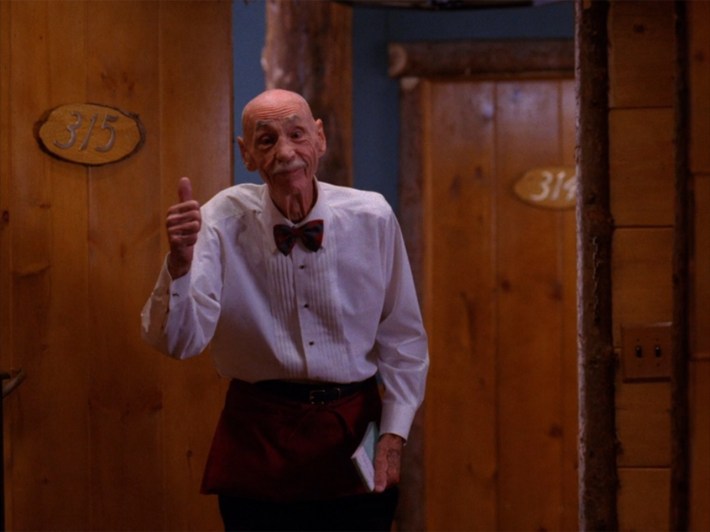
At great length, an elderly room service waiter (Hank Worden) slooooooooooooooooooooooooooooooooooooooooooooooooooowly delivers Cooper a glass of warm milk, hangs up the phone on a panicked Deputy Andy rather than call a doctor, and gives Coop — whose reputation apparently precedes him among the staff, if the waiter’s nearly giddy repetition of “I heard of you!” is any indication — several encouraging thumbs up and eye winks before shuffling away. The waiter also has him sign the room service bill. (Gratuities are included.)
Experiments in comedic tedium like this have been a Lynch hallmark since Eraserhead. I’d argue that on Twin Peaks in particular, as we’ll see later this episode with Leland Palmer, they’re a form of proto–cringe comedy, predating Steve Coogan and Armando Ianucci’s creation of Alan Partridge in 1991, Garry Shandling and Dennis Klein’s The Larry Sanders Show in 1992, and Mike Lazzo and Keith Croffod’s Space Ghost Coast-to-Coast (the most Peaksian of these early examples) in 1994. Scenes like these (fire) walk the fine line of boredom, discomfort, and silliness. It’s astonishing to think that in this case, they’ll lead to the absolute horror we see at episode’s end.
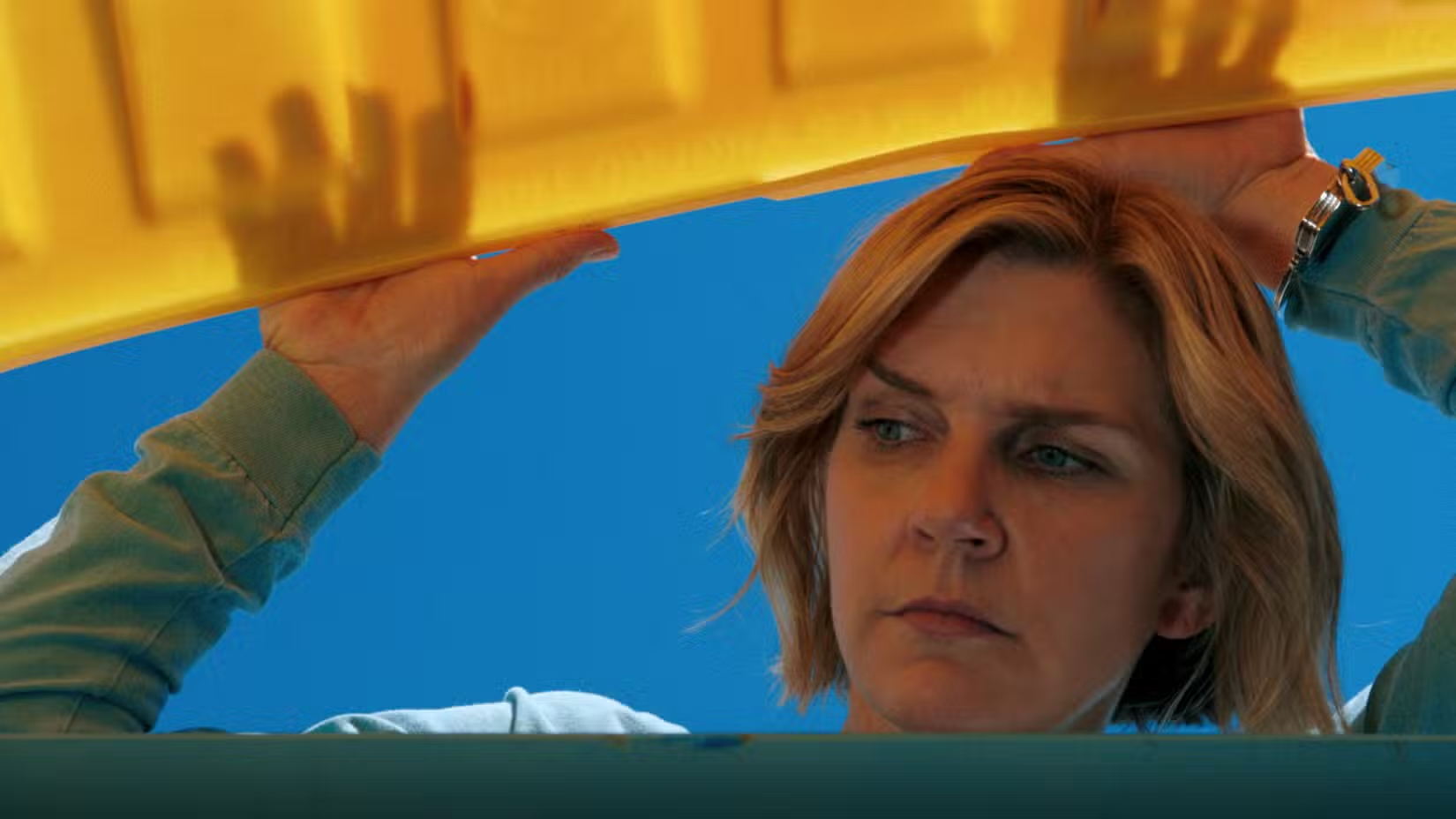
It’s all in a day’s work at the Pitt. (A long day: Like the show’s first outing, Season 2 will tell the story of 15 consecutive hours in the E.R., played out across 15 weekly episodes.) But “The Pitt” isn’t, or isn’t just, a workplace drama. Certainly the friendships and flirtations, the alliances and rivalries, the infuriating inconveniences and the “man, I love this job” moments will feel familiar to anyone who has worked hard with the same group of people in the same place, day in and day out.
But what Wyle, the creator R. Scott Gemmill and the director John Wells achieve here is more than a recreation the past glories of their stints on “ER,” which before the New Golden Age of TV ushered in by “The Sopranos” represented the cutting edge. More germane points of comparison for the world of “The Pitt” include the teeming city of King’s Landing in “Game of Thrones” and “House of the Dragon,” or the fully realized and lived-in sci-fi environments of “Andor.” “The Pitt” is an act of world-building first and foremost.
That starts with the show’s formal aspects: one contiguous set, filled with all different kinds of people, filmed by two hand-held cameras, set in what is meant to feel like real time. After even one episode in that crucible, you start to see it as a place you could hang out in and explore, even get lost in. “The Pitt” shares a sense of repleteness with the grand fantasy epics — the feeling that they’re teeming with life, which continues whether you’re watching or not.
As important to that parallel, though, are the staffers of the Pitt. They are heroes, drawn from all walks of life to serve their collective mission to save that lives. Neither addiction, nor immigration status nor autism spectrum disorders prevent them from doing their jobs. Indeed, their wide variety of life experiences are crucial to their ability to help as many people as possible.
The personal struggles of the medical staff, the intriguing — and often gory and disgusting — cases of the patients, the dazzling you-are-there production: These are the hooks that get you watching. But beneath it all is a message. Rock-star Robby may be the main attraction, but “The Pitt” is a full-throated celebration of expertise, competence, cooperation, science and diversity, at a time when those values are under widespread attack. In “The Pitt,” at least, those values are still alive and kicking.
It’s in relatively simple and straightforward episodes like these that we can see just how sturdy a structure Fallout is. It’s obviously full of monsters and moments torn from the video games to please fans of the franchise, but I haven’t so much as hit start on a single one of those things and I’ve had no trouble making sense or feeling the impact of anything on the show. Okay, so I had to look up the name of the big monster with horns, but if I hadn’t, “big monster with horns” gets the point across quite nicely. You don’t need to know a giant radioactive eggshell is an easter egg to appreciate a giant radioactive eggshell.
The insistence on practical sets and effects as often as possible is a huge boon to the show as well. It’s easy to imagine the Ghoul and Lucy’s faceoff with that monster in New Vegas as a Dave Filoni Star Wars show or a late-period MCU movie — two people standing on a volume stage with a bunch of CGI slop surrounding them. Instead, it looks like Ella Purnell and Walton Goggins faced a Balrog that somehow managed to extinguish itself (they can do that underwater, look it up) in a gigantic pile of rubble and abandoned pleasure palaces, which is basically what the set builders constructed.
Finally, the charms of Purnell and Goggins really can’t be oversold. The latter is so likeable as Coop and so vile, yet weirdly endearing, as the Ghoul. The former makes a drug-fueled rampage feel like the next logical outgrowth of Lucy’s cheery, can-do persona. In an opposite register, the tremulous performances of Aaron Moten and Michael Cristofer during Maximus and Quintus’s corresponding showdown go a long way to making you understand that these two people really do share a deep bond, no matter how loathsome you find Quintus personally.
The Hammerstein Ballroom is a beautiful place to watch wrestling. The ring is surrounded on three sides by multiple tiers of scalloped balconies, blue with gold trim, a prestige-TV color palette. From the vantage point of the TV viewer, the audience looms over the action in ornate concentric circles—Dante’s Inferno for people who like a good German suplex. Seated on one of the venue’s upper levels, every seat feels close enough to the action for you to fall into the ring if you lean forward far enough. In events dating back decades, the independent wrestling promotions ECW and Ring of Honor helped make the place a mecca for the sport.
My 14-year-old kid, H, has heard me give variations on this spiel for over a year now. (They’ve also heard me explain it’s owned by the Moonies; they’re big on religious cults.) Now, the Saturday before Christmas 2025, they could finally see for themselves. By the time we made it up to our second-balcony seats for “Dynamite on 34th Street,” All Elite Wrestling’s now-annual holiday stopover at the Manhattan Center, however, H was mostly just winded by taking the stairs. They’re the kind of kid who was born to complain about having to run in gym class; they’ve told me repeatedly they’re physically afraid of volleyballs. We have that in common.
That’s always been part of the appeal of pro wrestling for me, ever since I got into it as an adult seven or eight years ago. It’s a sport for all kinds of people, people who don’t like sports among them. It distills athletic competition down to pure spectacle, staging genuinely impressive and difficult feats of athleticism in such a way as to heighten drama and tell stories of the triumph of good over evil. If, like me, you were raised by Yankees fans, it’s nice to have a rooting interest you don’t have to feel vaguely guilty about.
After catching their breath, H settled happily into people-watching mood soon enough. While I’ve never missed a single AEW episode in its six years of existence, H isn’t a TV-wrestling fan. They love the live experience: the crowd, the characters, the lights, the pageantry, the inventive audience chants. You don’t hear repeated cries of “THIS IS AWESOME! THIS IS AWESOME!” when Shohei Ohtani hits his 12th home run of the game or whatever, but you’ll damn sure hear it if Kazuchika Okada hits someone with an especially well-timed dropkick.
H and I have been going to AEW shows since 2021, when the company set its then-attendance record at the beautiful, punishingly inaccessible Arthur Ashe Stadium. (The NYPD sent me to the ass end of nowhere to park; H saved us from wandering around lost at one in the morning by remembering we’d found a spot near a Crab du Jour restaurant.)
That pastime of ours had been on pause for over a year, however, since before AEW’s trip to the Hammerstein in December 2024. I wound up going to that show with a friend instead, because when your child is institutionalized with an eating disorder you’d never heard of before they were diagnosed, they don’t let you take them out on field trips to wrestling shows. I asked.
Last Christmas, my child was in a residential treatment facility for a little-known neurological eating disorder called ARFID, so we missed All Elite Wrestling’s Christmas show at the Hammerstein Ballroom. This year they’re healthy, so we went. I wrote about it all for Defector. Happy New Year, my wonderful readers and friends.
Man, Falloutis a killer show. I don’t know what else to say! When I press play on any given episode, I sit back secure in the knowledge that everything I see will be entertaining. Some of it will be funny in a nice way. Some of it will be funny in an extremely nasty way. There will be violence that makes you go “fuck yeah!” and violence that makes you go “oh fuck.” Practical effects and physical sets will prevail over CGI sludge. A bunch of actors you like — Macaulay Culkin! Jon Gries! Kumail Nanjiani! — will show up and do something rad or weird or awful or hilarious. Corporations and capitalism will be dragged in a way that would shock the non-existent conscience of Amazon overlord and Trump crony Jeff Bezos, our era’s answer to Robert House. (I know people will think Elon, but it’s always the quiet ones.) All on Amazon’s dime! Fallout has the giddy feeling of people getting away with something, and it’s infectious as fuck.
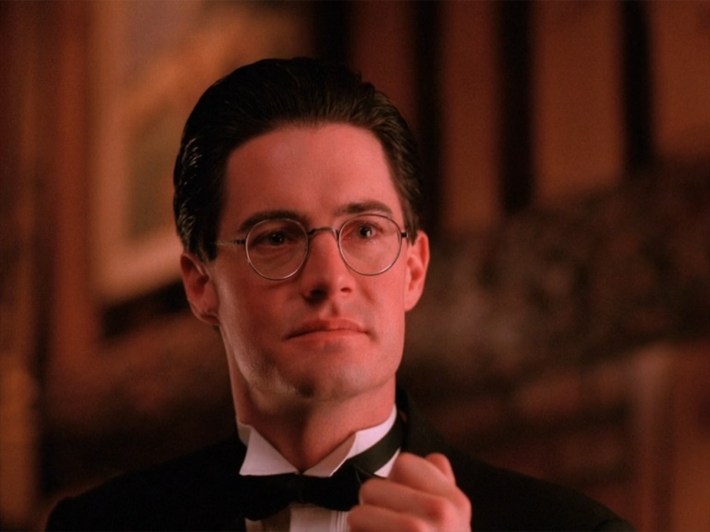
It’s Kyle MacLachlan’s finest moment to date as FBI Special Agent Dale Cooper, though you wouldn’t know he’s a Fed to look at him when it happens. He’s undercover as a high roller at One-Eyed Jack’s, the Canadian casino and brothel we (though not he) now know is owned by corrupt Twin Peaks business magnate Benjamin Horne. Wearing glasses and a tux, he’s fronting as the secret money man behind Leo Johnson’s cross-border cocaine smuggling operation.
Very quickly, he wins the trust of Leo’s partner in crime, bartender and blackjack dealer Jacques Renault. Convincing Jacques that Leo’s taking advantage of him, Cooper’s yuppie druglord offers Jacques ten thousand dollars cash to complete a job directly for him, “No Leo, no middleman.” Unsurprisingly given what we know of his work schedule, the French-Canadian dirtbag happily accepts the job.
There’s just one question Cooper has for Jacques before he sends him off on his errand, which of course is a trap designed to snare him within Sheriff Harry Truman’s jurisdiction in Twin Peaks itself. He’s already brandished the broken poker chip that matches the fragment found in Laura’s stomach. How did the chip get broken, that night with the girls, he wonders?
Cheerfully, with the relish of a schoolkid about to share his dad’s porn stash with a friend, Jacques explains that Laura liked to be tied up, which is what left her wide open when Waldo the bird was freed from his cage by Leo and landed on her shoulder. She and Waldo liked each other, and they were only “love pecks” according to Jacques, but with Leo “doing a number on her,” it was too much. She began to scream.
So Leo grabbed the chip, shoved it in her mouth, and said — Jacques delivers, chortling, in his thick accent — “Bite the bullet, baby. Bite the bullet!”
Throughout Jacques’s story, the view alternates between increasingly tight, subtly slow-motion closeups on Jacques’s grinning mouth as he talks, and Cooper’s rigid inexpressiveness as he listens. You can see, courtesy of MacLachlan’s best work on the show, that Cooper hates this man. He’s practically vibrating with it.
But he holds back all his loathing, all his disgust, and reacts as if he’s heard nothing out of the ordinary for men in their line of work. “Thanks for clearing that up,” he says in the end, with a snort of mirthless laughter. Coop’s pained non-reaction of a reaction reminds us this is not just a whodunit, but a tragedy. Jacques has given himself up as a suspect, but it won’t undo what was done.
My Prestige Prehistory series is taking a week off after this, but we’ll be back for Season 2 on January 12. That gum you like is going to come back in style!
They’re both right, and that’s true across the board on this show, nowhere more so than with the dueling outlooks of Lucy and the Ghoul. The gunslinger is kind of like a one-man Walking Dead, where he’s both the zombies and the human beings who’ve turned into ruthless, merciless killers to survive. On that show, there was only ever one correct answer when faced with the question of whether to help outsiders: Don’t, because they’re always dangerous, and the most important task for anyone is to protect yourself.
Lucy’s presence upsets all that. While the Ghoul is usually right not to trust outsiders, that doesn’t make Lucy’s belief in people’s fundamental goodness seem like a weakness. When he says “Empathy’s like mud, you lose your boots in that stuff,” we’re not supposed to believe that he — or Elon Musk, or any other real-world anti-empathy crusaders — have the right of it. Lucy’s optimism is presented as a strength even when it gets her into trouble; in Fallout’s view, it’s the world, not Lucy, that is wrong and must be made to change.
A-bombs aside, this episode, like its predecessor, made me appreciate the emotional and ethical complexity of Carol’s situation. Should it have been self-evident that Zosia was capable of lying to her by omission, and that the plurbs will never rest until they convert her? Yes. Could that have overcome all her human desire for love and companionship? Should it have done so? I’m not so sure.
Yet Manousos is capable of rejecting the embrace of the Joined. His personality and rigid adherence to the rules make him seem like a difficult person to love, on either the giving or receiving end. (Remember him calling his mom a bitch?) But presumably he desires human fellowship no less than does the similarly misanthropic Carol. He managed to stay true to the cause of the human individual against the encroaching hivemind. What’s her excuse?
It’s love, of course. In getting to know the collective through Zosia, she’s fallen in love with this…individual? Instance? She was selected to be optimally physically attractive to Carol, and she can cater to her with the knowledge and enthusiasm of every human being on the planet. She’s a walking lovebomb. Director Gordon Smith’s Jonathan Demme–esque straight-on closeup as Carol processes her feeling of betrayal upon learning that Zosia is still just one of them — as she realizes certain truths which should perhaps have been self-evident — is powerful because you can feel Zosia’s pull all the same.
Created by Rafe Lee Judkins; based on the books by Robert Jordan (Prime Video)
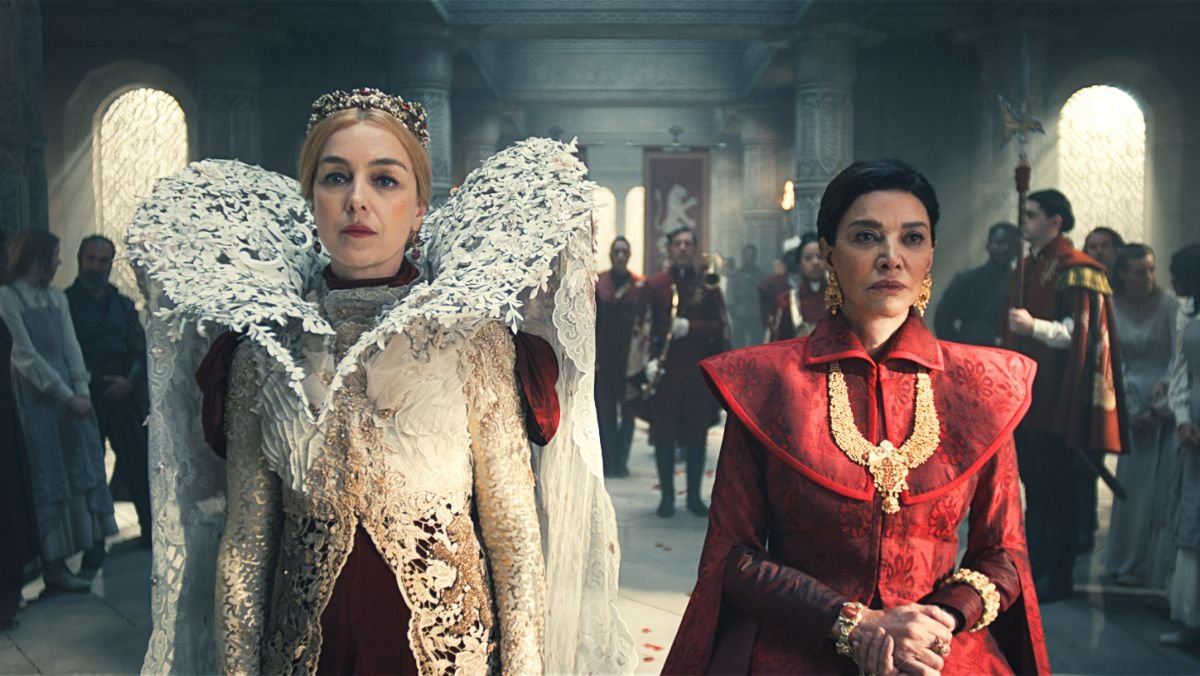
In assembling this list of the year’s best shows I decided not to hold the total number of entries to some arbitrary multiple of five. Any show where I’d say to a loved one “You know what you should watch?” makes the cut. Getting canceled immediately after this season makes The Wheel of Time a tougher series to recommend, which costs it some points through no fault of its own. It’s a shame, because Wheel, aka the High Fantasy That Fucks, had really come into its own. Its ornate, colorful design, high-camp dominatrix villains, increasingly impressive cast (we’re missing out on Shoreh Aghdashloo as a main antagonist!), prog-album-art visuals, and occasional rousing lesbian drinking song about how great the locals’ tits are all made it a show I eagerly anticipated; its pleasures are still worth sampling.
17. A Thousand Blows
Created by Steven Knight (Disney+/Hulu)
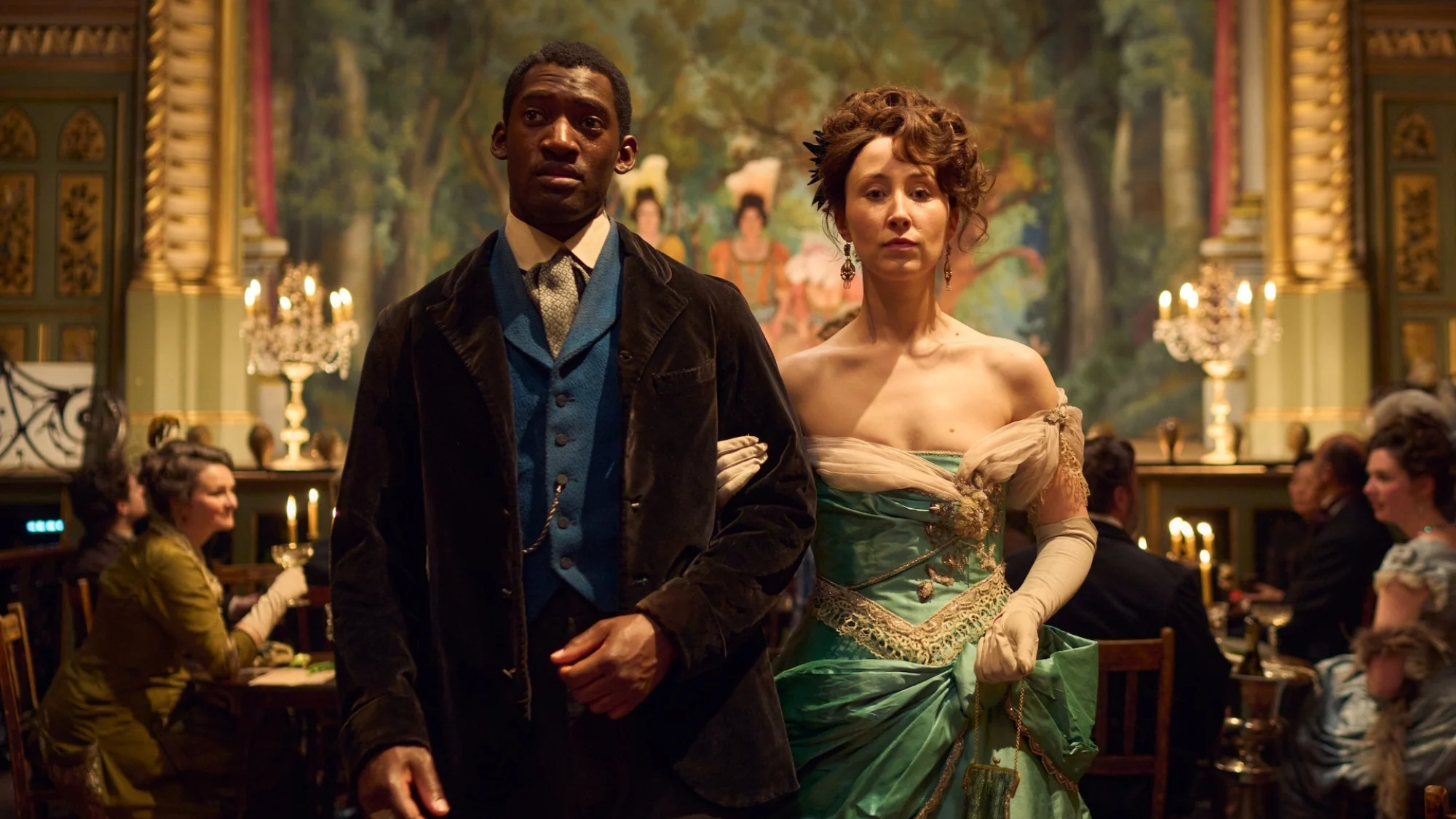
My primary memory of watching A Thousand Blows, just one entry in creator Steven Knight’s long list of period crime dramas, is being knocked flat on my back by Erin Doherty. As Mary Carr, leader of the all-women’s gang of thieves the Forty Elephants, she projects a raw need under the viciousness that’s frighteningly intense. (Anthony Boyle wowed similarly in Knight’s House of Guinness.) Stephen Graham and Malachi Kirby are deeply impressive, too, as the bareknuckle boxers whose paths intertwine with Mary’s. You want to see these people win, which is why it’s so compelling to see what they do when they lose.
16. Pluribus
Created by Vince Gilligan (Apple TV)
Particularly on television, where the genre has thrived ever since Lost landed on that island — and its roots can be traced even further back, to The X-Files and Twin Peaks and The Prisoner — the sci-fi mystery combines two genres that invite audience speculation to create a Frankenstein’s monster of theory-mongering. For a critic who prefers to write about what’s on screen now instead of what might end up on screen several episodes or seasons later, these shows are frustrating, particularly when all the speculating requires one to overlook holes in the here and now. But after creator Vince Gilligan shook off the broad comedy that tends to mark his shows’ early going and drilled into just how deranging being one of the Last People On Earth would be, the juice finally seemed worth the squeeze. The show is augmented immeasurably by its million-dollar visual, its bold use of composition and color, and the work of Rhea Seehorn, who can make a deliberately insufferable character easy to spend time with.
15. Last Samurai Standing
Created by Kento Yamaguchi and Michihito Fujii; based on the book by Shogo Imamura; Creative Director: Junichi Okada(Netflix)
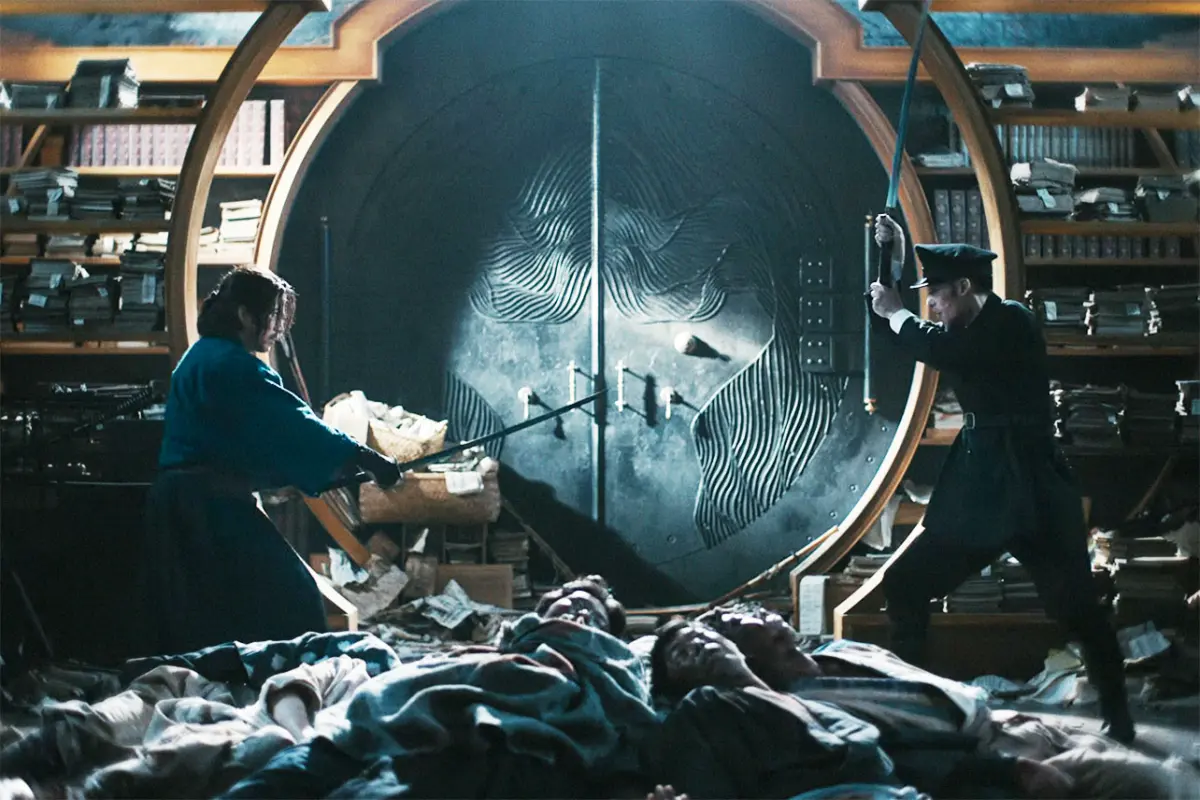
Are you a fan of Takashi Miike samurai films like 13 Assassins and Blade of the Immortal? How do you feel about end-of-the-Old-West stories like The Wild Bunch and Red Dead Redemption 2? What about the way Yuen Woo-Ping rewrote the rules of on-screen combat in The Matrix, Kill Bill, and Crouching Tiger, Hidden Dragon? If any of this sounds intriguing to you, let alone a combination of all three, make a point of seeking out this stellar samurai series. Choreographed by star Junichi Okada, every fight and battle is completely different from its predecessors, and somehow better. As a bonus, it’s the kind of rousing action-adventure story you can sell to the non-sickos in your family over the break.
14. The Pitt
Created by R. Scott Gemill (HBO Max)
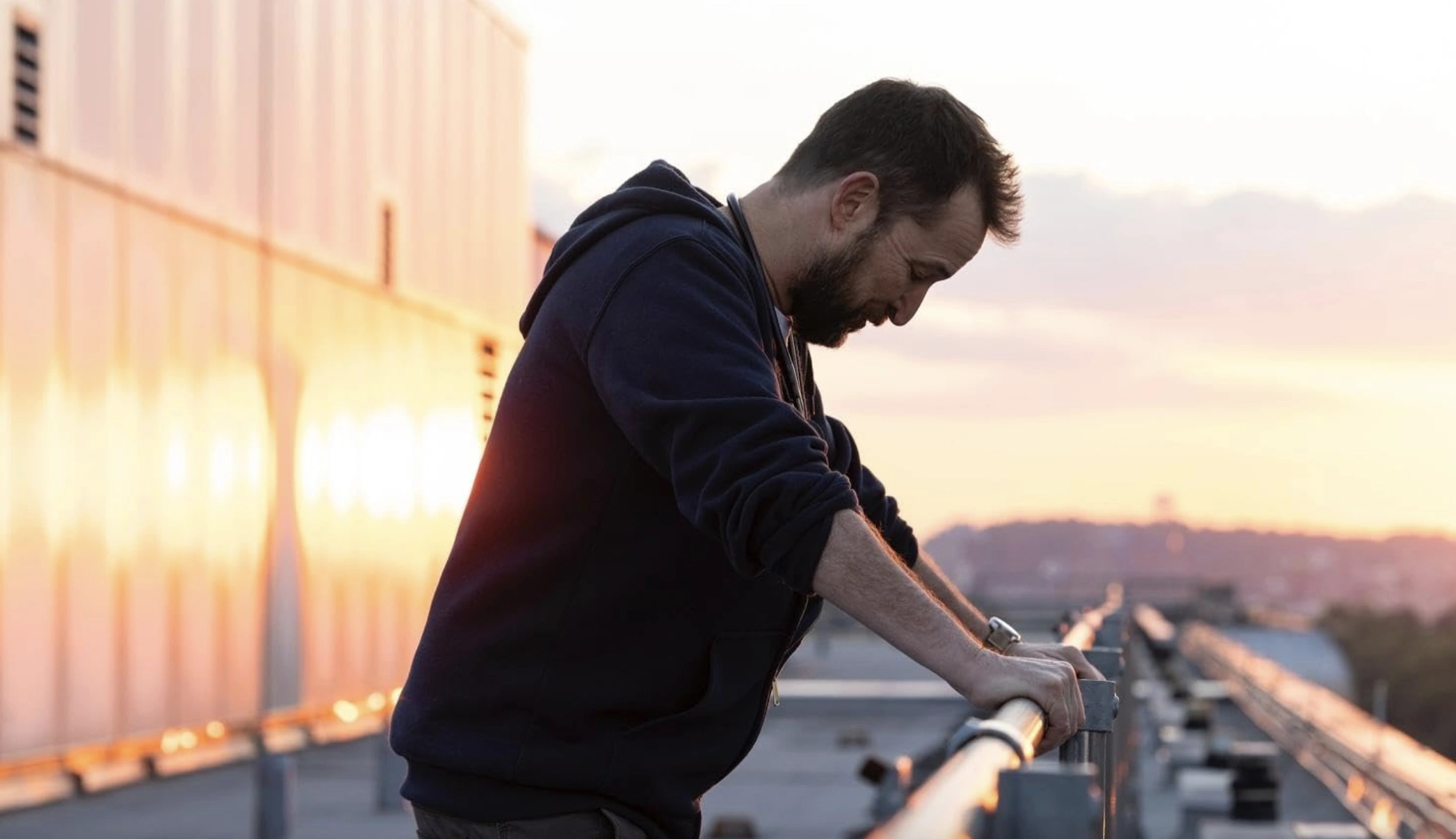
More stylistically and narratively straightforward — more downright broadcast-networkian, even — than anything else on this list, The Pitt was a tough sell for me at first. It was only a matter of a few episodes. Once the show gets past the unavoidable surfeit of “Here’s this doctor or nurse and here’s their name and here’s their deal” dialogue and digs deep into the physical and psychological labor involved in keeping both a hospital emergency room and its traumatized staff up and running, its game cast and real-time gimmick make it nigh irresistible viewing.
13. Task
Created by Brad Ingelsby (HBO)
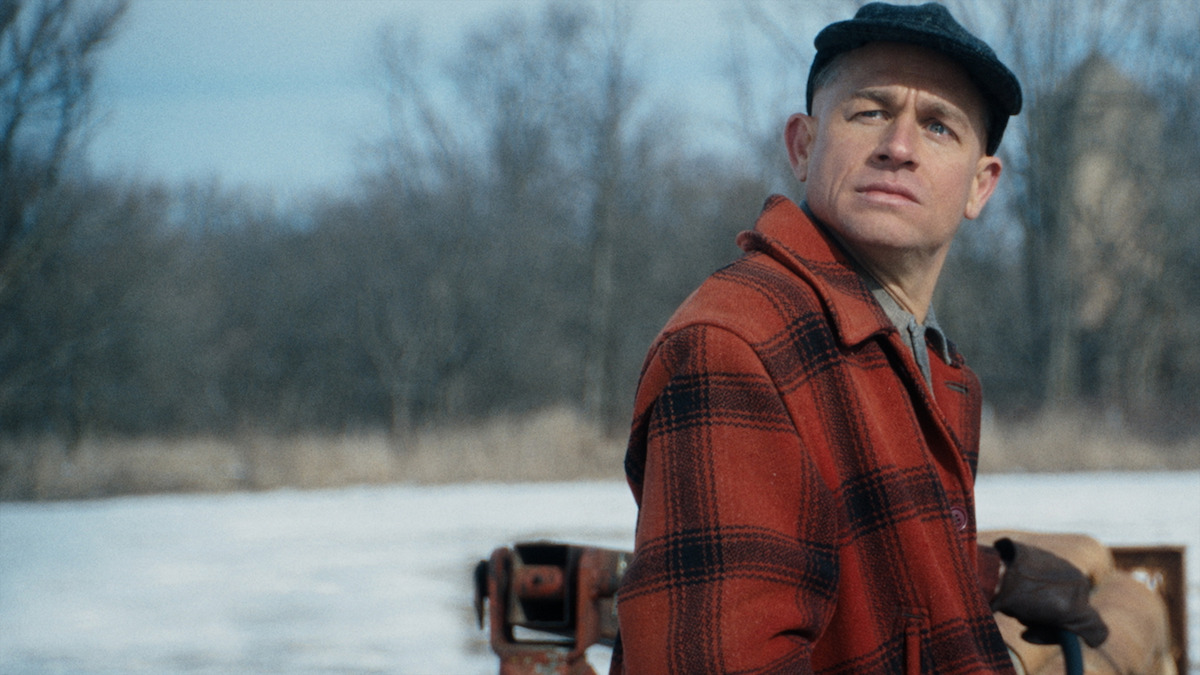
Everything everyone else saw in Mare of Easttown, Brad Ingelsby’s previous drama/thriller about crime in the downwardly mobile Philadelphia suburbs, I saw here. Tom Pelphrey, perhaps the single most endearing actor working today, plays a small timer who draws big heat by trying to do the right thing after a home invasion goes horribly wrong; Tom Ruffalo, Fabien Frankel, and Alison Oliver are among the messy, endearing cops (sorry) trying to track him down. Directors Jeremiah Zagar and Salli Richardson Whitfield shoot the woods of DelCo as if drawing forth their very life force, creating a mood best labeled fentanyl transcendentalism.
12. The Lowdown
Created by Sterlin Harjo(FX/Hulu)
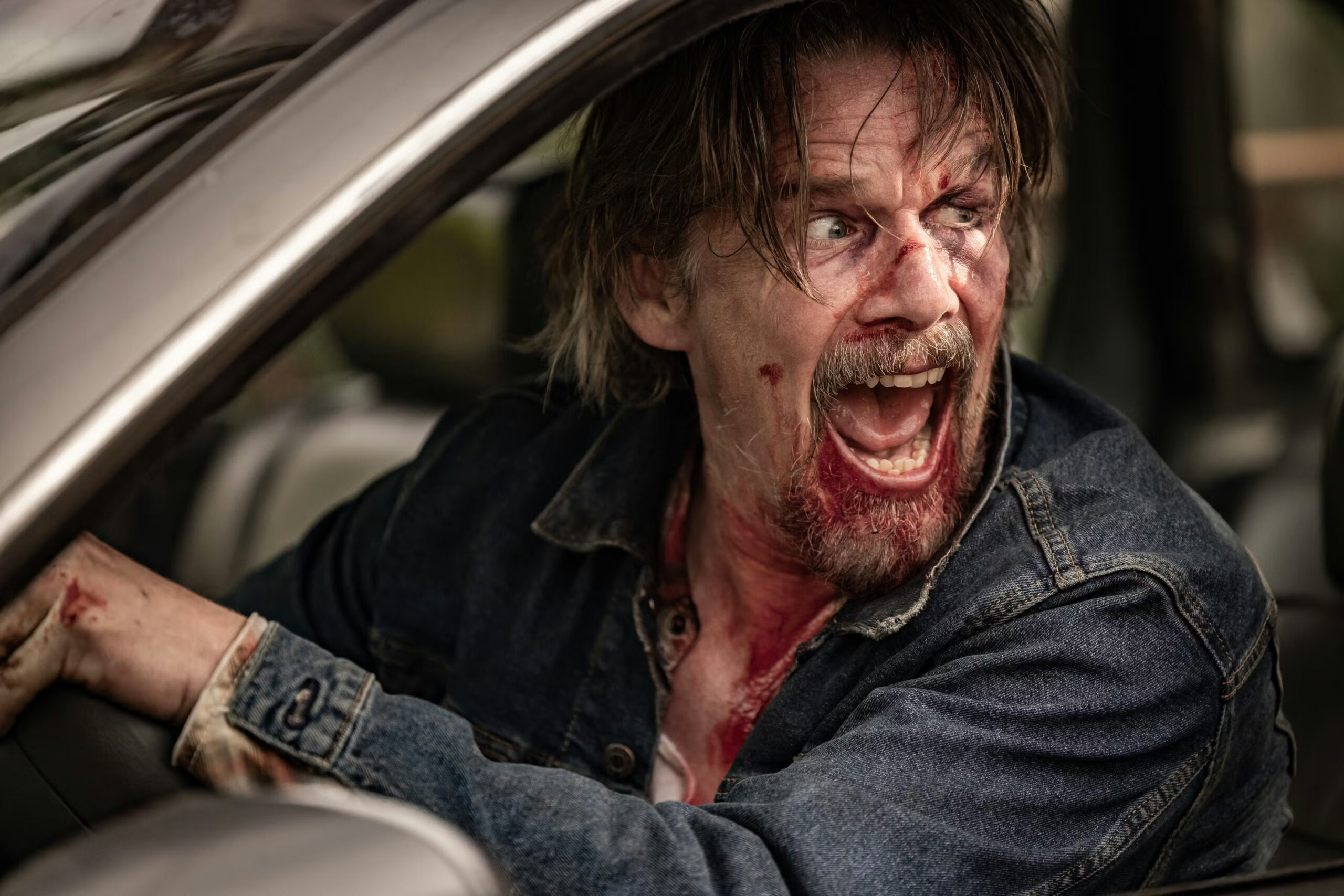
Unless the Dude himself is involved, sun-baked South/Western neo-noir is generally not my scene. I wear all black all the time, and this is a “guys who wear brown” genre. Oil and water, you know? Imagine my surprise, then, as The Lowdown steadily won me over. As a comedy it’s rock solid, its jokes and sight gags — more often than not at the expense of Ethan Hawk’s Lee Raybon, the good-hearted, down-on-his-luck “truthstorian” investigative reporter at the center of it all — landing with a high hit rate. The supporting cast is killer: Kyle MacLachlan, Jeanne Tripplehorn, Peter Dinklage, Keith David, Tim Blake Nelson, and Paul Sparks, just to name a few. Ethan Hawke plays Lee as what George R.R. Martin might write as hedge knight — a hardscrabble servant of the public good, whether or not he earns either money or appreciation for it (though he’d be happy for either). The Lowdown is a poignant plea to do the right thing in an era that rewards the opposite, even considering the cost.
11. Daredevil: Born Again
Created by Dario Scardapane and Matt Corman & Chris Ord; based on the work of Bill Everett, Jack Kirby, Stan Lee, Gerry Conway, John Romita Sr., Frank Miller, David Mazzucchelli, Charles Soule, Christos Gage, Ron Garney, Stefano Landini, and others (Disney+)
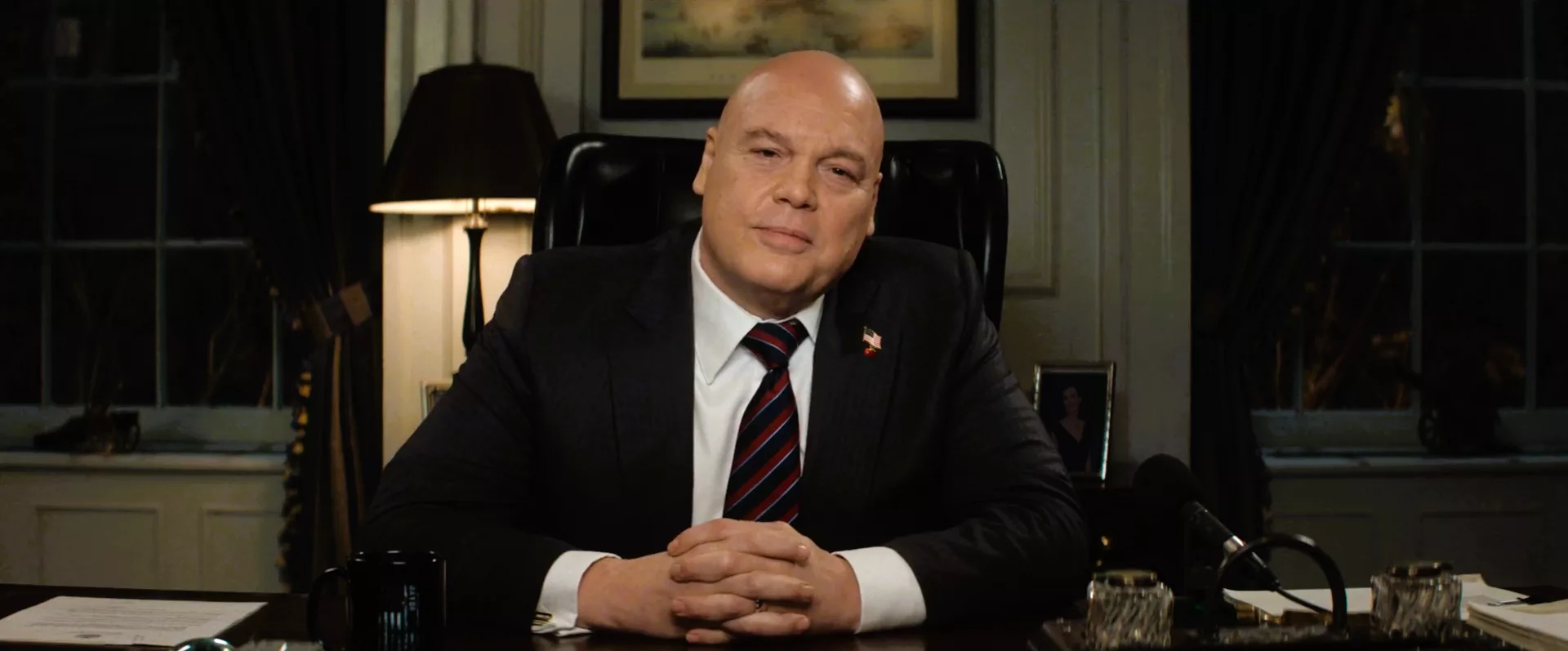
Daredevil: Born Again is about a blind vigilante ninja lawyer called Daredevil teaming up with his frenemy, a serial killer called the Punisher, to take down Donald Trump and his army of sociopathic cops. That’s it. That’s what it’s about. It’s as clear as day. It’s the reason Garth Marenghi called writers who use subtext cowards. This show is the best thing Marvel had put out in years, despite its many growing pains during development and production. Arriving early in the year, it was a welcome sign of artistic resistance to fascism via one of the most popular franchises on the planet; in that category, though, it would soon be topped.
10. It: Welcome to Derry
Created by Andy Muschietti, Barbara Muschietti, and Jason Fuchs; Showrunners: Jason Fuchs and Brad Caleb Kane; based on the work of Stephen King (HBO)
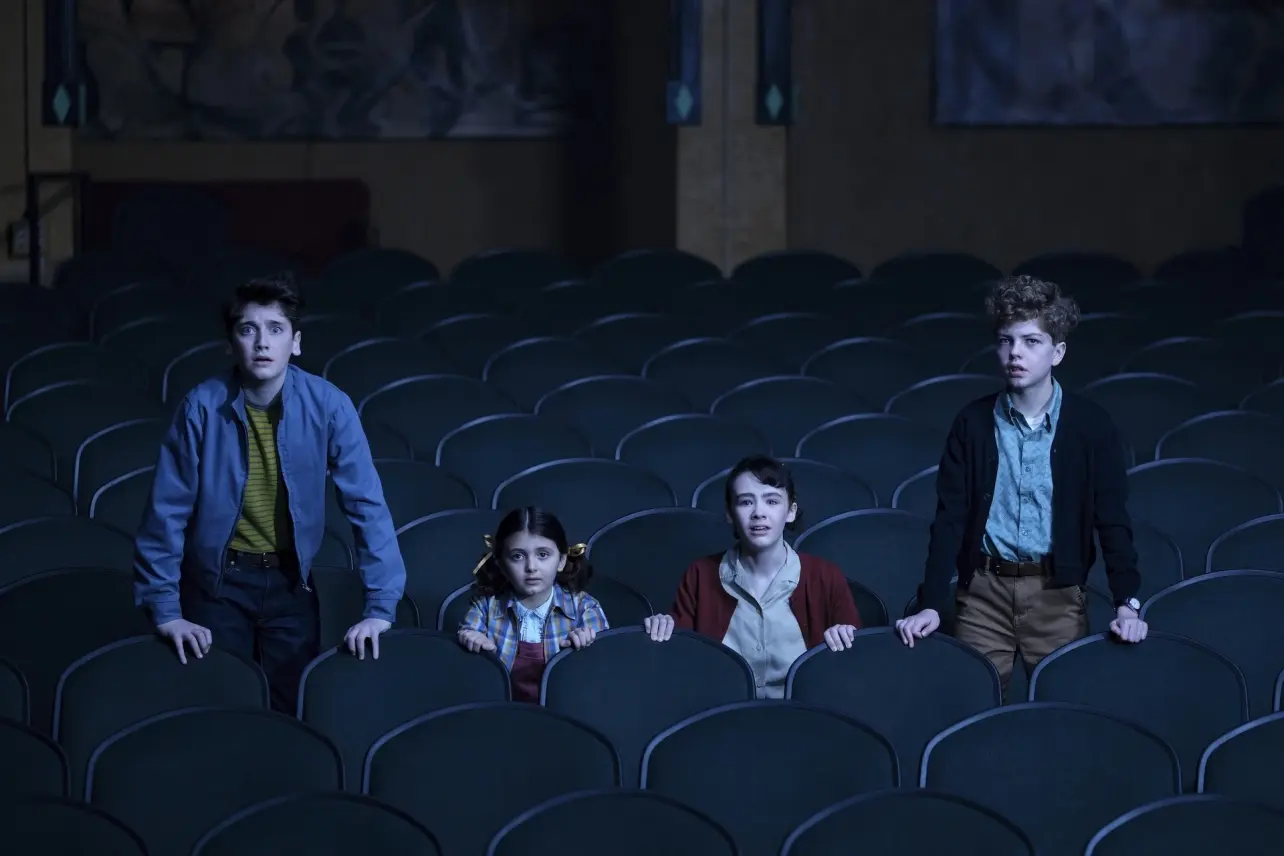
To paraphrase myself talking about the similarly strong start for Nick Antosca’s Channel Zero way back when, the first scene of the first episode of It: Welcome to Derry is grosser, scarier, weirder, more pointedly political, and just plain meaner than everything in director Andy Muschietti’s two It feature films combined. The show almost feels like penance for those movies, in a way — as if Muschietti and his collaborators were determined to get the queasy mix of nostalgia and brutality found in Stephen King’s masterpiece right this time. They succeed in large part thanks to a surprisingly strong lineup of child actors, led by Clara Stack and Matilda Lawler, and, amazingly, an adult cast that can command audience interest just as well as the adorable kids and the killer clown (played once again, and better than ever, by Bill Skarsgård). Jovan Adepo, Taylour Paige, Madeleine Stowe, and especially Chris Chalk as recurring King character Dick Hallorann aren’t acting like they’re in a Halloween haunted house, but rather in a place where their families, sanity, and souls are legitimately at stake. Despite some needlessly Hollywood plotting, it’s a testament to the power of cruelty in art.
9. Monster: The Ed Gein Story
Created by Ryan Murphy and Ian Brennan (Netflix)
Between The People vs. O.J. Simpson, The Assassination of Gianni Versace, Dahmer, and Monsters, Ryan Murphy and his collaborators are responsible for the four best true crime dramas I’ve ever seen. Murphy and Ian Brennan’s latest Monster show, about the Wisconsin killer and grave robber Ed Gein, feels less tightly focused than the other four shows, but this is to be expected due to The Ed Gein Story‘s expanded scope. Bluntly gruesome and woven through with surreal flourishes, it really is about the Ed Gein story — not just the killer’s life, his crimes, and the media circus immediately surrounding their discovery, as was the case with O.J. Simpson and Andrew Cunanan and Jeffrey Dahmer and the Menendez Brothers, but the legend that grew up around him. Psycho, The Texas Chain Saw Massacre, The Silence of the Lambs, and the true-crime industry itself can all be traced, in one way or another, back to Ed’s lonely heart.
8. The Chair Company
Created by Tim Robinson and Zach Kanin (HBO)
The original concept behind Robert Kirkman, Tony Moore, and Charlie Adlard’s comic book series The Walking Dead — which I liked quite a bit, as opposed to the TV show — was simple: What if a zombie movie never ended? “What if an I Think You Should Leave sketch never ended?” works well as a description of The Chair Company. ITYSL creators Tim Robinson and Zach Kanin trap Robinson’s senior-manager everyman Ron Trosper in a labyrinth of fraud and corruption that he uncovers more or less by being monomaniacally insufferable. I get the impression from the season’s cliffhanger ending that the plan here is to follow the original roadmap for Twin Peaks, whose creators David Lynch and Mark Frost never intended to solve their central mystery, using it instead to draw us deeper and deeper into their weird world. Will Ron ever get to the bottom of why that chair fell out from under him? Does it matter?
7. Foundation
Created by David S. Goyer and Josh Friedman; based on the books by Isaac Asimov(Apple TV)
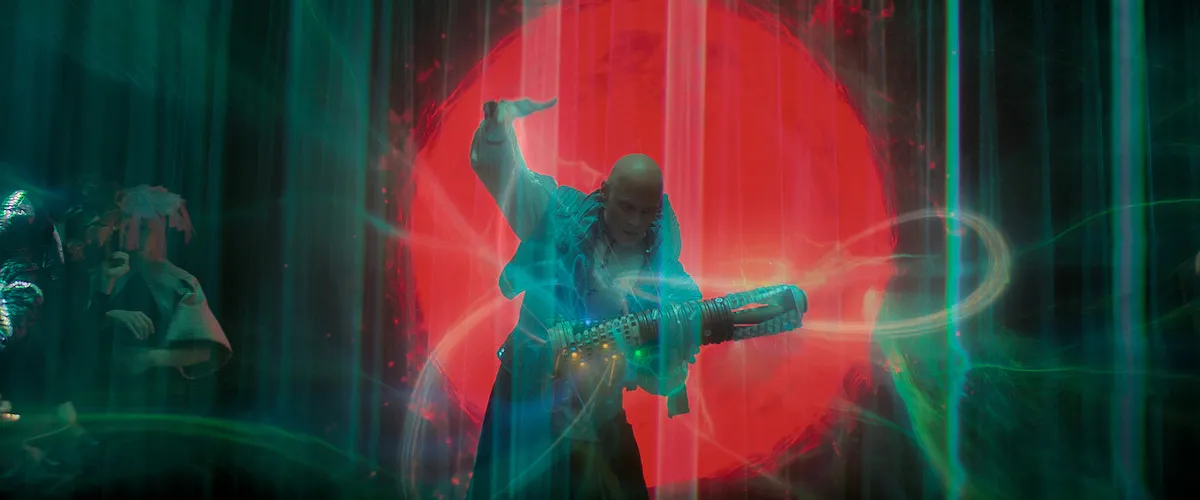
There’s no other…okay, there’s one other science fiction show on television that looks as good as Foundation. (More on that in a bit.) Everything from space travel to psychic powers to genocidal superweapons are rendered as kaleidoscopic and beautiful, while owing very little to the obvious genre antecedents. There’s heroism and sadism, derring-do and body horror. There’s mid-century SF’s usual obsession with scientifically measuring and predicting the broad movements of human society. There’s sex appeal galore. Right at the apex of it all are the strange, engrossing performances of Lee Pace, Terrence Mann, and Laura Birn as the immortals cursed with the burden of Empire, turned into monsters by wielding more power than any being should hold. There’s a lesson here about personalist regimes that’s too loud, and often too blackly funny, to ignore.
6. Murdaugh: Death in the Family
Created by Michael D. Fuller and Erin Lee Carr; based on the podcast by Mandy Matney (Hulu)
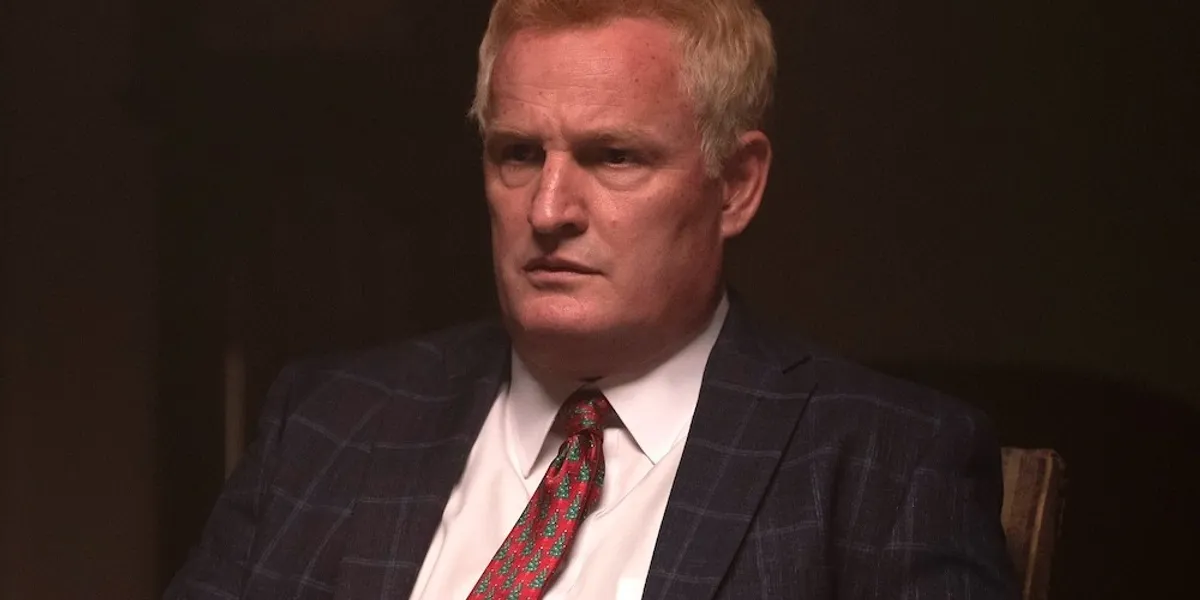
I’ve deliberately avoided using the word “mesmerizing” during any of these write-ups so far, despite it being a go-to superlative for someone in my line of work. (Well, for me anyway.) This is because there is one performance out of everything I watched this year that deserves “mesmerizing,” and it’s Jason Clarke as Alex Murdaugh in this true-crime drama from under the Nick Antosca umbrella. With his Christmas-ham face, his good ol’ boy charm, and his mountain of criminal secrets, his dynamic with his kind but enabling wife Maggie (Patricia Arquette, proving the weakness of her work on Severance is just a writing issue) resembles nothing so much as that of Tony and Carmela Soprano. Both stories are about the insatiable maw at the heart of the American dream, and who gets fed into it, and by whom. A sharp, tight, sensational show.
5. Alien: Earth
Created by Noah Hawley; based on the screenplay by Dan O’Bannon and Ronald Shusett (FX/Hulu)
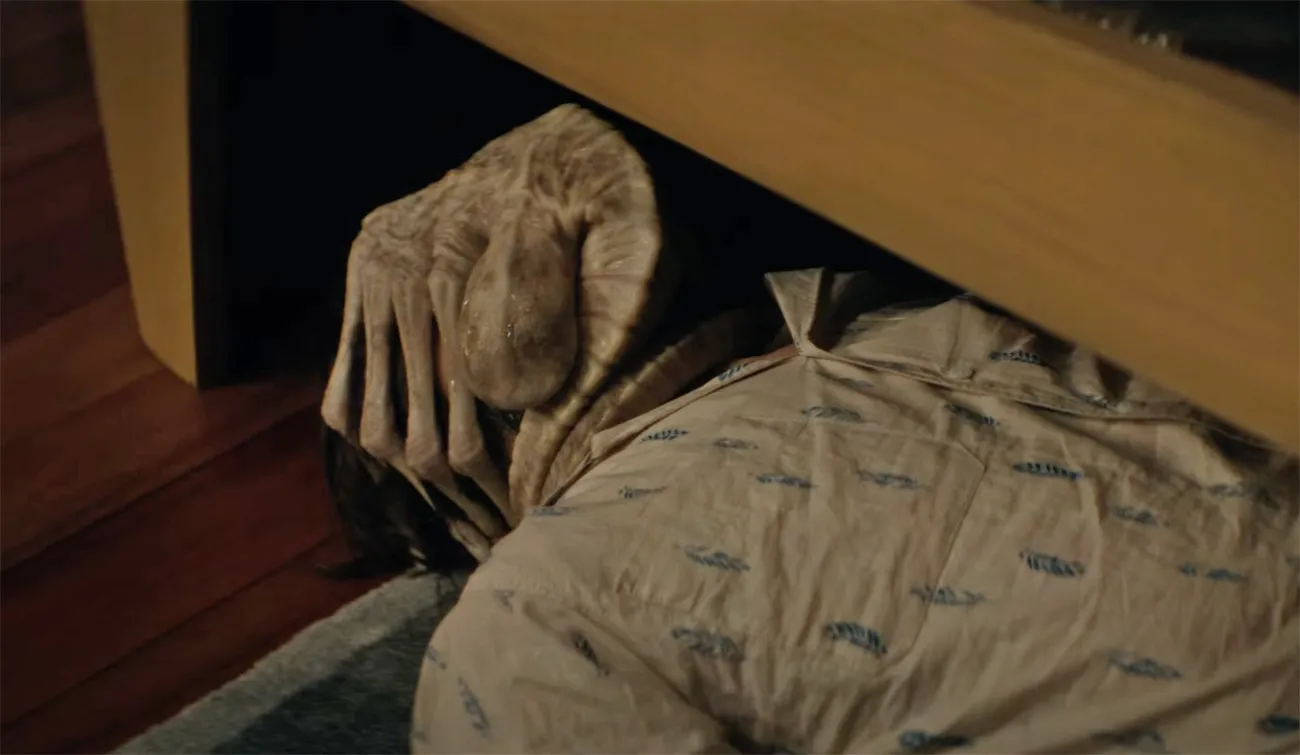
An unconscious man with an alien parasite attached to his face, hastily stashed under a child’s bed. A sheep with one bulbous eye, gazing coolly at its surroundings. An android with a shock of white hair, observing the sheep-creature right back. A wide-eyed billionaire manchild, vibrating with sociopathic glee. A child in a woman’s body, cooing at an apex predator from outer space. A glowering working stiff with nothing left to live for, and no morality to govern that life, save the completion of his mission. A xenomorph in full flower, running through the forest canopy, basking in the hot sun like a jungle cat. By stitching together memorable images in an almost ruminative way while never skimping on the all-out monster action, Noah Hawley has added a third entry to the Alien canon, behind only Ridley Scott and James Cameron in the originality and impact of his vision of the creature and the world it invades.
4. The White Lotus
Created by Mike White (HBO)
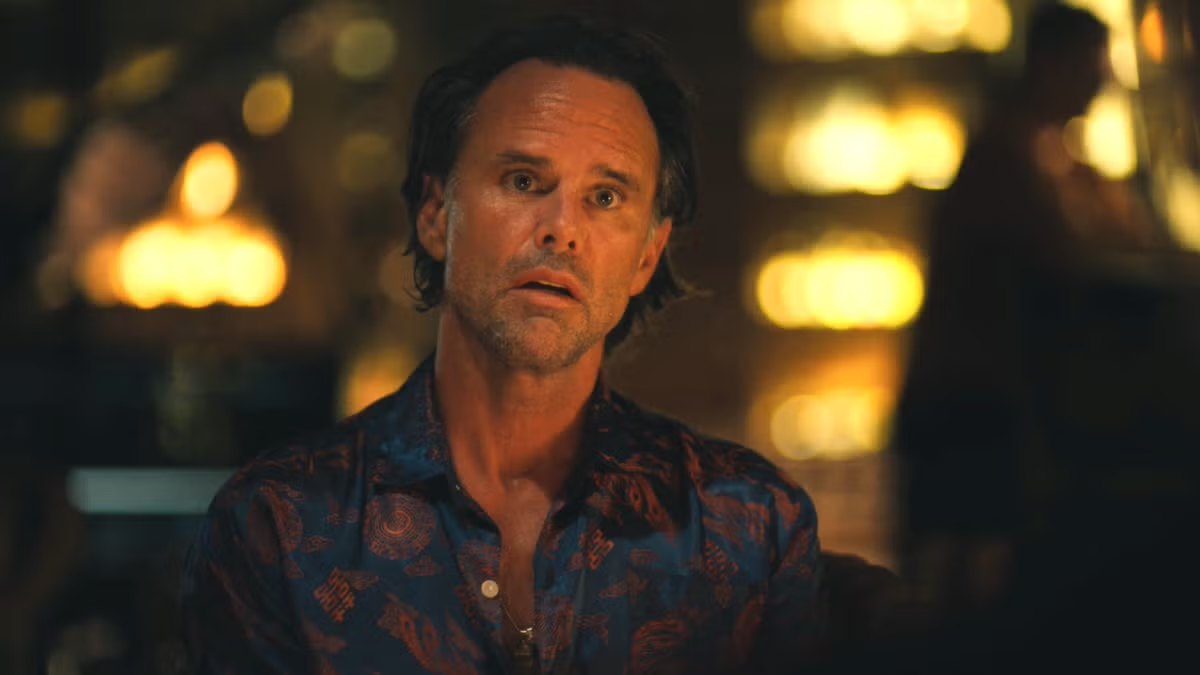
From the moment the show’s new and improved theme song began playing, it was clear something different was going on with The White Lotus this season. I’d previously found its broad satire of the leisure class smug and insufferable, but this season it opened up its tonal range to its great benefit. There’s a grand doomed love affair. There are characters who aim to do the right thing as much as there are who take the easy way out. There’s an astonishing monologue about the nature of desire by Sam Rockwell that has a decent claim on being the scene of the year. Lavish shots of the natural world and its animal inhabitants serve as the lifeblood of the thing, flowing between scenes and lending the whole sordid thing an air of mystery and danger.
3. Chief of War
Created by Thomas Pa’a Sibbett and Jason Momoa; showrunner: Doug Jung(Apple TV)
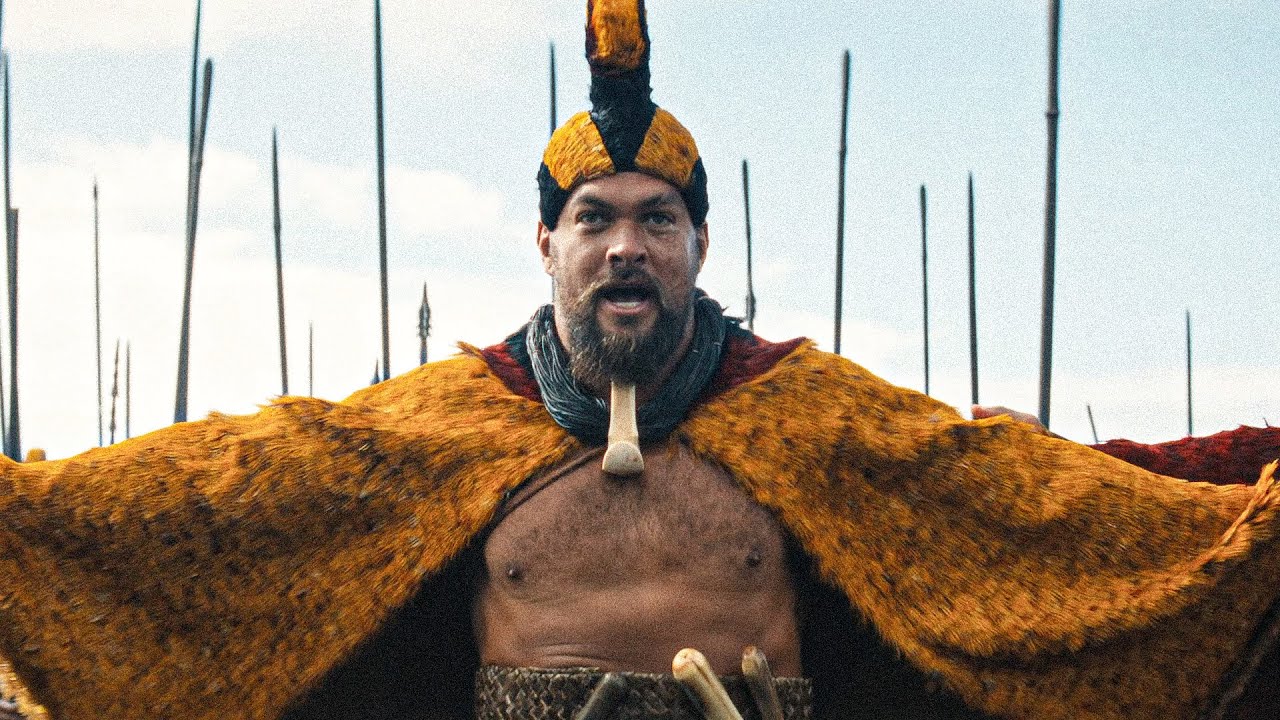
Jason Momoa, man. Jason goddamn Momoa. Star, co-creator, co-writer of every episode, director of its absolutely breathtaking finale, a landmark achievement in screen combat — watch Chief of War and you’ll find his achievements nearly as impressive as those of Ka’iana, the painfully ethical warlord of the show’s title. Torn between two women, at war with two kings on behalf of another — and all these characters are fully fleshed out to the point where you feel they could sustain the show as the lead themselves — Ka’iana is a real-life figure turned legendary. That’s Momoa and Thomas Pa’a Sibbett’s overall approach to the material: a myth for the Hawaiian Islands, an answer to King David or King Arthur. Appropriately, the visuals are mythic in scope, using greens and reds and yellows in painterly fashion; Momoa does things with digitially color-graded orange in the finale I’ve simply never seen on screen before, the way Danny Boyle put new shades of green on camera in 28 Years Later. It’s that kind of story, almost, right down to the presence of a Bone Temple. The finale delivers the climactic battle the show’s been promising all along, too — no false advertising here. An epic like few others.
2. Adolescence
Created by Jack Thorne and Stephen Graham(Netflix)
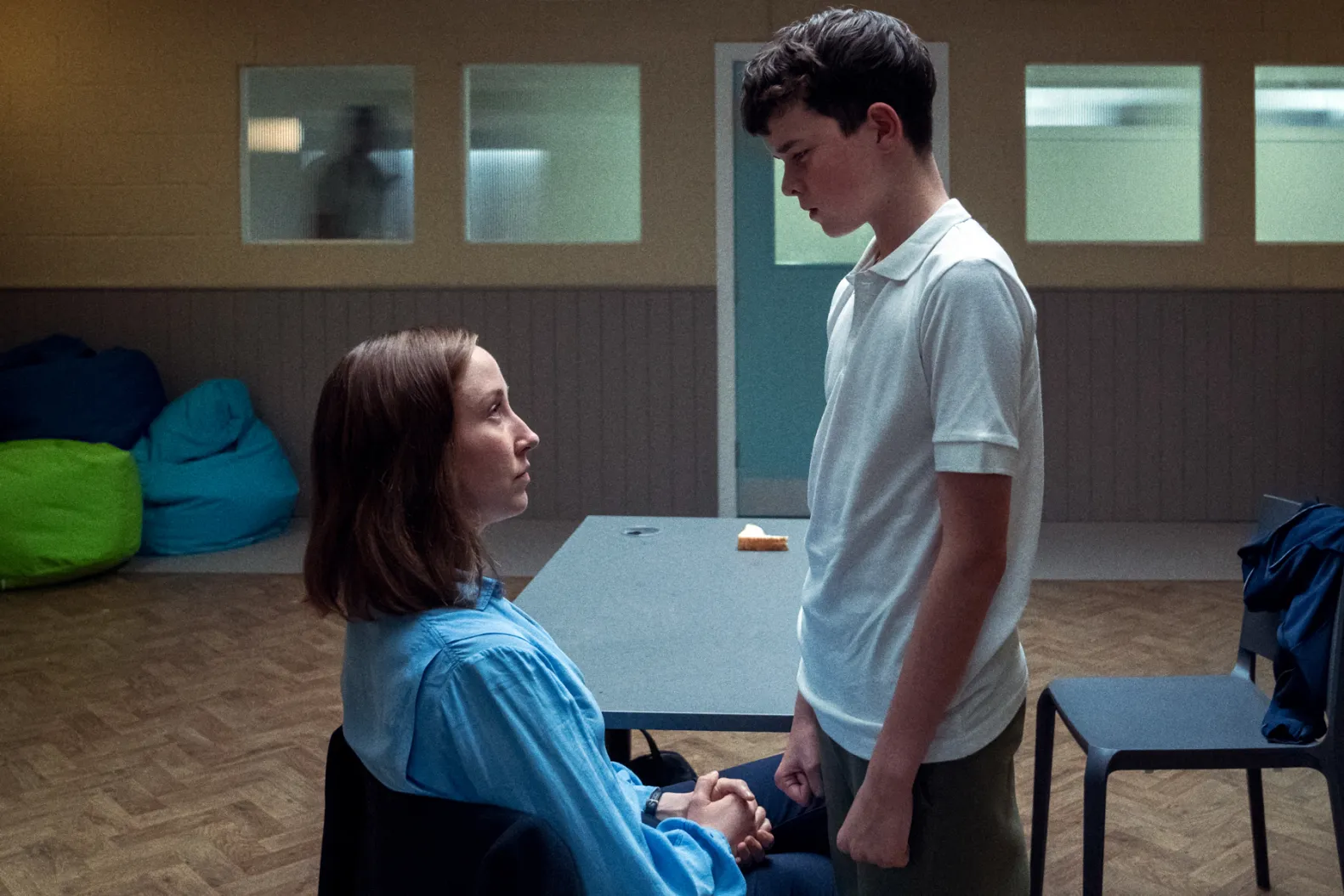
You forget about the stunt aspect. That’s the highest compliment I can pay Adolescence, considering how impressive the stunt aspect is. Director Philip Baratini shoots each of the show’s four episodes as a single continuous take, immersing us in the lives of a Liverpool family being detonated by their young son’s shocking, misogynistic crime. A Thousand Blows stars Stephen Graham (the show’s co-creator and co-writer) and Erin Doherty knocked me out once already; in this they’re almost too luminous with the terrible truth of their characters’ circumstances to look at. Owen Cooper, who plays the boy at the heart of it all with precocious power, is the acting find of the year. This show is a triumph.
1. Andor
Created by Tony Gilroy; based on the work of George Lucas and others(Disney+)
“Andor,” I wrote on Bluesky partway through watching the show’s second season via advance screener copies provided to me by the Mouse, “is a stone cold masterpiece. There’s stuff in Andor Season 2, images, moments, as good as anything on television ever. Not grading on the Mandalorian curve, grading on the Mad Men curve.” I stand by every word, and I’ll go further. Andor isn’t just the best show of the year, it’s one of the ten best television shows ever made.
I believe Andor is the most expensive television series ever made, and every penny is visible on screen. Tony Gilroy and his collaborators have created a fully fleshed out society from the sketched out structure left behind by George Lucas as the bridge between his prequel trilogy and the original films. He crafts a bright, shiny dystopia of propaganda, ecocide, and genocide — one that countless viewers were all too able to recognize as our own — then examines what enforcing that regime, or fighting back against it, would really look like.
The result is a Star Wars show that treats the existence of something called the Death Star as the moral obscenity it really is. It explores the strangely compelling sexual neuroses of fascist apparatchiks, and is unsparing about the kind of sexual violence the servants of the Empire would inflict on civilians. It tells a terrifying story of genocide from start to finish. It shows the sacrifice of personal happiness inherent in a life lived for the cause. When it finally introduces the Force, a subject from which the series stays away for nearly its duration, the concept regains its power as the animus within all living things. “Life will defeat you,” Winston Smith insisted to the Party in 1984; Andor says the same thing, and means it. Vital, elegiac, magnificent.
“Harry, I’m gonna let you in on a little secret. Every day, once a day, give yourself a present. Don’t plan it, don’t wait for it, just let it happen. It could be a new shirt at the men’s store, a catnap in your office chair — or two cups of good, hot, black coffee, like this.”
It’s exceedingly rare to receive actionable advice on better living from a TV cop, but Dale Cooper is a rare cop indeed. I think this little speech, from the penultimate episode of Twin Peaks’ short first season, does more to endear Coop to us than half a dozen high-speed chases, collared perps, or climactic shootouts would have done.
Carol’s moaning was sweet, it was hot, it was tender and moving and erotic, and it got me to thinking. Carol reacts to kissing Zosia the way that she does because she’d kept every victim/beneficiary of “the Joining” at arm’s length, and they she, this whole time. But of course it’s insane to completely remove yourself from humanity, even the strange form of it represented by members of the hivemind like Zosia. You need that contact, however peculiar it has now become. Or Carol needs it, anyway: When she was totally cut off, she really did begin losing her mind.
Yet at the same time, I couldn’t stop thinking that it was also insane to talk with Zosia, to befriend Zosia, to make love to Zosia, like Zosia is a real person, when in fact she’s…well, all real people, all at once. She is the original Zosia. She is Carol’s dead wife. She is Carold’s dead wife’s relatives. She is Carol’s own relatives! She is every woman Carol ever fucked, and every woman they ever fucked, and so on, and so on, and so on.
Is the intimacy required for even the most exhibitionistic and non-monogamistic sex possible when your partner is every living human being, minus one dozen? What about the intimacy required to confide, to conspire, to share hopes and dreams and frustrations and inside jokes? To stargaze amid incredible romantic red lights, to play croquet on the 50 yard line, to get massages, to visit an old haunt like the Mulholland Drive–esque diner the plurbs rebuild for Carol’s enjoyment? To do all the things friends and lovers do?
Keep in mind also that Zosia is also all of the world’s greatest lovers. She is every woman who’s ever given head and every woman who’s ever been given head. She’s every man in that same equation, if for some reason that knowledge should come in handy. By the time she and Carol have sex, the episode has already established that Zosia is literally unbeatable in games of skill or knowledge, having instantaneous access to the thoughts — but not the physical or emotional feelings — of every human being on earth. Tough to imagine this idea was introduced in the same episode where she and Carol fuck out of pure coincidence, right?
So is it mind-blowing? Is it the best sex she’s ever had? Is it tailor-made to match the performance and preferences of a familiar lover, like her wife? Is it deliberately dialed down by a collective consciousness that knows every sexual trick in the book, including how not to overwhelm your more inexperienced inamorata? Is there a reason it’s happening now?
There are a million reasons Fallout shouldn’t work. For starters, it’s a video-game adaptation, and those almost never work regardless. It’s an over-the-top satire of capitalism and the fantasy of the American West, a subgenre with a pretty shabby success rate on the small screen. It ricochets between a dizzying array of reference points and emotional tones every episode. It treats violence both as a hideous moral blight and totally awesome.
It shouldn’t work, but it does. Adapted by Geneva Robertson-Dworet and Graham Wagner from the games created by Tim Cain, Leonard Boyarsky, Josh Sawyer, and others, Fallout is a spectacularly savage send-up of megalomaniacal technocrats, billionaire psychopaths, and American fascists. (Brought to you by Jeff Bezos and all your friends at Amazon!) Starring several of the most telegenic actors working today, it’s stupid like a fox, smarter than it needs to be, and so nasty I’m surprised they can get away with it.
When we learn his company helped drop the bombs itself, it hits viscerally. Why did you make that choice?
What we were trying to grapple with is a corporation whose stock price goes up when there’s a war and people are terrified. They’d have financial motivation to stoke the fears of war further and further, which might actually cause the bomb to drop. Look around and see what’s happening with A.I., or new technologies in the military space. It feels like everyone’s on this hamster wheel because it’s increasing the number of zeros in their bank accounts, the world be damned. That’s why this felt so interesting and frightening to me. The world might end because a few people needed to get rich.
Twin Peaks doesn’t have storylines, it has story clusters. That’s the simplest way to picture it, I think, and the easiest way to make sense of it. There are a handful of core concepts — the murder of Laura Palmer, the Ghostwood Estates/Packard Sawmill real estate swindle, the cross-border drug trade, the saga of Norma and Big Ed, the cops, the teens, the dreams — around which different sets of characters swirl. A few characters, like Dale Cooper, Audrey Horne, Leo Johnson, Bobby Briggs, and Laura Palmer herself, are able to cross between clusters. By connecting them, they help create the sense that it’s all one big story after all.
This fluid approach to the movies’ continuity is part of what makes this show such a surprise. “It: Welcome to Derry” feels like a mulligan for Muschietti, who directed them. The first film’s haunted-hayride vibe, the second’s nonsensical plot and warmed-over, quip-heavy dialogue: All of that has been jettisoned. In their place stands a season-long testament to the power of cruelty in art.
From start to finish, “Welcome to Derry” has relentlessly probed fears that plague our childhood and our adulthood. Children are tormented with their worst nightmares. Adults are taunted for their most painful failures and confronted with their most terrible memories.
At the center of it all lurks an orange lunatic who feeds on fear and suffering, empowered by a government apparatus working to spread that fear and suffering from sea to shining sea. As such, Pennywise is a monster for our degraded age.