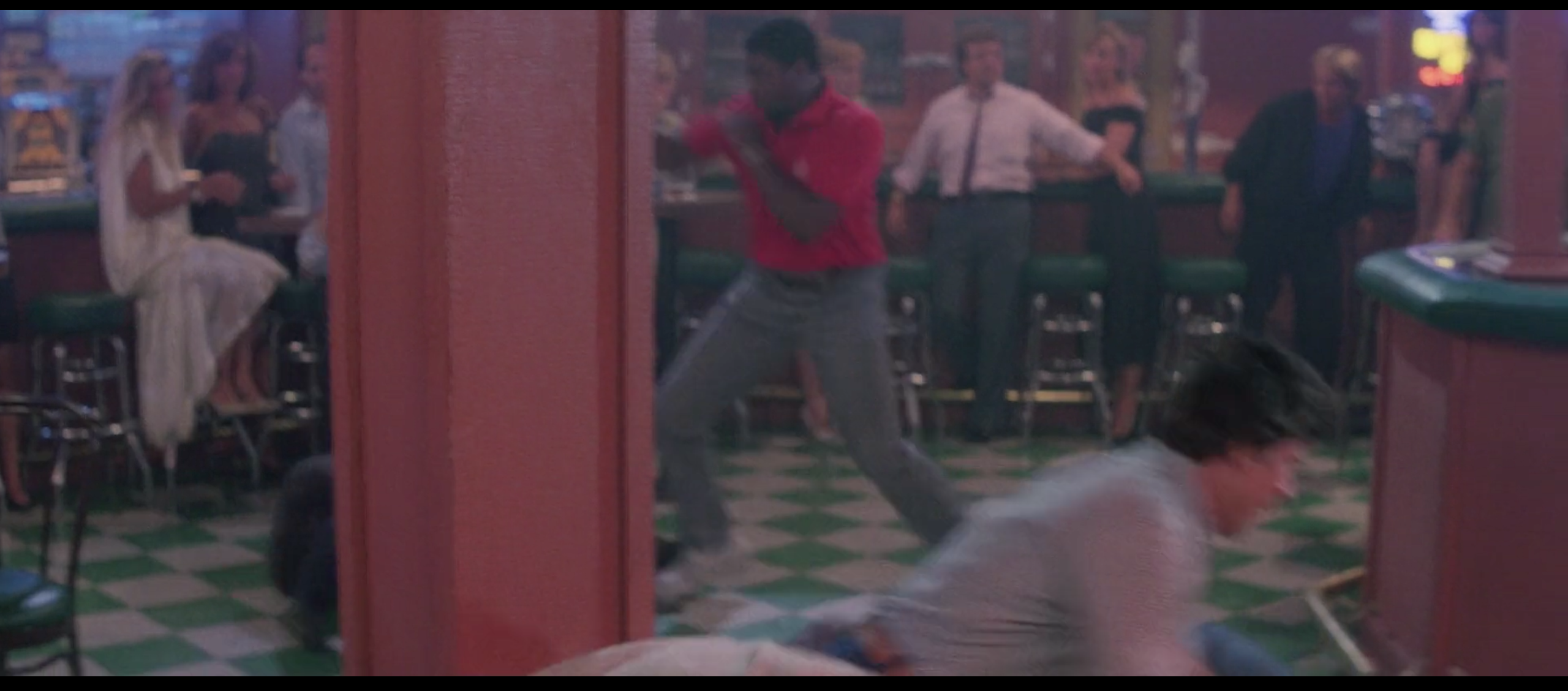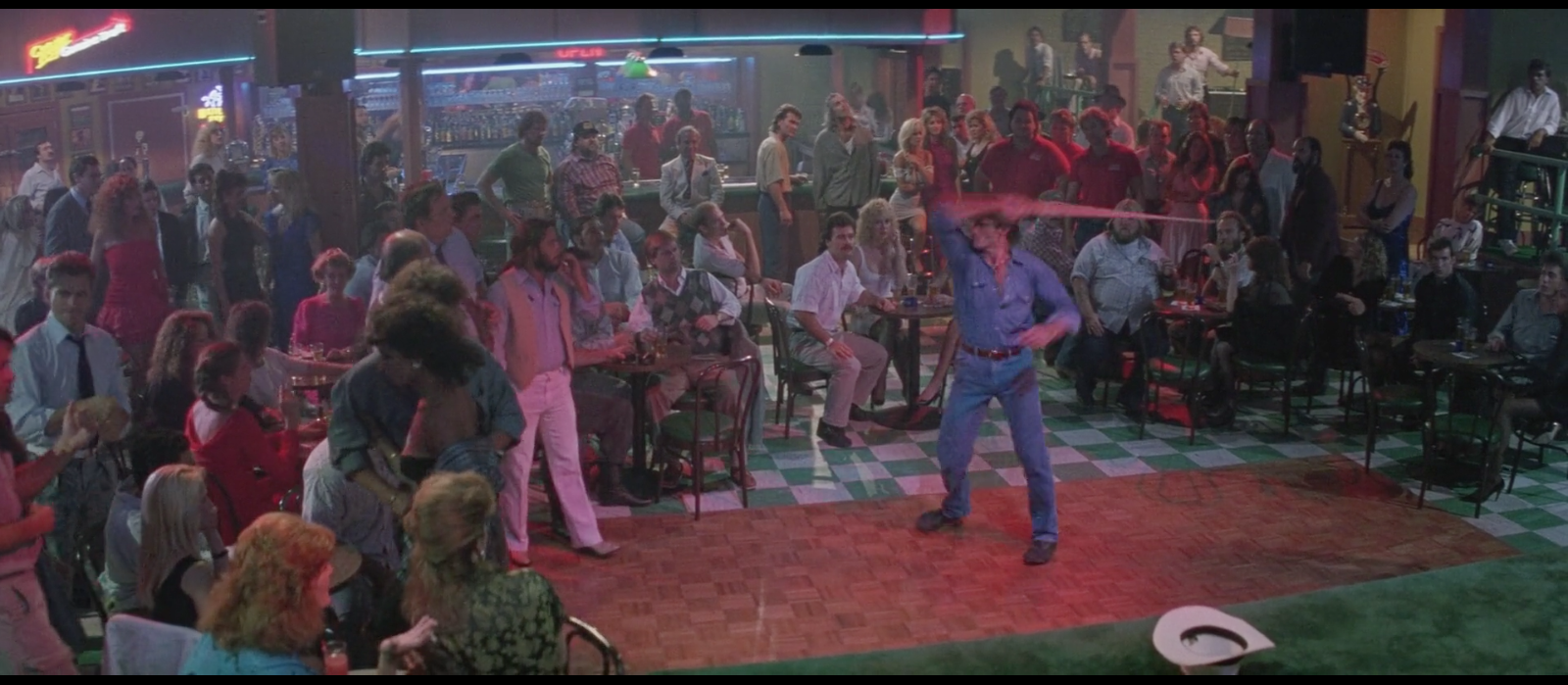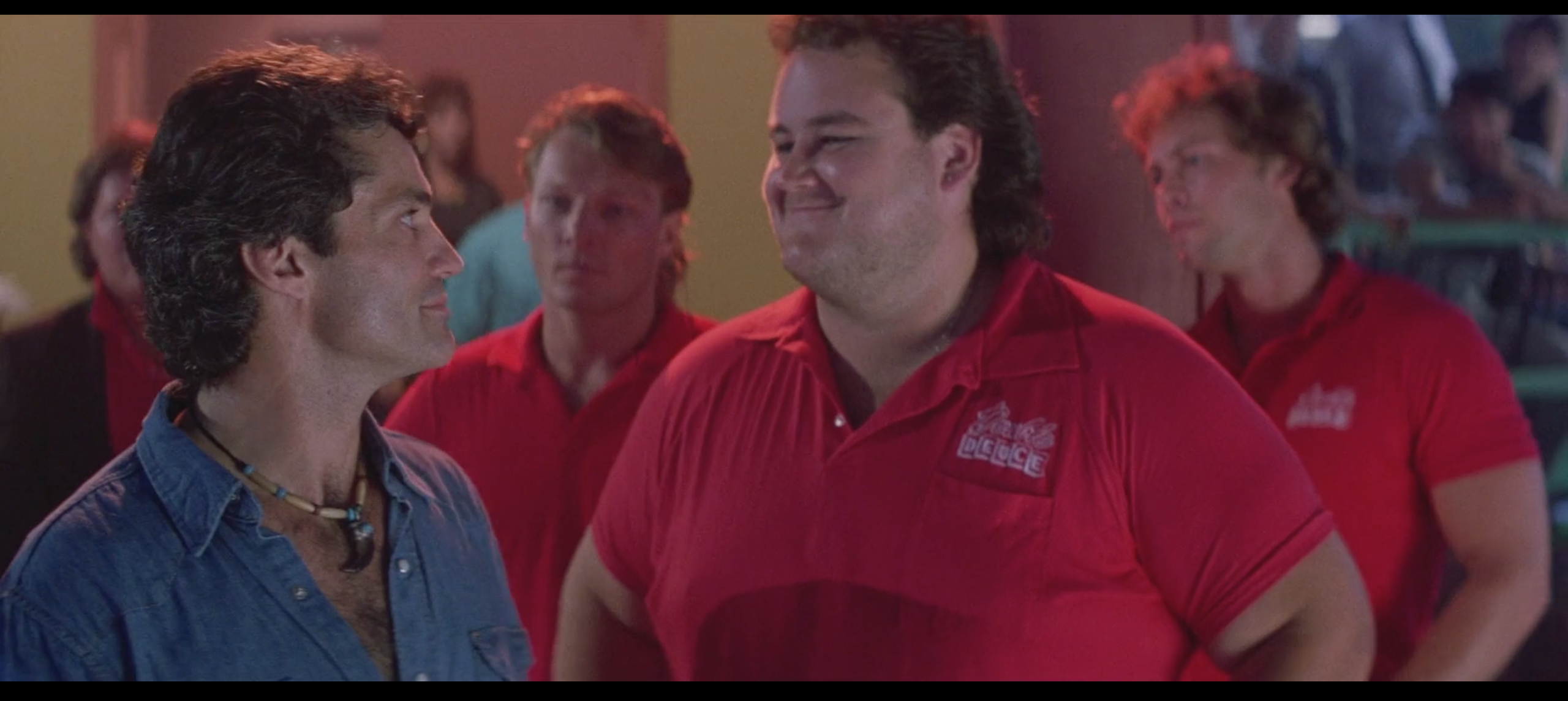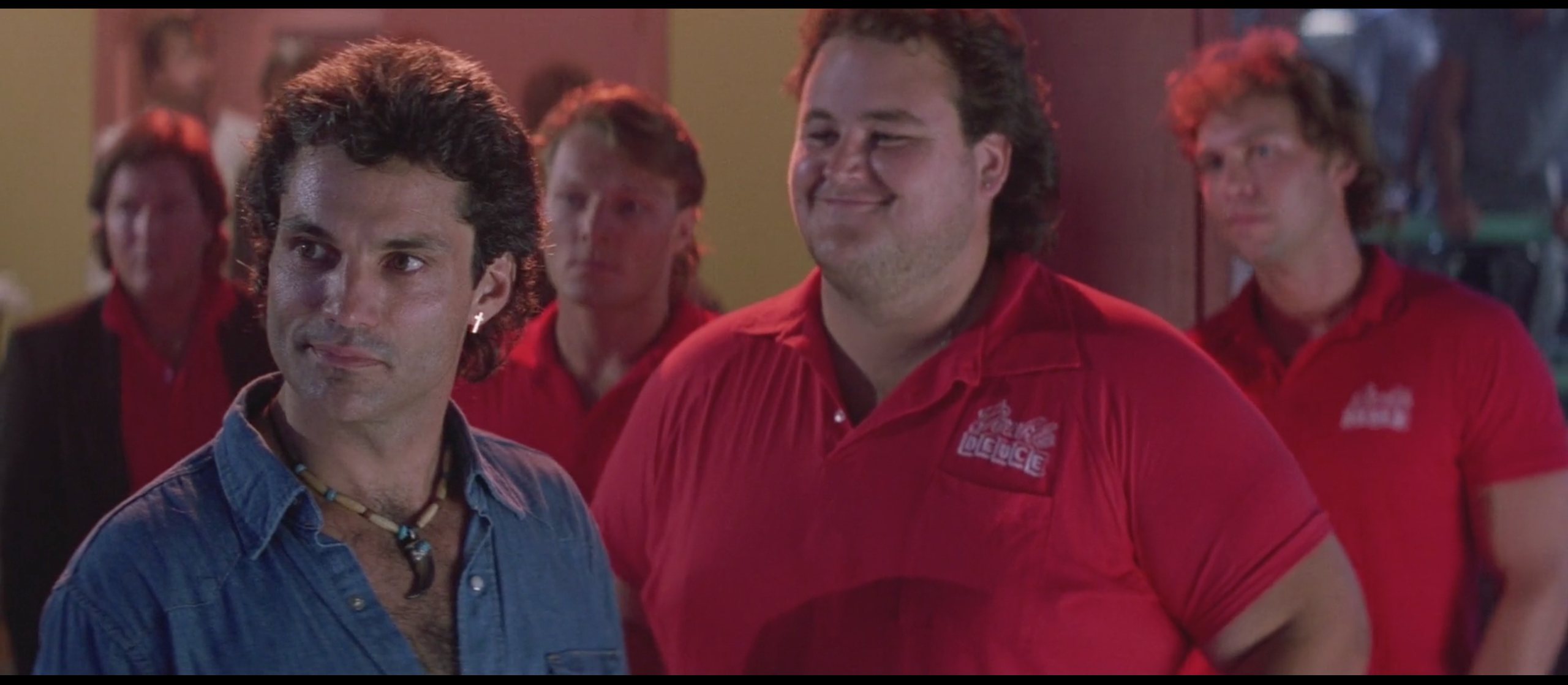
“Dark” thoughts, Season Two, Episode Eight: “Endings and Beginnings”

The final episode of Dark‘s relentlessly gripping second season is entitled “Endings and Beginnings,” a reversal of the season premiere’s title “Beginnings and Endings.” And believe me, that cheap symmetry is the only cheap thing about it. Whether you’re talking about Stranger Things on Netflix, Westworld on HBO, or even the letdown of (sigh) Mr. Robot Season 3 on USA, Dark is the science fiction show to beat. Its take on its sci-fi concept is wholly original. Its grasp on its complex story is sure. Its creation of characters worth caring about—not necessarily liking; there’s a difference, and it cuts in Dark’s favor—is unmatched. Its refusal to pull punches is glorious.

I reviewed the season finale of Dark Season Two for Decider.

180. Three Imaginary Boys

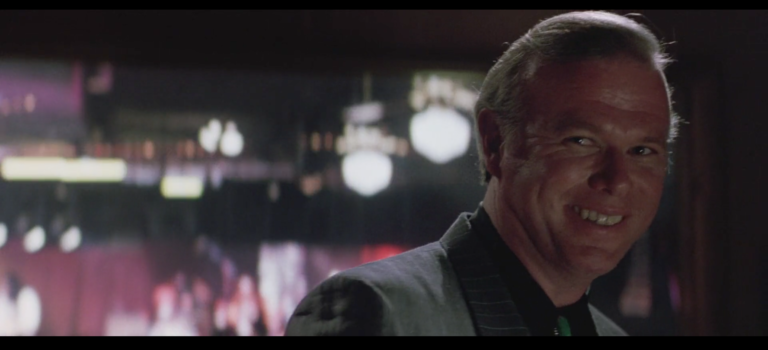
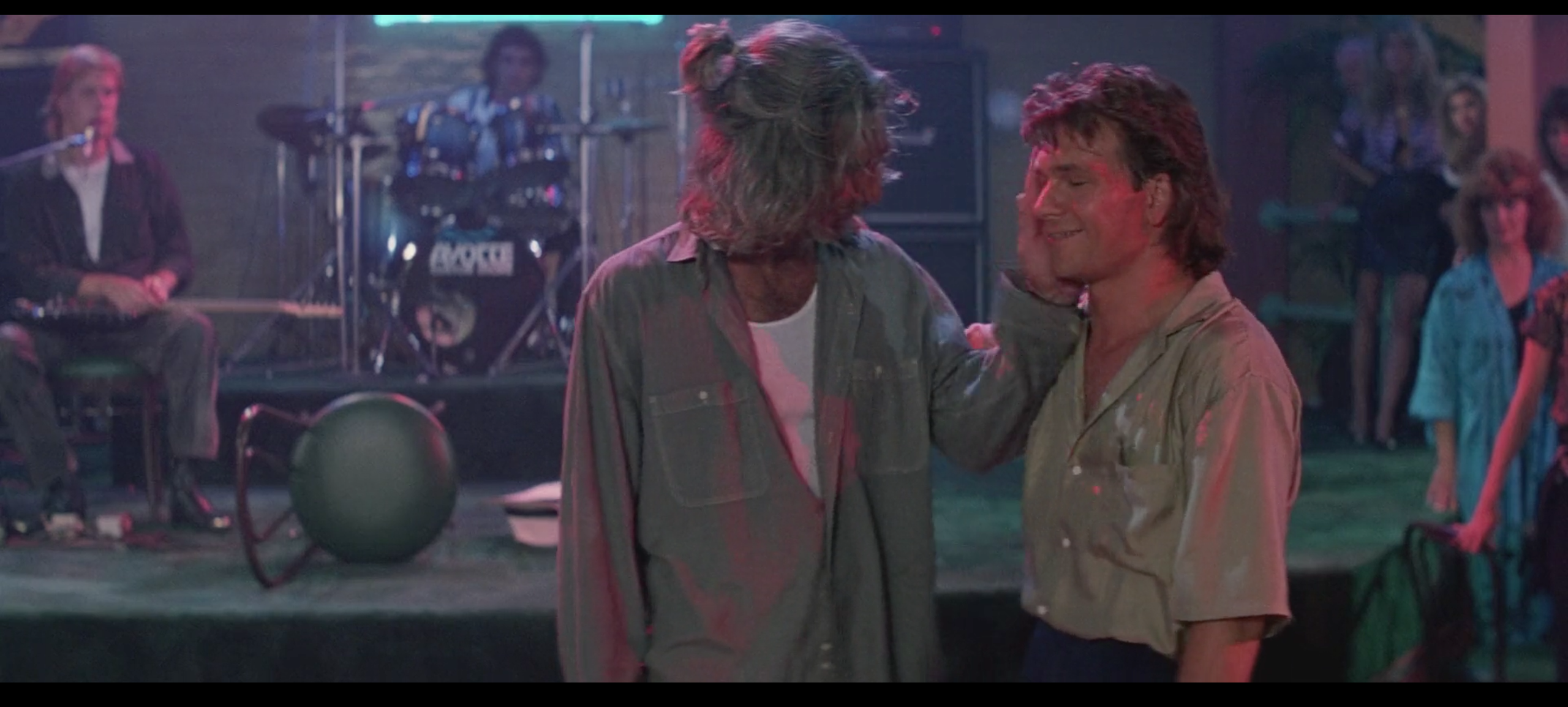
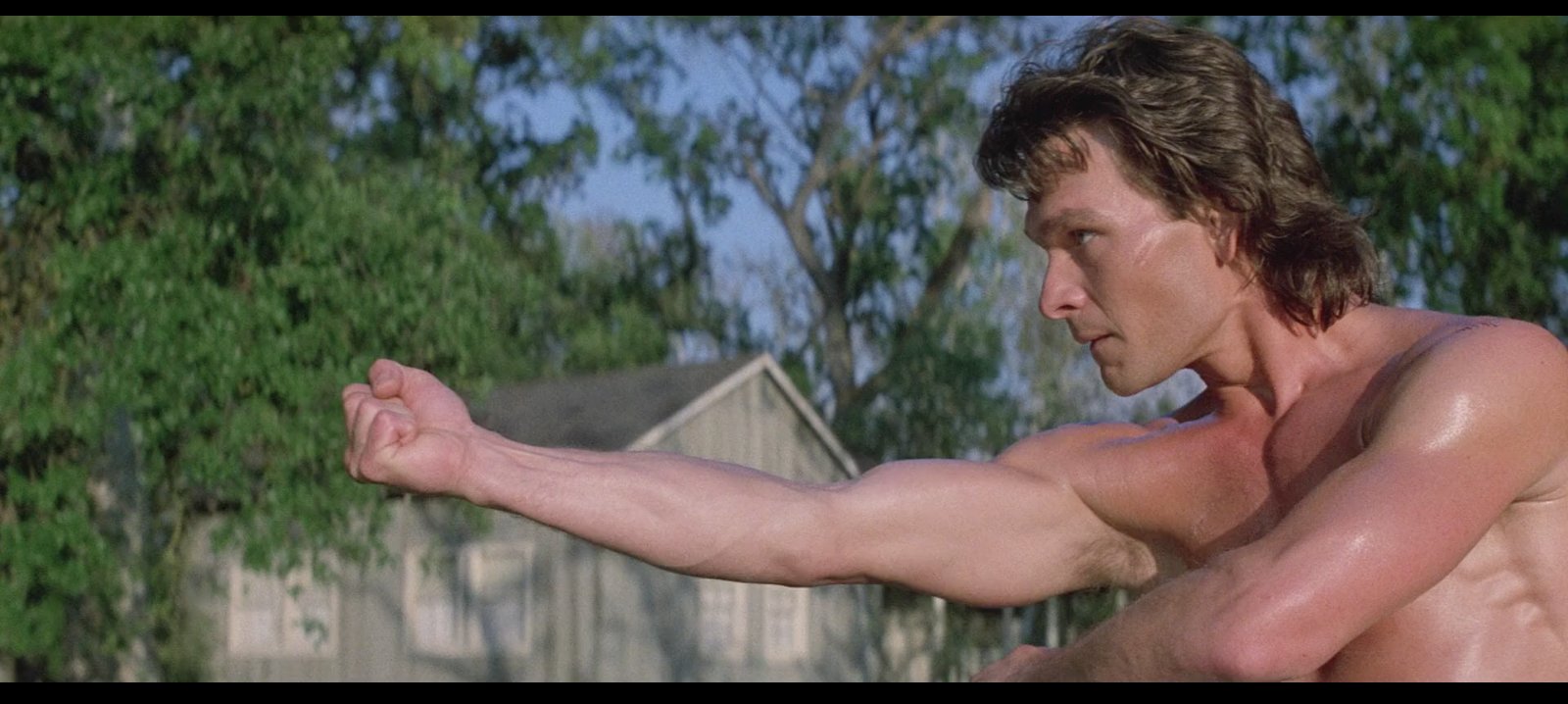
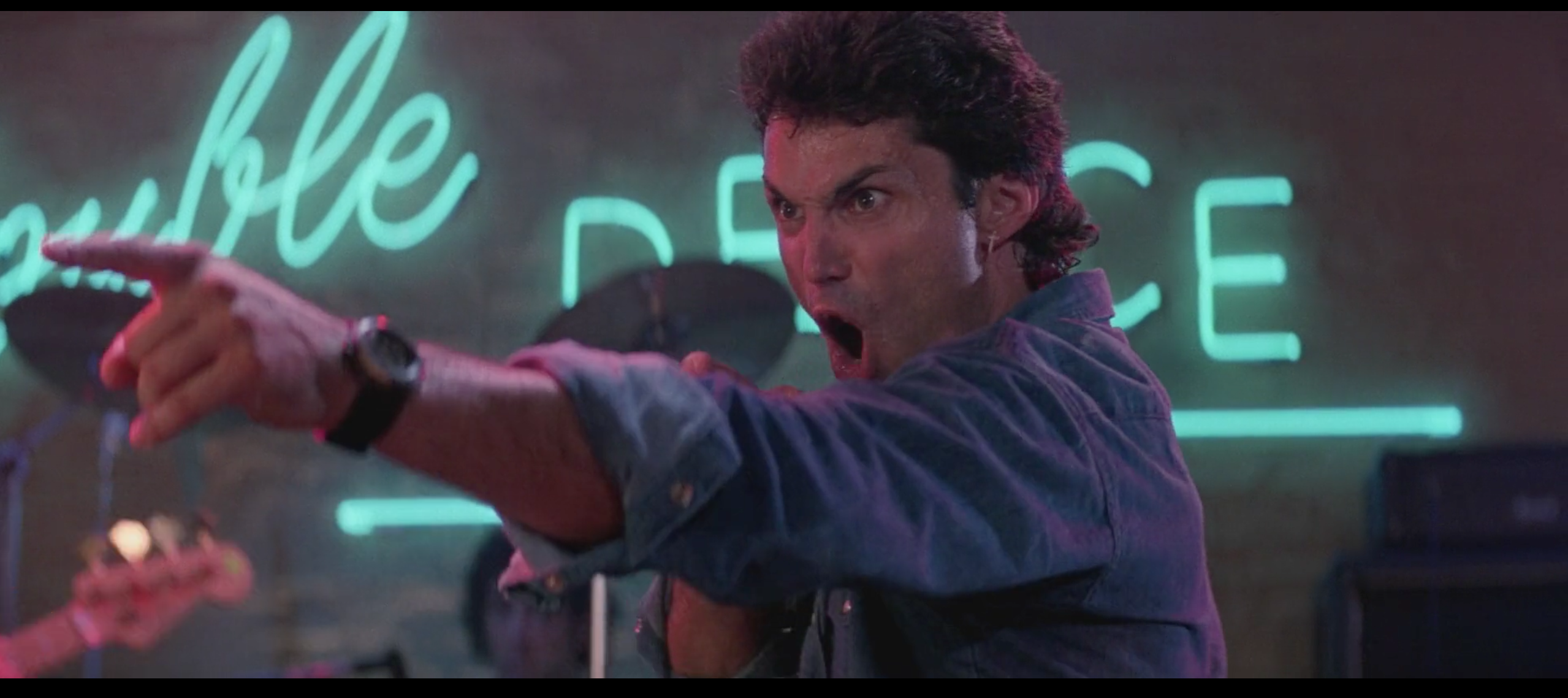
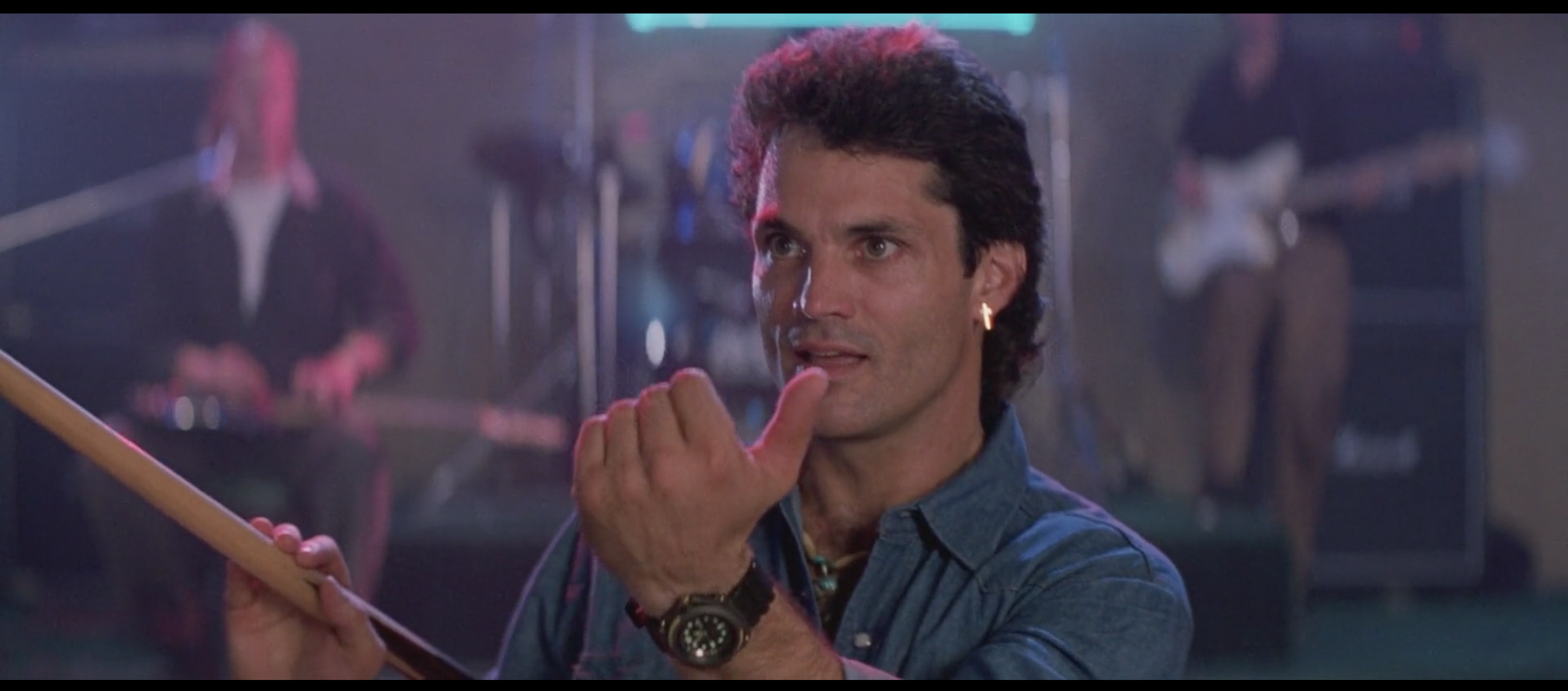
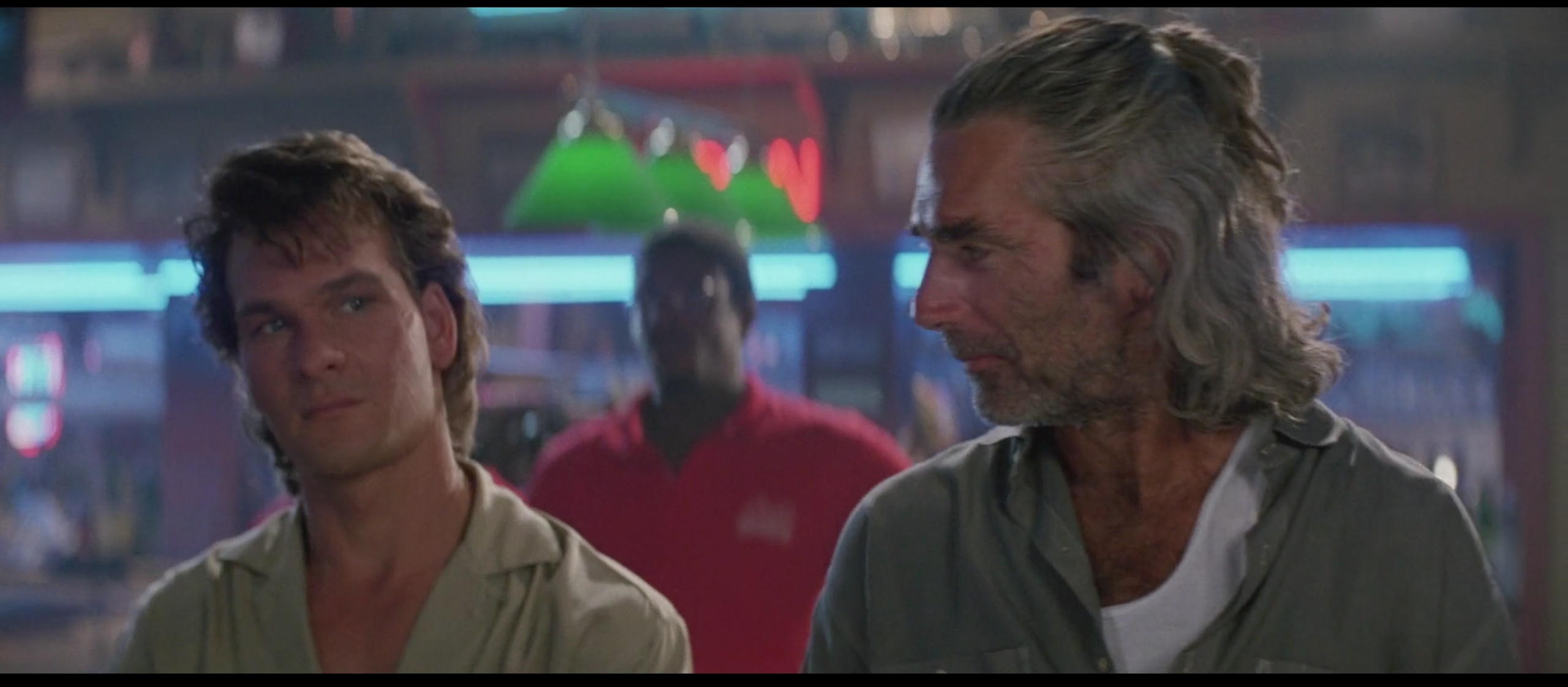
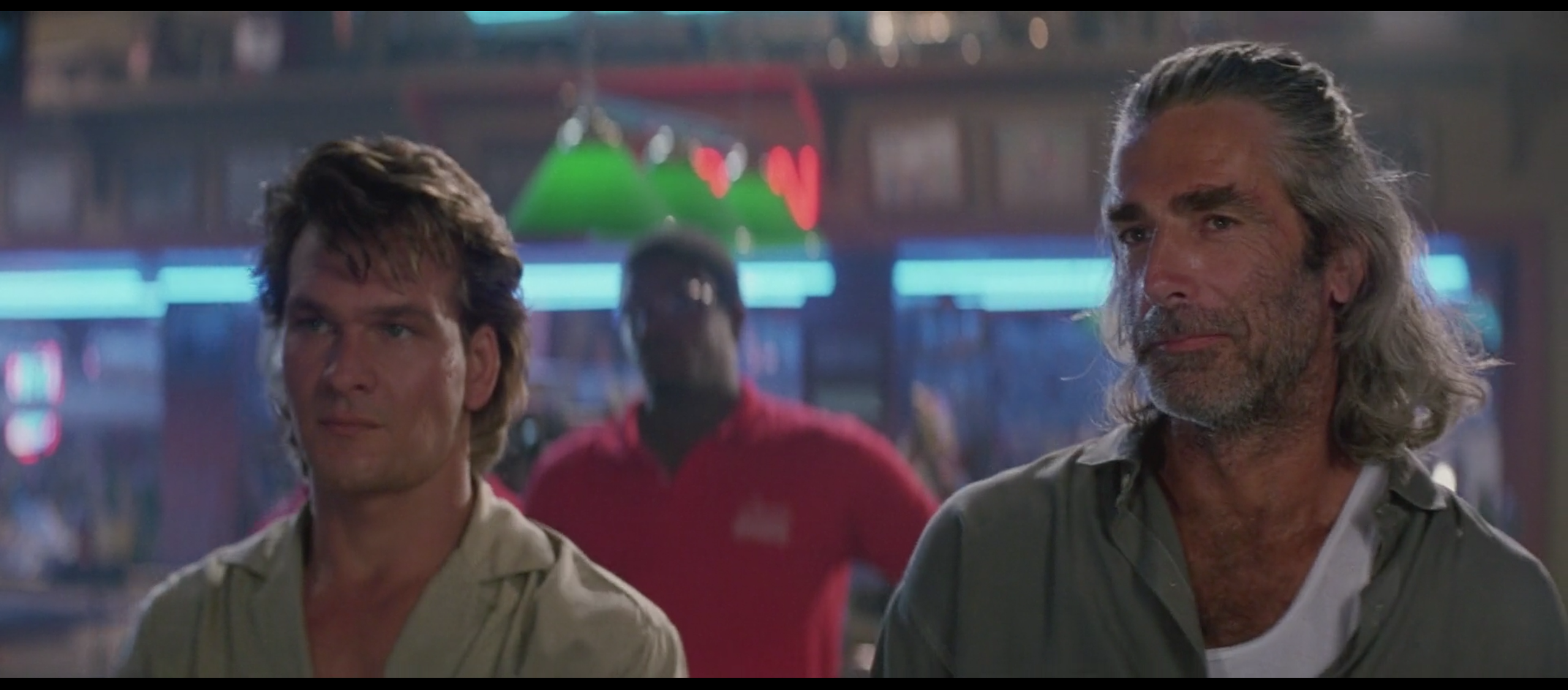
Brad Wesley is not the only character in Road House in whose eyes Dalton is but a boy. Three others label him as such, and they could not be more different in tone and intent.

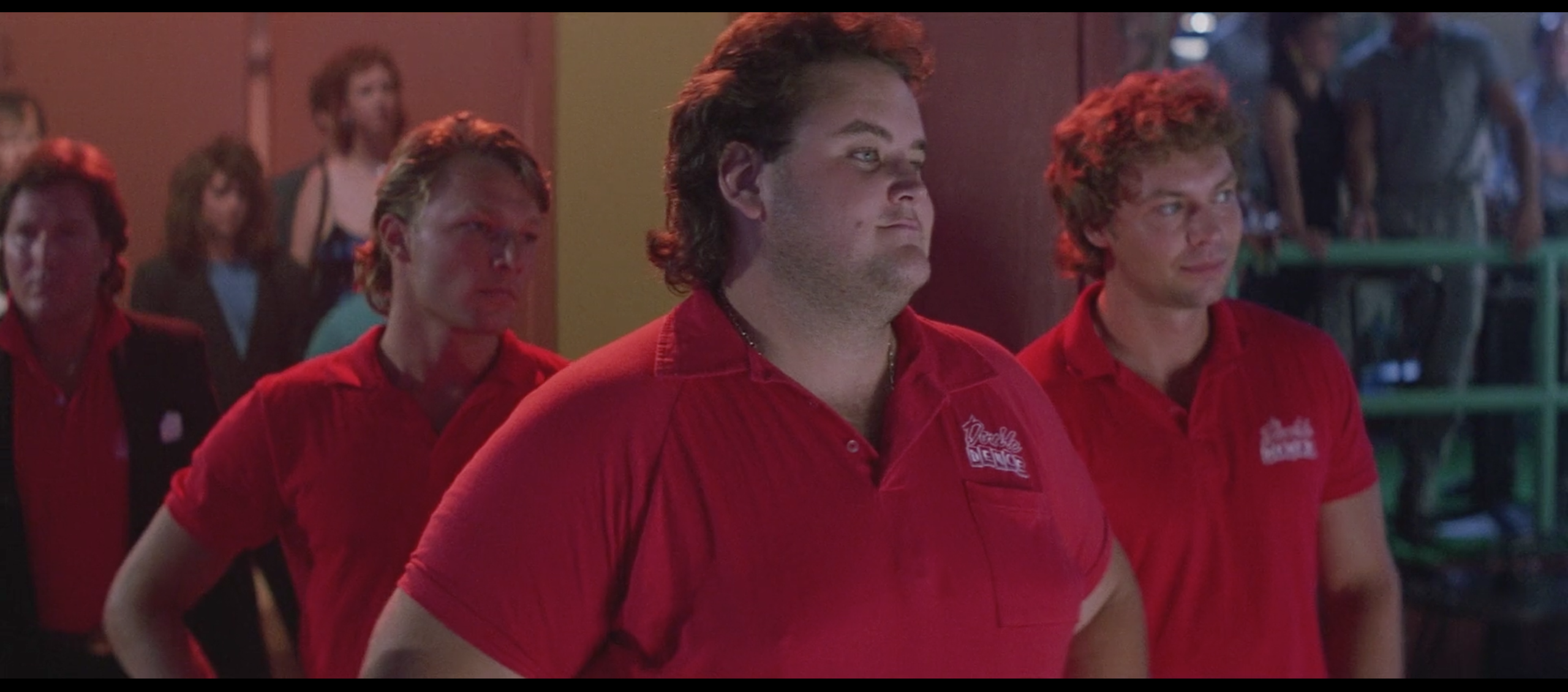
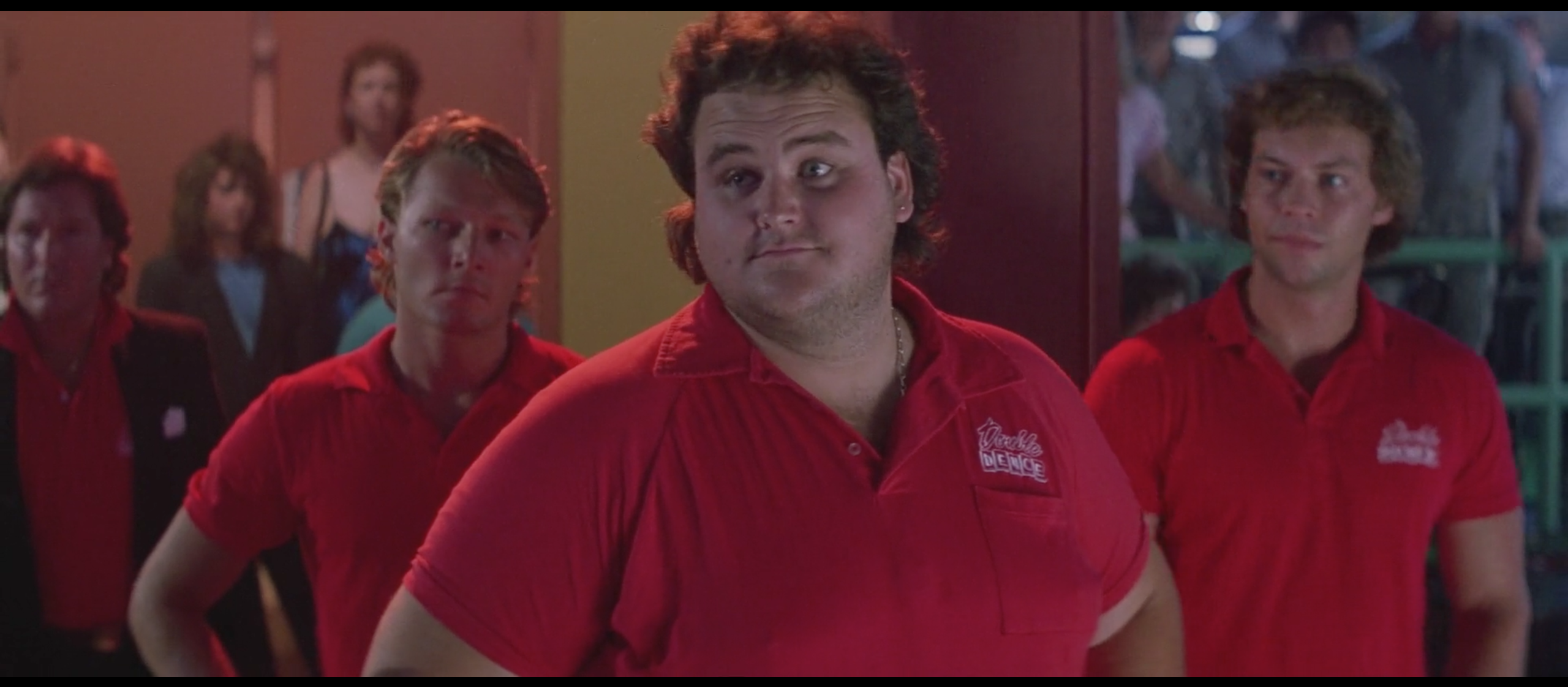
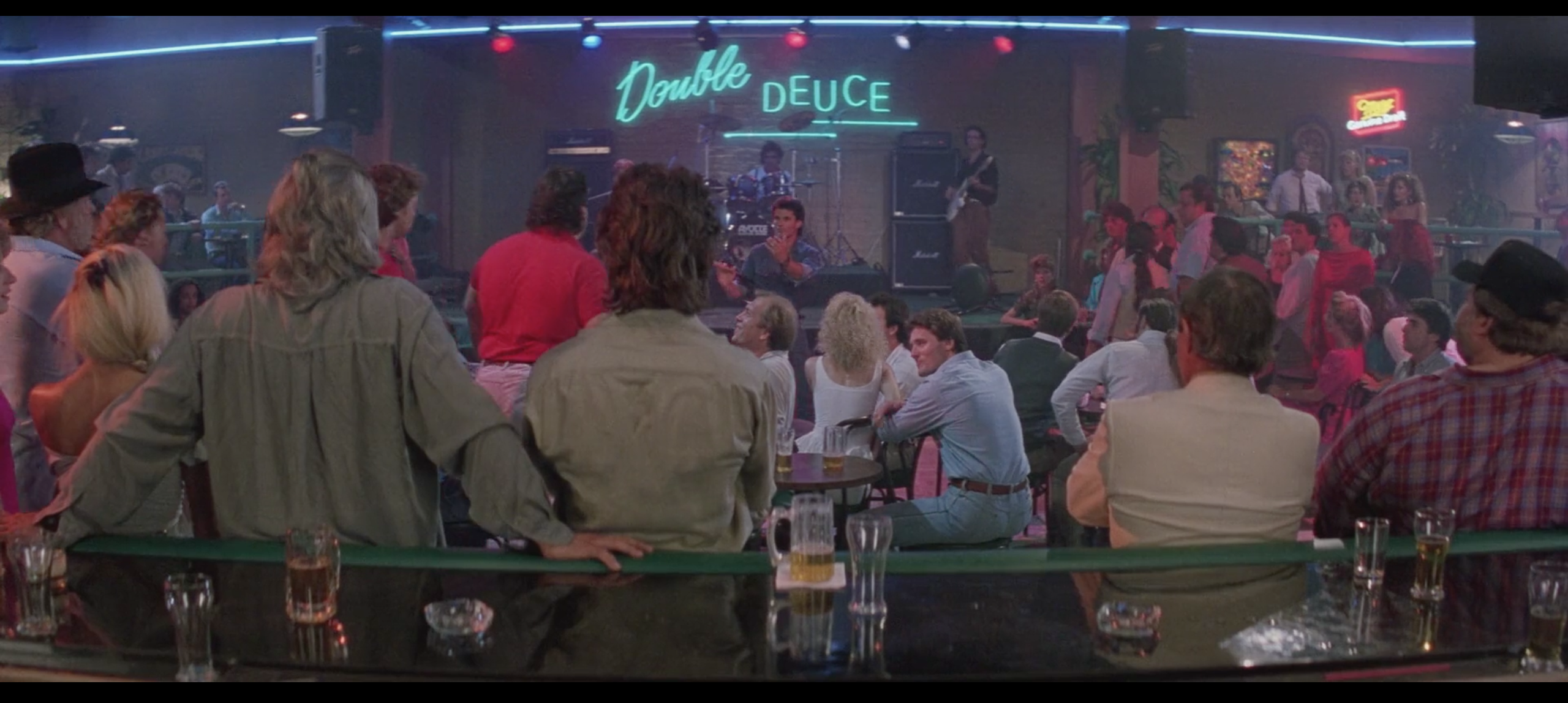
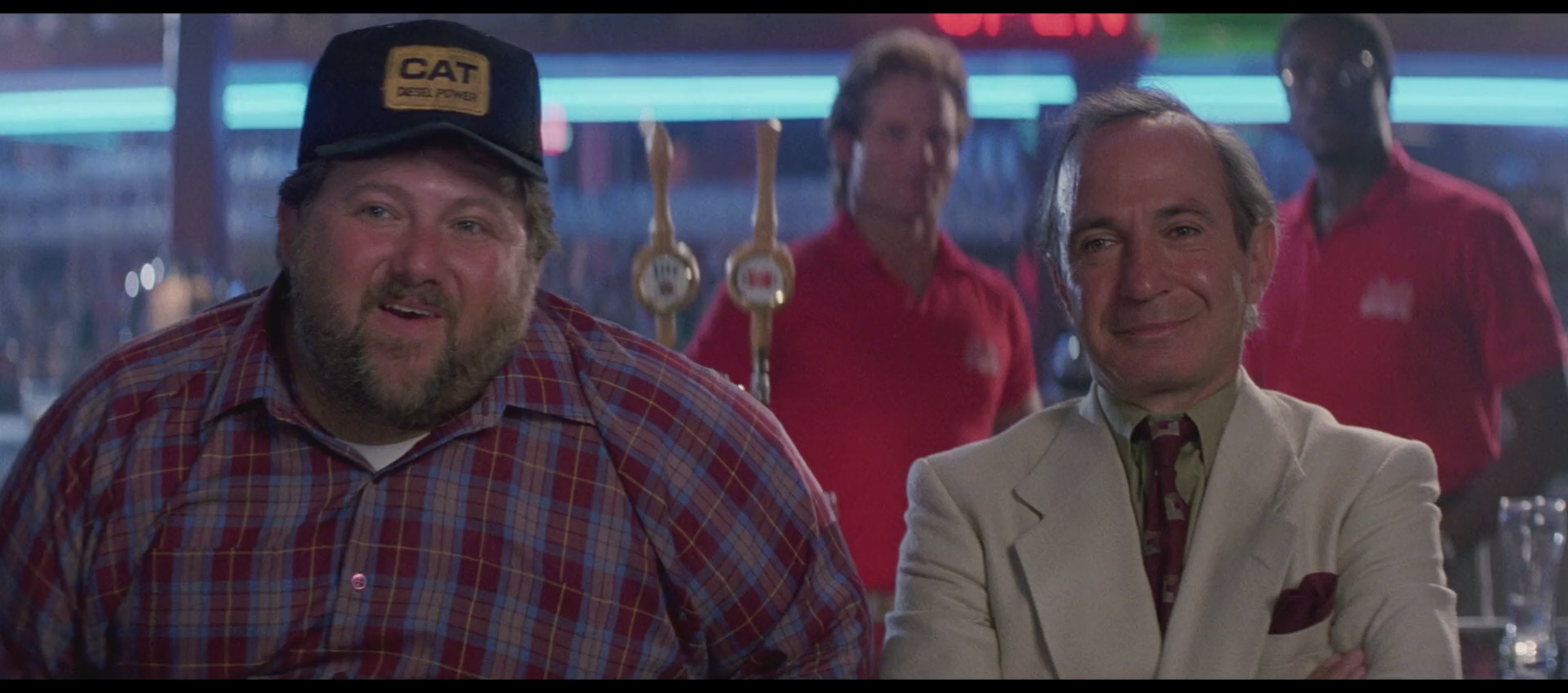
First up is Red Webster, one of the Four Car Salesmen of Jasper, Missouri. An avuncular presence in the film—literally: He is Dr. Elizabeth Clay’s uncle—he asks if Dalton is “the boy from the Double Deuce” when our hero shows up at his store before it opens to have various parts of his car replaced. Just a friendly, getting-to-know-you inquiry, from a guy calling another guy “boy” because he’s younger and he’s just arrived in town. Here, “boy” connotes “newcomer,” someone who is experiencing the world around him with fresh eyes, and who finds himself welcomed by those around him. Excepting the clientele of the Double Deuce as currently constituted, of course.

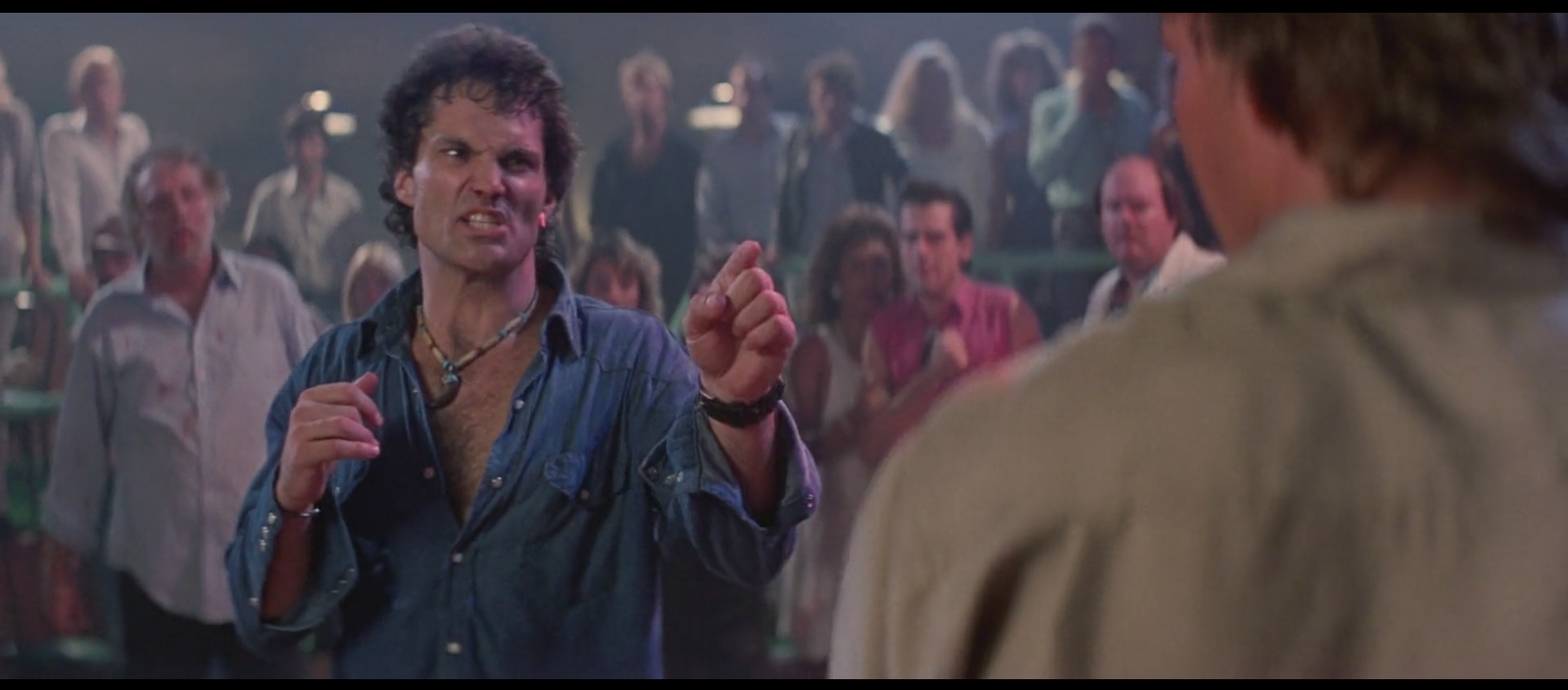
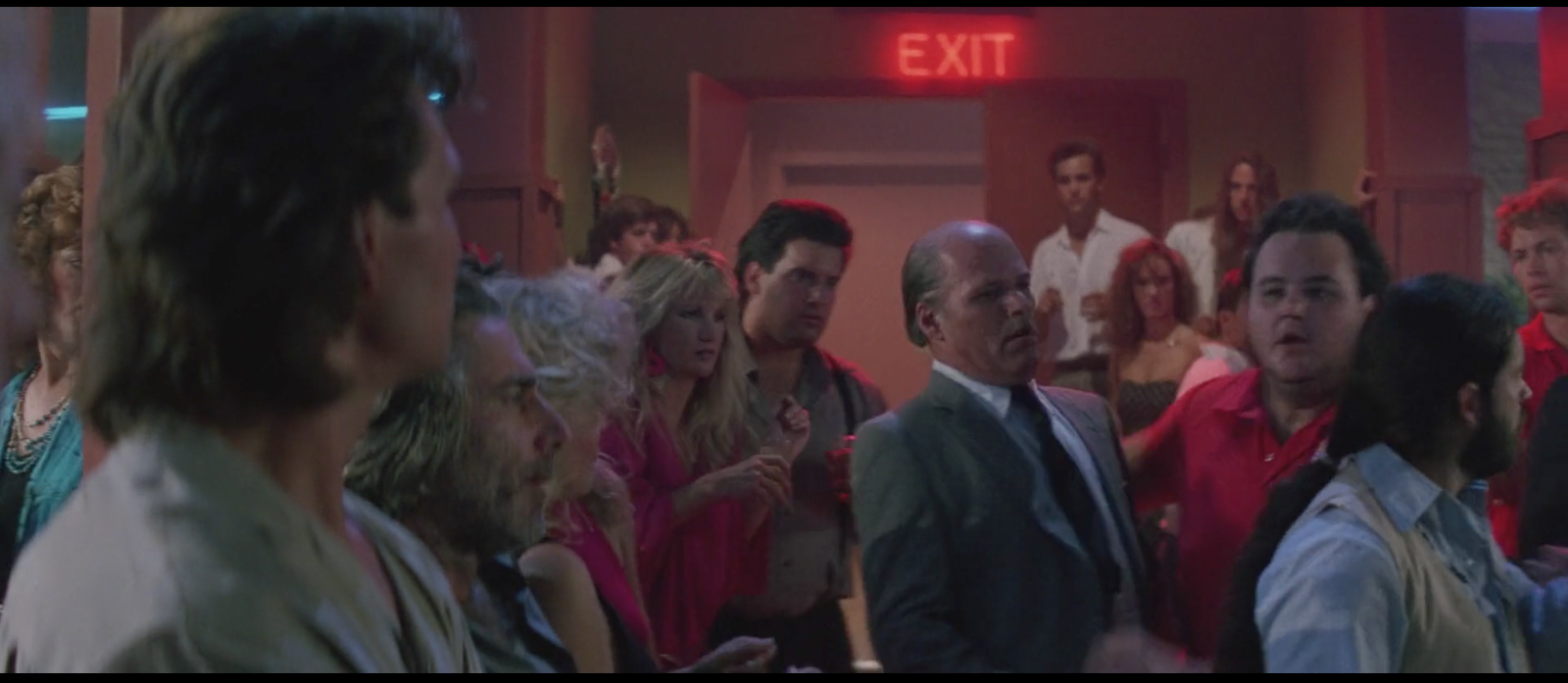
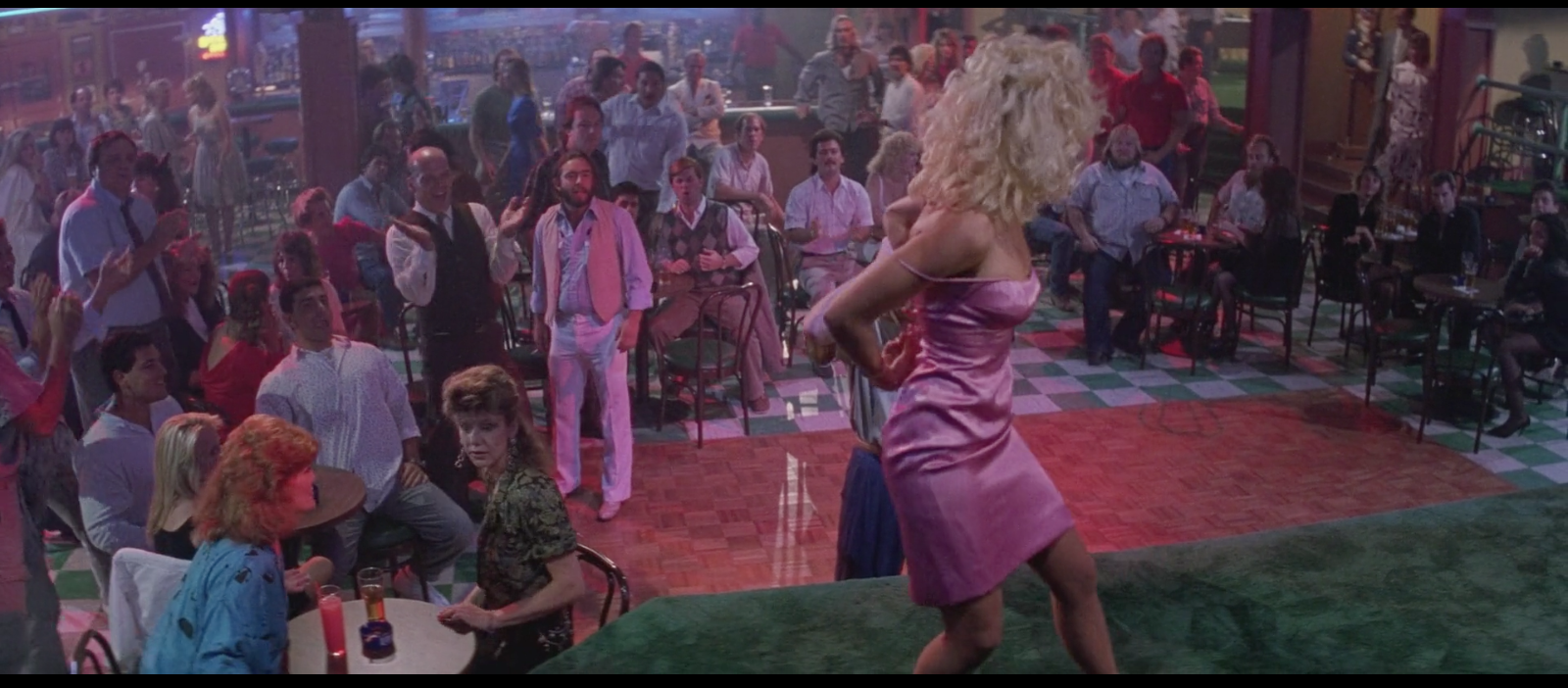
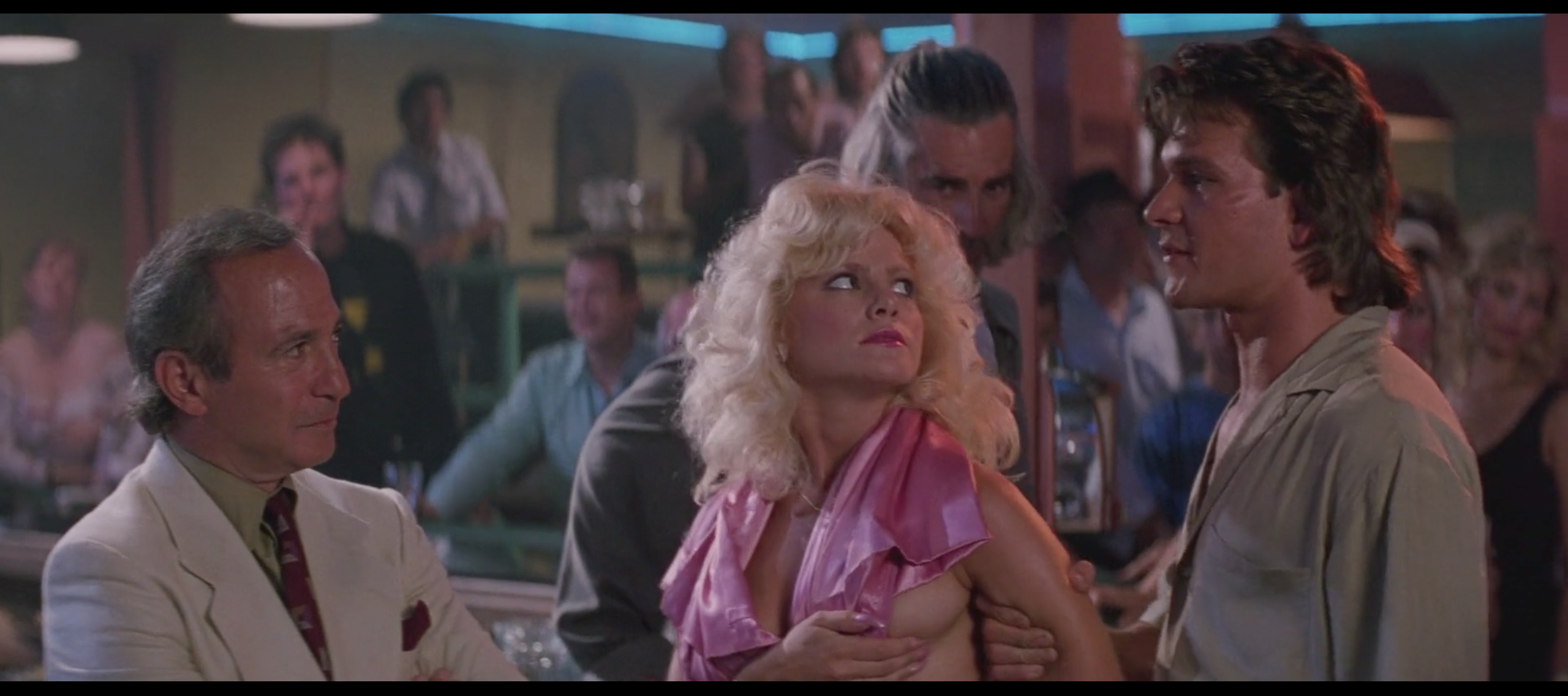
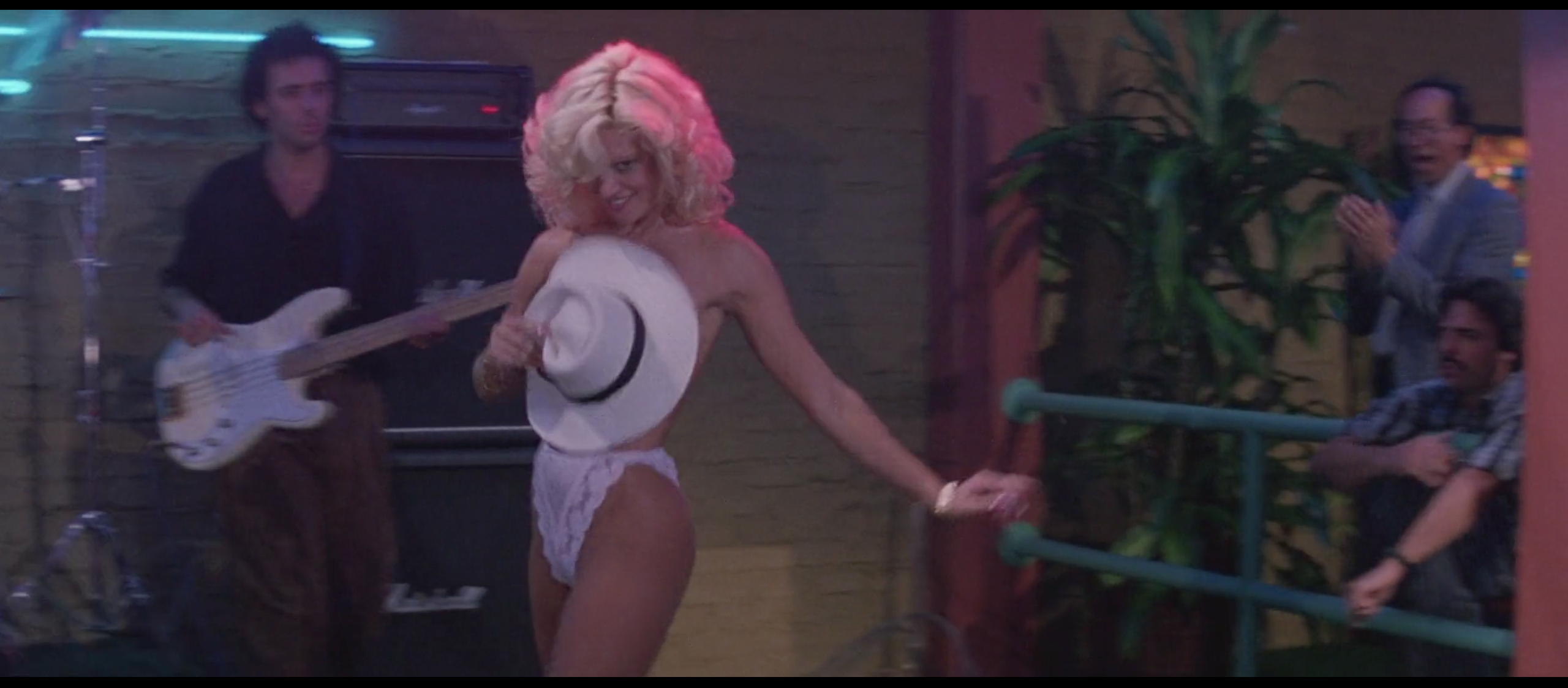
Next is Jimmy, Brad Wesely’s right hand and bastard son [source for this claim?]. “Your ass is mine, boy,” he growls, gesticulating for emphasis in case the owner of the ass of which he is claiming emphasis was unclear. Wesley has just stopped Jimmy from taking on a roughed-up Wade Garrett and a fresh-to-the-fight Dalton 2-to-1 in the Double Deuce, the night Wesley’s men blow up Red Webster’s store and Denise does an aggressive striptease to further assert Wesley’s dominance or something. Here, “boy” means a man less experienced, less tough, less dangerous, less of a man; Jimmy will use the term again when he sneers at Dalton’s fighting prowess during their eventual mano a mano showdown. (His father, spiritually anyway if not biologically, Brad Wesley will pick up the ass-owning baton and run with it, by the way, but not before Jimmy returns to that well implicitly when describing what he used to do to guys like Dalton in prison.)

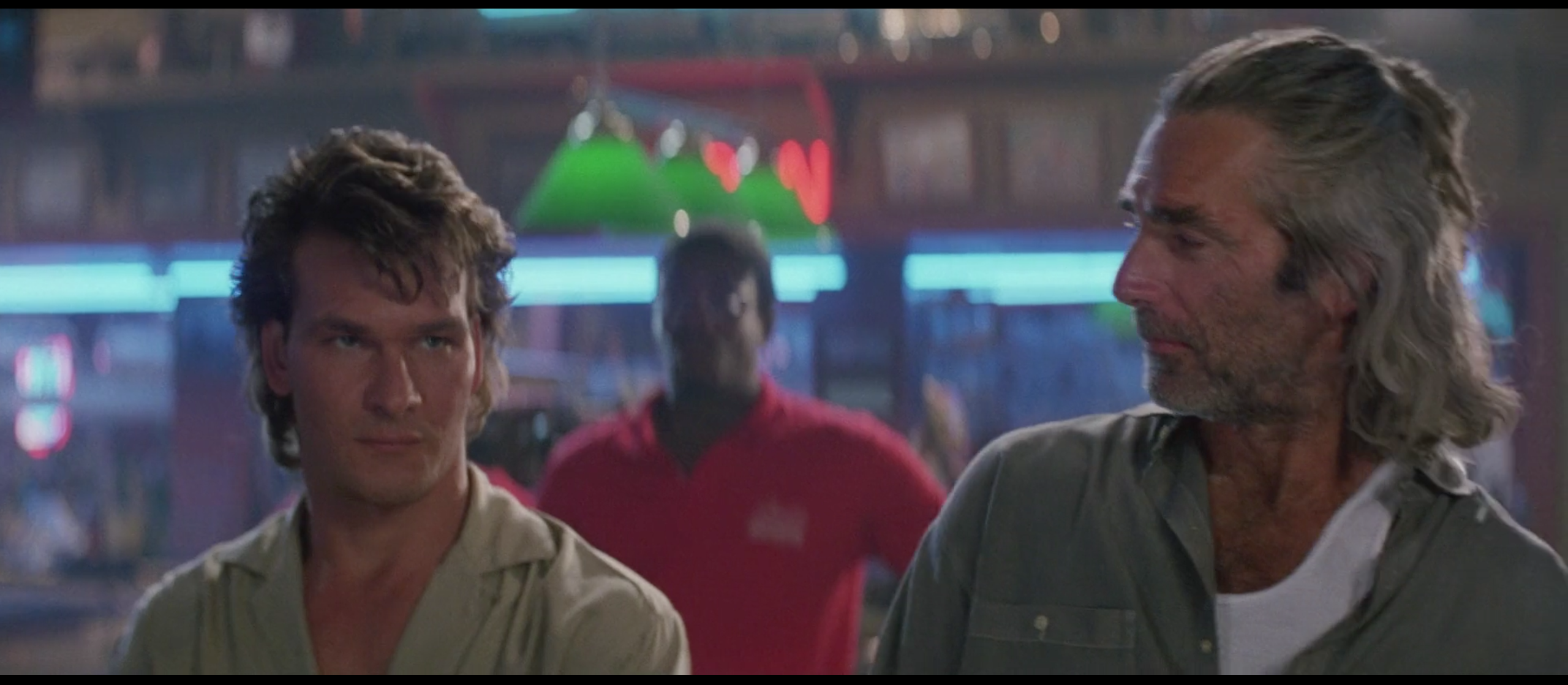
The third and final boy-sayer is Wade Garrett. Staggering into the Double Deuce the night after Dalton kills Jimmy, Wade has been badly wounded in a fight with three unspecified Wesleyan goons. Dalton realizes that if Wade is still alive, it could be that the hammer is slated to fall on Elizabeth. He rushes out to find her, but not before assuring Wade that he will grant his mentor’s wish at last: They will leave this town and never look back, allowing Wesley to win rather than keep up a fight that by rights isn’t theirs. Wade looks up at the younger man and smiles. “Attaboy, mijo,” he says. Mijo, of course, means “son”; this is the “boy” of approval, of pride, of love. This is the “boy” of a dying parent’s love for his only child.

“Dark” thoughts, Season Two, Episode Seven: “The White Devil”

This is how a time-travel story can be used as a metaphor—a barely disguised one at that—for how our own lives can feel like a closed system from which there can be no escape. It’s direct, it’s discomfiting, and it is very dark.

I reviewed the penultimate episode of Dark Season Two for Decider.

179. Smart boy

At the time of Road House‘s filming Patrick Swayze was 36 years old, Ben Gazzara 58. Assuming their characters are the same age that makes Brad Wesley technically old enough to be the younger man’s father, though he’d really have had to make the most of his downtime in Korea to pull it off. Still, 36 is barely a boy’s age in hobbit years, let alone human ones.

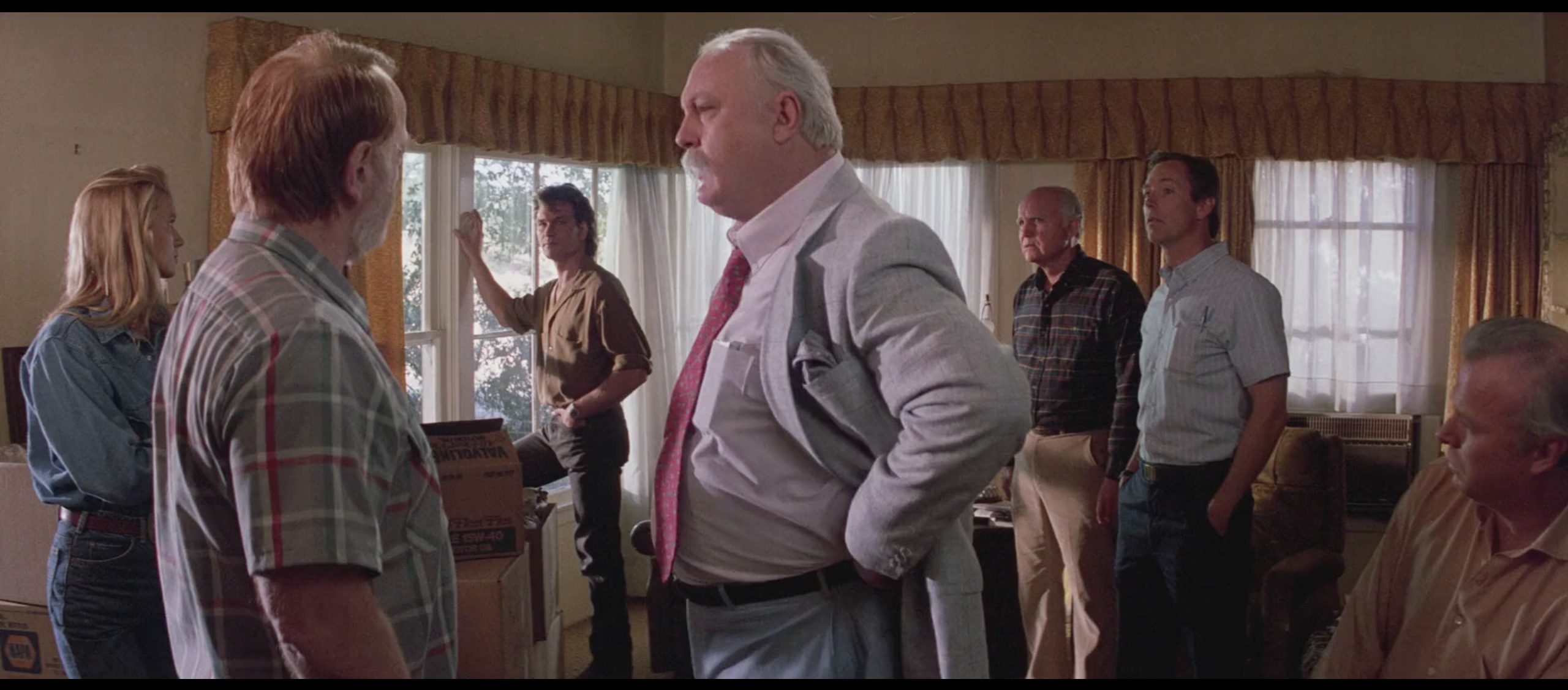
Yet “boy” is the diminutive Wesley chooses to employ when favorably comparing the stalwart cooler to his own asshole grandfather: “But you—you’re a smart boy, aren’t you, Dalton? You’re just not too realistic.” He’s intelligent, but a child. He’s not an asshole like Grandpa Wesley, but he’s not a great man like Brad Wesley either. It’s backhanded compliments all the way down.

Or is it? Wesley repeatedly calls his beloved goons his “boys.” And sure enough, before this conversation is through he offers to hire Dalton to bounce on his behalf. It’s an invitation/initiation into the Lost Boys of Jasper that Dalton leaves on the table, but still. Brad Wesley is the only adult in the room, which makes everyone else children in his eyes. He is also the father of Jasper, Missouri, making everyone else his children in his eyes. His destiny, he says, tells him to gather unto him what is his. Are we all that far afield from Suffer little children, and forbid them not, to come unto me? For theirs is the kingdom of Jasper.

“Dark” thoughts, Season Two, Episode Six: “An Endless Cycle”

From the opening montage to the closing scene, this is a tour de force episode of Dark. The everyday trials and tribulations of the adult and teenage characters are sexy and sad and often both. The Hannah/Ulrich/Katharina triangle of love, lust, friendship, and betrayal clicks in every respect. The beach scenes are funny and hot. The party is both sweet and, knowing what we know about the fates of everyone involved, brutal. Ben Frost’s music, particularly during the Martha/Jonas love scenes, is huge and rapturous, the way doomed young love feels.

And the meeting between Jonas and Michael is powerful and quietly crushing given its outcome. Actors Louis Hofmann, a truly extraordinary talent, and Sebastian Rudolph seem to pour themselves out all over the table where they sit and talk. What’s more, unlike the Ulrich/Mikkel material from the previous episode, the emotional impact of this father/son reunion isn’t hampered in the slightest by relying on sci-fi shenanigans to take place.

It feels like what it is: a son trying to save the man he loves most, a father trying to save the boy he loves most, and the both of them arriving at a decision over who must live and who must die. It takes the toughest decisions we must make as members of a family, as children and as parents, whether we’re ever actually forced to make them or whether they remain the stuff of troubling daydreams and what-ifs, and uses the science-fiction genre to probe that nerve as directly as possible. It does the same with falling in love, with the loss of virginity, with marital infidelity, with motherhood, with couplehood, with friendship. It’s reminiscent of “The Garveys at Their Best,” the standout episode from the first season of HBO’s The Leftovers—the episode that showed that series would become a classic. It’s dynamite. I’m glad it exists.

I reviewed episode six of Dark Season Two for Decider.

178. Phantasmagoria

“Cinema is a language. It can say things—big, abstract things. And I love that about it. I’m not always good with words. Some people are poets and have a beautiful way of saying things with words. But cinema is its own language. And with it you can say so many things, because you’ve got time and sequences. You’ve got dialogue. You’ve got music. You’ve got sound effects. You have so many tools. And you can express a feeling and a thought that can’t be conveyed any other way. It’s a magical medium. For me, it’s so beautiful to think about these pictures and sounds flowing together in time and in sequence, making something that can be done only through cinema. It’s not just words or music—it’s a whole range of elements coming together and making something that didn’t exist before. It’s telling stories. It’s devising a world, an experience, that people cannot have unless they see that film.” —from Catching the Big Fish by David Lynch

177. “You ask anybody, they’ll tell you!”

“Christ, JC Penney is coming here because of me!” gets all the attention, and for good reason. In Road House, the archvillain, a man who employs a small army of hired thugs to blow up buildings with recalcitrant old men in them, touts the arrival of The One-Day Sale—Storewide! as his greatest accomplishment. As my own summary goes, “Road House is the story of one bouncer’s quest to free a small town from the iron fist of the guy who is on the verge of opening the area’s first JC Penney. Over half a dozen men will die for this.” So I get it.

I prefer Casino to GoodFellas. Which is not to say I fail to recognize GoodFellas as Martin Scorsese’s masterpiece of mass entertainment, which I intend as a pure compliment. It’s the movie, not the kind of movie but the movie, that makes people fall in love with cinema. It’s like if the philosopher’s stone was rock candy. It’s a towering achievement. But I prefer Casino to GoodFellas because its interests are closer to my own. It’s grandiose, spectacular, it has a machine logic behind its narrative flow, it has pitiable characters and funny characters but no likeable characters, it’s brutally soul-crushingly violent, the music is maybe even cooler than the music in GoodFellas, it reads as a rejoinder to anyone who thought GoodFellas is about how much fun it is to be in the mafia, which may well have included Scorsese himself. It’s not the colossus GoodFellas is, but it stands taller in my heart.

I’m not sure if I’d go that far in describing the line that follows the JC Penney thing, which is “Ask anybody, they’ll tell you!” because let’s be honest, “Christ, JC Penney is coming here because of me” is the sound of my soul. But do not, do not sleep on that follow-up. Travel inside Brad Wesley’s mind and look out through his eyes at the town of Jasper, Missouri, and what will you see? A bustling hive of simple little people, buzzing with excited gratitude for what Brad Wesley has done for them, awed by its magnitude, eager to spread the good news. Brad Wesley envisions Dalton driving down the main drag, stopping in one of the town’s countless hole-in-the-wall bars and greasy spoons (Jasper is where Diners, Drive-Ins and Dives manifests Guy Fieri’s id as a tulpa), sidling up to one of the Four Car Salesmen, stopping people at the doors of the Double Deuce, grabbing any man jack off the street, chatting up any swinging dick he sees and getting the same response: “Oh, the JC Penney? It were Brad Wesley what done it.” Like Boromir or Samwise Gamgee contemplating a world in which the Ring gives them Command, Brad Wesley envisions the masses roiling with department-store ecstasy from sea to shining sea, his name rolling off their tongues like glossolalia. Children by the million sing for Brad Wesley bringing JC Penney to Jasper when he comes round. I’m in love. What’s that store? I’m in love with that store.

“Dark” thoughts, Season Two, Episode Five: “Lost and Found”

Adding an entire working theory of theology, theodicy, and the nature of the universe to, y’know, families in the German suburbs being torn apart by time travel, episode five of DarkSeason Two offers a lot to ponder, from plot to philosophy. It offers an eye-opening look at both the tactics and the worldview of Adam, the prime mover of Winden’s cross-generational “war” for control of time and the wormholes within it. Yet it muddies up some of the show’s more directly effective and affecting interpersonal elements.

I reviewed episode five of Dark Season Two for Decider.

“Too Old to Die Young” thoughts, Season One, Episode Five: “The Fool”

Let us sing the praises of James Urbaniak, whose dark energy in “The Fool,” the riveting fifth episode of Nicholas Winding Refn and Ed Brubaker’s currently peerless crime drama, is powerful enough to fuel the goddamn Death Star.

I reviewed episode five of Too Old to Die Young for Decider.

“Dark” thoughts, Season Two, Episode Four: “The Travelers”

“The Travelers” brings us to the halfway point of Dark‘s strong second season, and the music of composer Ben Frost is our company on the journey. An experimentalist whose musical and geographical travels have taken him far and wide, and who’s spent time working with venerable avant-rock superproducers Brian Eno and Steve Albini (just don’t call them superproducers to their faces), Frost’s work in this episode is a sanity-testing tide basin of shrieks and thrums and tones of alarm. It’s reminiscent of Brian Reitzell’s confrontational work on Bryan Fuller’s Hannibal, or the collaborative soundscape produced by Angelo Badalamenti, Dean Hurley, and David Lynch on Lynch and Mark Frost’s Twin Peaks: The Return. Not just sonically, either: Dark continues to make the case that it’s the best genre drama Netflix has put out yet. If it’s not on Hannibal‘s level, much less Twin Peaks‘s, it has no reason to be shy about standing in their company.

I reviewed episode four of Dark Season Two for Decider.

“Too Old to Die Young” thoughts, Season One, Episode Four: “The Tower”

The fourth installment of Nicholas Winding Refn and Ed Brubaker’s extended meditation on the evil that men do is one of the most unnerving episodes of television in recent memory. I’d put it up there with any highlight you’d care to name from The Terror, The Act, Channel ZeroThe Assassination of Gianni Versace: American Crime Story, and even the gut-churning war-crime climax of Game of Thrones.

I reviewed episode four of Too Old to Die Young for Decider.

176. Human

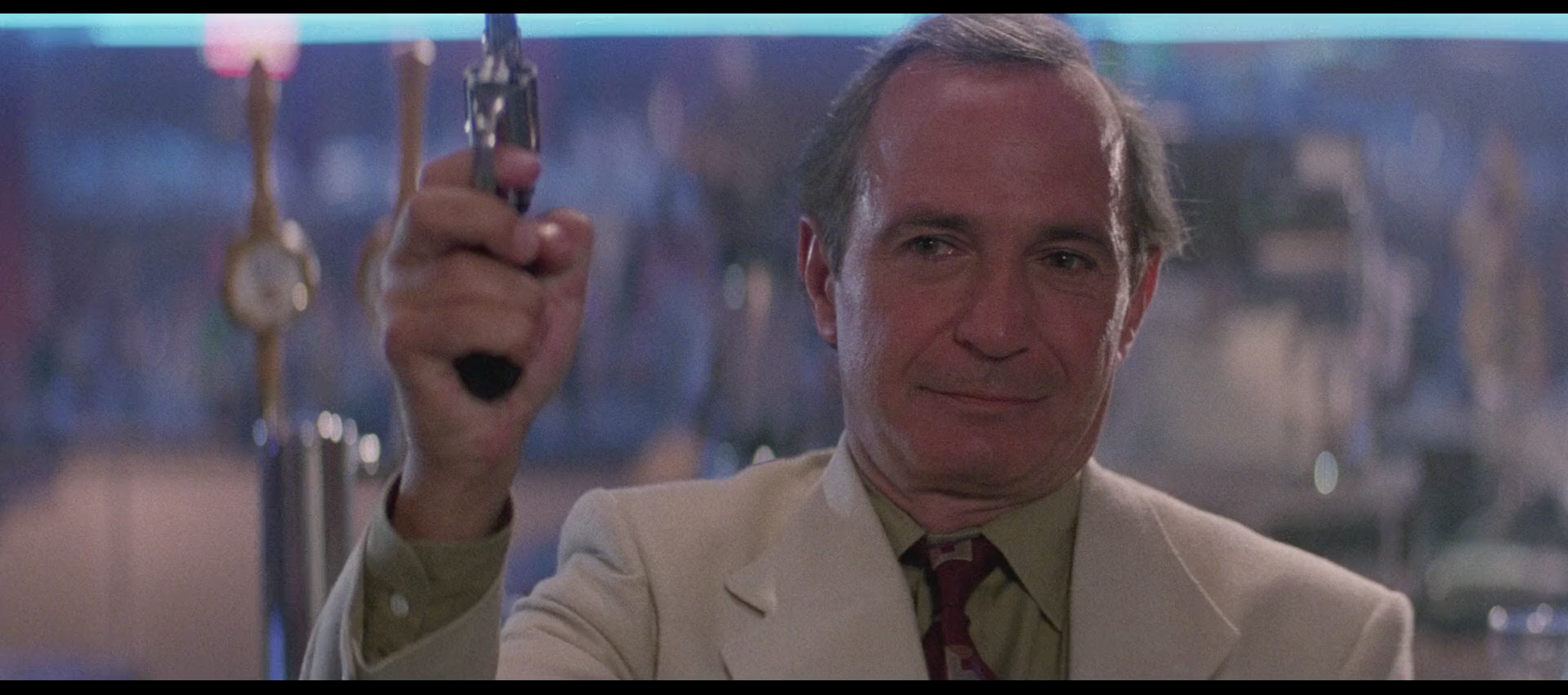
“Oh Christ,” says Brad Wesley to Dalton, “you get paid for beating people up! Tell me you don’t love it. Of course you do! You wouldn’t be human if you didn’t!” It’s a revealing moment for two reasons. First, it’s the third time in this scene alone that Wesley has employed his favorite blasphemous expletive. I’m going to assume that “Ben, you said ‘Christ’ three times that take, do you think we can go again” was not going to cut any ice on that particular set, so there’s that, but recall which character spreads a gospel with a wound in his side. Second, Brad Wesley’s defining characteristic of humanity is the enjoyment of establishing dominance by inflicting pain, particularly in exchange for cash. This squares with everything we know about him: hiring goons to strong-arm the other weird old men who own businesses around town, beating his girlfriend, citing his survival of “Korea” and “the streets of Chicago” as the sole points of interest in his pre-Jasper biography, festooning his home with the stuffed corpses of literally dozens of different slain animals. (Trust me, you haven’t seen the half of it.) If Dalton needed any more evidence that this is a man who cannot be negotiated with, he has it now. But third, when you turn it around in your mind, you can see it as proof that he does care about his “boys,” the goons. If getting paid to beat people up is a way to do what you love and love what you do, if it proves your essential humanity, then what a gift he has bestowed upon Jimmy, Ketchum, Karpis, O’Connor, Tinker, Morgan, Mountain, and his sister-son Pat McGurn, all of whom he pays to beat people up. For Brad so loved the goons, that he gave his only begotten cash, that whosoever worketh for him should not perish, but have everlasting life.

“Dark” thoughts, Season Two, Episode Three: “Ghosts”

Time travel, kidnappings, cancer, nuclear apocalypse—yes, sure, all well and good. But for this review of Dark, I’d like to start out by showcasing some acting. That’s an advantage of having two or three different actors play every single character at different times in their lives, right? There’s a lot more acting to go around!

I don’t mean to make light of it, either. “Ghosts,” the third episode of the German Netflix drama’s second season, shows how important the cast is to making this crazy-on-paper project work. Following young, adult, and old versions of characters spread across a hundred-year timespan, often interacting with each other anachronistically and even starting whole new lives out of sync, is demanding work for the audience. Rooting that work in the happiness, sadness, and shame of the characters—making them people, not plot devices—is the secret of the show’s success.

I reviewed episode three of Dark Season Two for Decider.

“Too Old to Die Young” thoughts, Season One, Episode Three: “The Hermit”

Titled “The Hermit” after the corresponding card from the tarot (that’s where every episode gets its moniker), the third exquisite installment of Nicholas Winding Refn and Ed Brubaker’s Too Old to Die Young has only one thing wrong with it that I can see: It could have been longer.

I reviewed episode three of Too Old to Die Young for Decider.

175. “You bet your ass I have”

About the only time I find Brad Wesley appealing as a person, not just entertaining but “ha, this guy’s alright,” is when he laughs and admits he’s robbing the town of Jasper blind. By now you know his litany of achievement: In the name of the 7-Eleven, the Fotomat, and the JC Penney, Amen. After he runs through the catechism, Dalton observes that he’s gotten rich off the locals, intending it to be a charge of parasitism delivered as a balls-and-strikes observation. Wesley doesn’t give half a shit how Dalton intended it, since it’s true, and he can afford to admit it. He grins and chuckles and says in Ben Gazzara’s bullfrog rumble “You bet your ass I have.” He goes on from there, announcing he’s going to get richer, that acquisitive wealth is his destiny, that he’s gathering unto him—he says “gather unto me” in so many words, amazingly—what is his. But that’s the whip cream and the sprinkles and the hot fudge and the maraschino cherry on top. The real banana split of the thing here is straight-up laughing at a guy’s attempt to own him for making money by taking it from other people and going “yeah, and?” You don’t need to admire what he’s doing to appreciate the well-deserved self-confidence with which he’s doing it. I hear Dalton’s braggadocio when he talks to his assembled bouncers about how it’s his way or the high way, with none of the “well gee I suspect it’s always been that way, when a feller earns hisself a degree from NYU and needs to make a livin'” faux humility he serves up elsewhere. I hear my talented and brilliant friends when they’re like “Fuck off, I’m talented and brilliant and deserve to be recognized as such,” one of my favorite things that any of my talented and brilliant friends ever do. They are, and they do, and others should indeed fuck off. Unfortunately for all concerned Brad Wesley isn’t a TV critic or a cartoonist, he’s a gangster who’s willing to lie, steal, and even kill if it means Jasper gets a Sam Goody. But in this way, and possibly only this way, I like the cut of the man’s jib. Alright, this way and the way in which he swerves all over the road while singing “Sh-Boom.” Those two ways.

174. Ozymandias


I met a traveller from an antique land,
Who said—“Two vast and trunkless legs of stone
Stand in the desert. . . . Near them, on the sand,
Half sunk a shattered visage lies, whose frown,
And wrinkled lip, and sneer of cold command,
Tell that its sculptor well those passions read
Which yet survive, stamped on these lifeless things,
The hand that mocked them, and the heart that fed;
And on the pedestal, these words appear:
‘I brought the mall here, I got the 7-Eleven, I got the Fotomat here;
Christ, JC Penney is coming here because of me! You ask anybody, they’ll tell you!’
Nothing beside remains. Round the decay
Of that colossal Wreck, boundless and bare
The lone and level sands stretch far away.”

“Dark” thoughts, Season Two, Episode Two: “Dark Matter”

As always, getting through the raw plot of the show takes up a lot of column inches. But don’t let it take up all the storage space your brain has allotted for the show. While the family tree is a maze of brambles and the timelines look like the tangle of wires connecting your TV to your Xbox, the emotions are recognizable and real. Feeling like you don’t really know the people who are supposed to love you; feeling like you’re trapped in a great cosmic fuck-up and the only way to be happy is to try to just ignore it; feeling powerless to stop oncoming tragedies both great and small—that’s the stuff this show is working with, the stuff it really cares about. It’s dark matter indeed.

I reviewed episode two of Dark Season Two for Decider.


“Dark” thoughts, Season Two, Episode One: “Beginnings and Endings”

Easily one of the most thematically ambitious dramas Netflix has produced (in any language), and certainly the most narratively complicated one, Dark has returned after a year and a half for a second season of sci-fi and sadness in the woody suburbs of Germany. It does so without making the slightest concession to the notion of jumping-on points for viewers coming to the second season fresh. This is not that kind of show. If you want to get the most out of Dark—if you want to get anything out of Dark—you’d better start from the beginning. This is a journey you have to follow every step of the way.

I reviewed the premiere of Dark Season Two on Netflix for Decider. It’s the network’s best show, give or take a Suburra: Blood on Rome

(NB: Descriptions in these link posts will be minimal due to me playing catch-up. I guess you’ll just have to go read the reviews!)

172. Lebowski (III): Korea

Brad Wesley may bear a closer to resemblance to a very different captain of a very different industry from The Big Lewbowski, but in recasting the Korean War as a crucible for personal growth rather than the grotesque slaughter of a country by warring empires he has more in common with Jeffrey Lebowski than with Jackie Treehorn. (As far as we know, anyway; it’s entirely possible Jackie Treehorn froze his dick off in early 1951, leading to his belief that the brain is the biggest erogenous zone.)

When Wesley came to Jasper after Korea, he tells Dalton, there was nothing. His ambition stems, then, from a kind of horror vacui; this would account for his work in the area as a developer, entrepreneur, and establisher of the area’s first Slurpee machine, and it may stem from his experience with privation during that grim time overseas. For the Big Lebowski, Korea afforded him the chance to tell a non-sob-story sob story, about how a gentleman from the People’s Republic cost him his legs, but excuse me sir, spare me the pity and hold back the handouts, everything he’s done since is a testament to his indomitable will to achieve, legs or no.

In both cases the Korean Character-Building Exercise did precisely nothing to make either of these men worth more than a pisshole in a snowbank. Lebowski married into money, and his avant-garde artist daughter Maude allows him the fig leaf of a charitable foundation and a trophy wife to keep him from blowing her late mother’s fortune. Wesley built a mall and some strip-mall stores and hires semi-competent legbreakers to bust up auto-repair shops and dive bars to keep the locals in line. Both men wind up lying on the floor of their own palatial homes in humiliation and defeat by the end of their respective films, though Lebowski at least is still a going concern afterwards, which is more than we can say for Jasper’s JC Penney baron. The paths of glory lead but to Frank Tilghman’s shotgun and Walter Sobchak’s misdiagnosis of paraplegia.