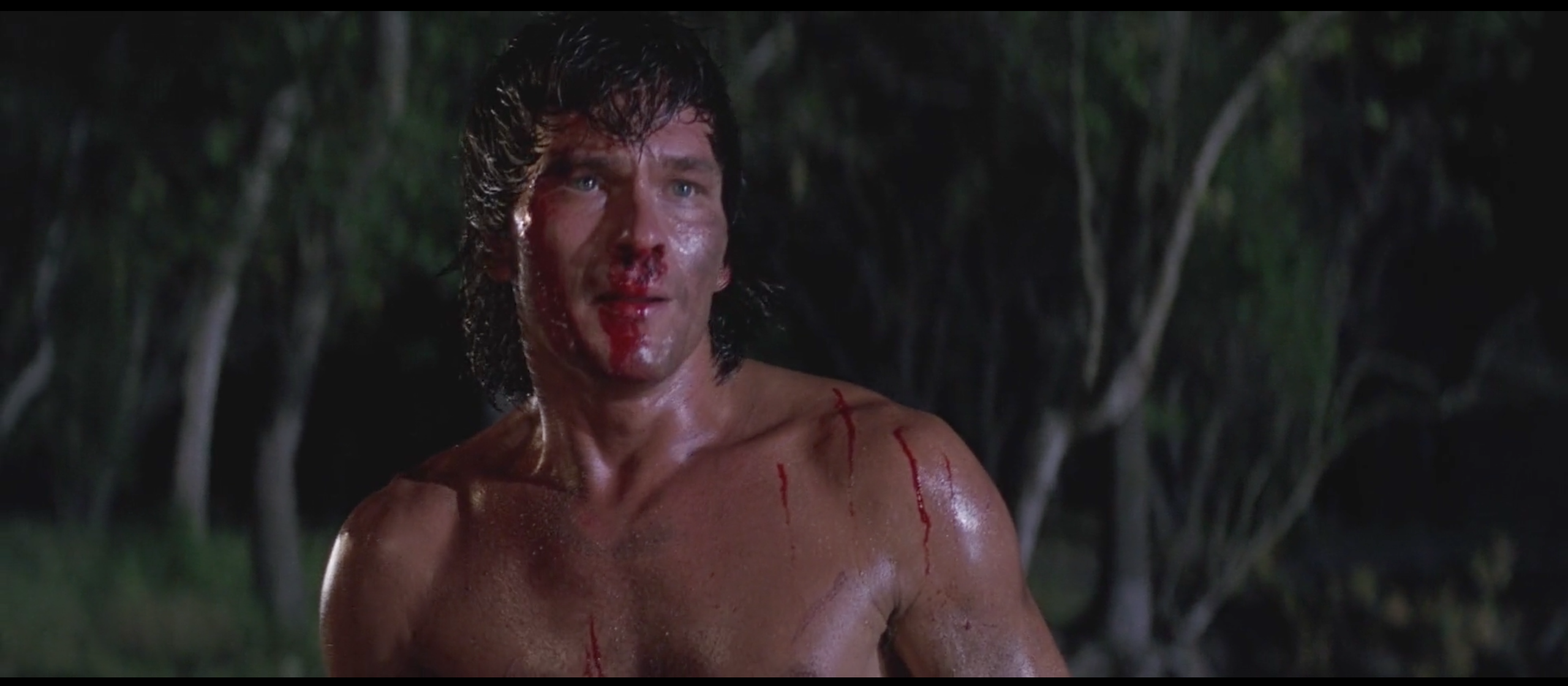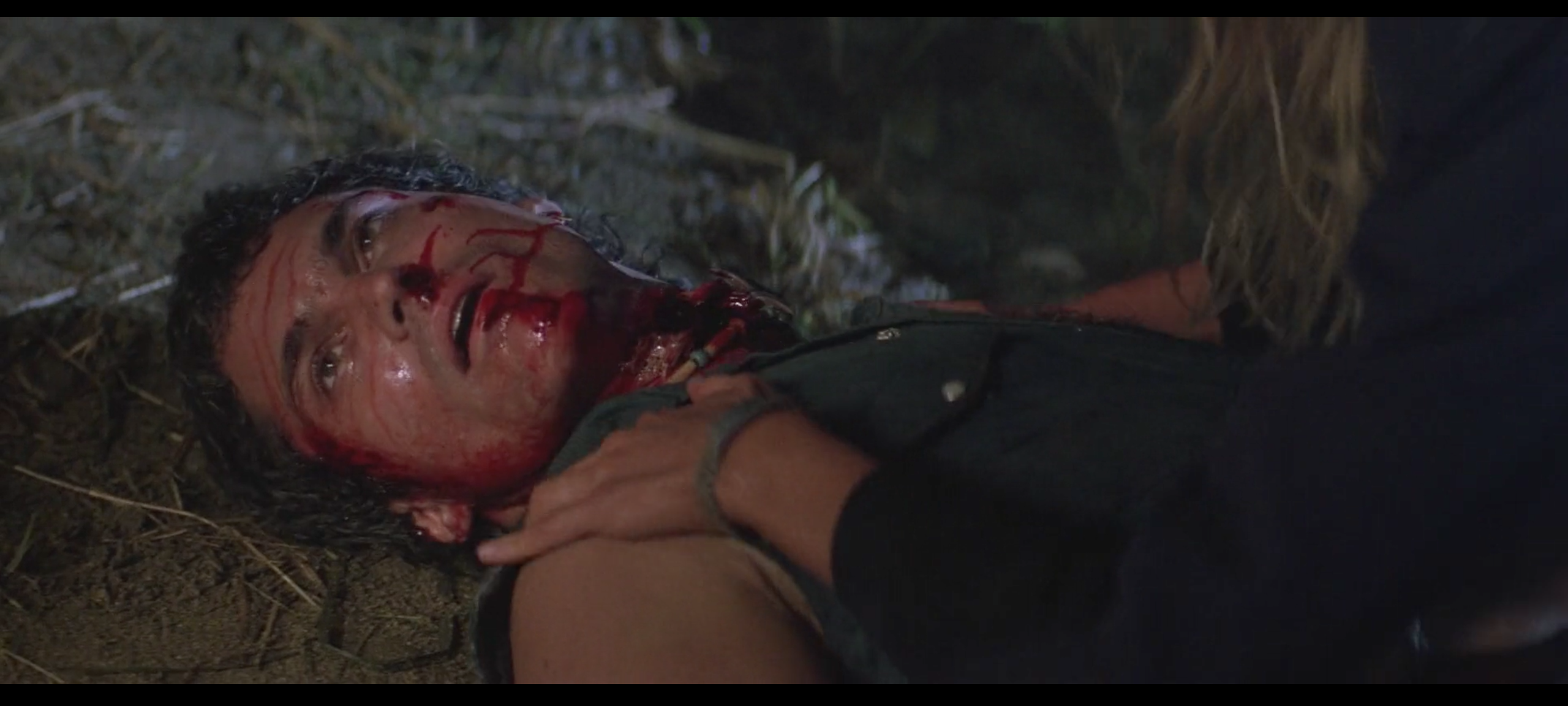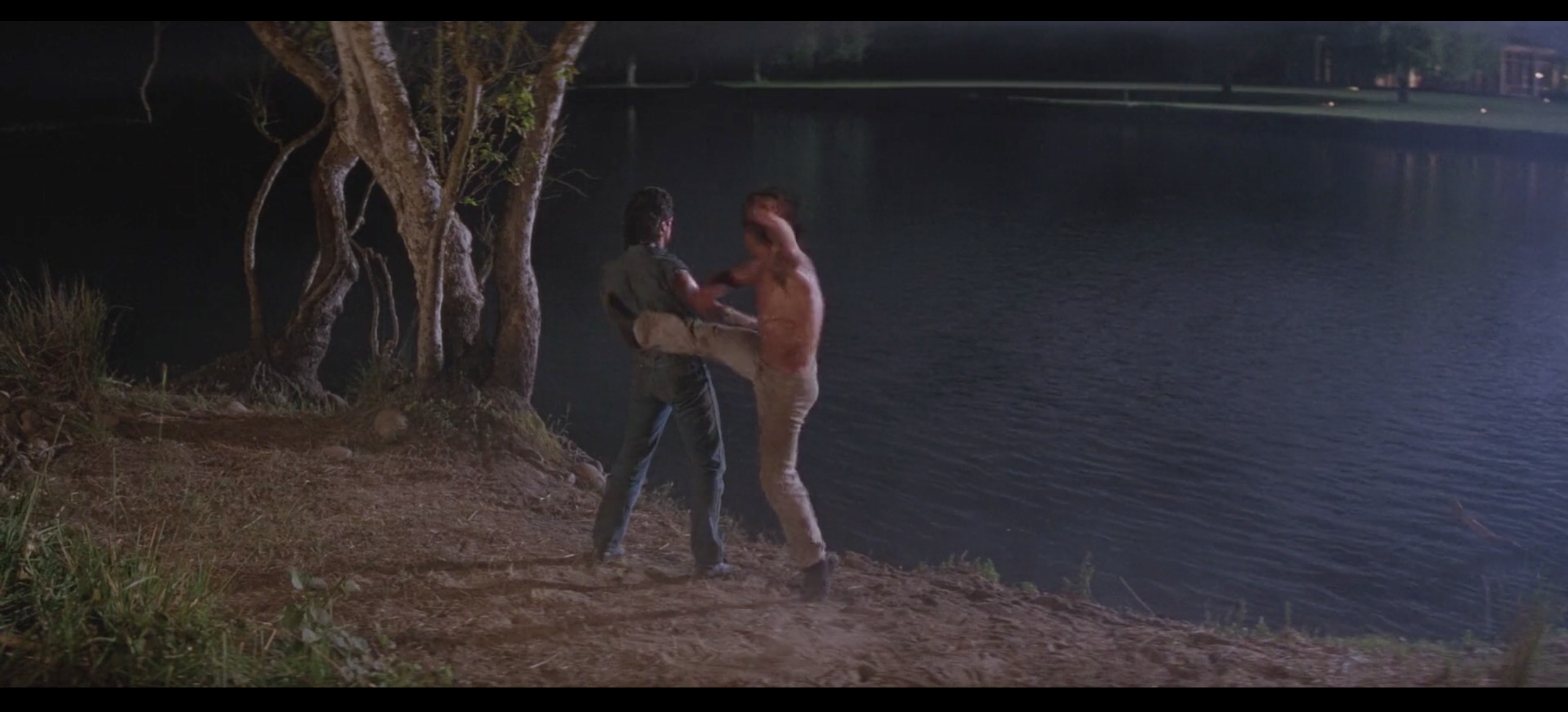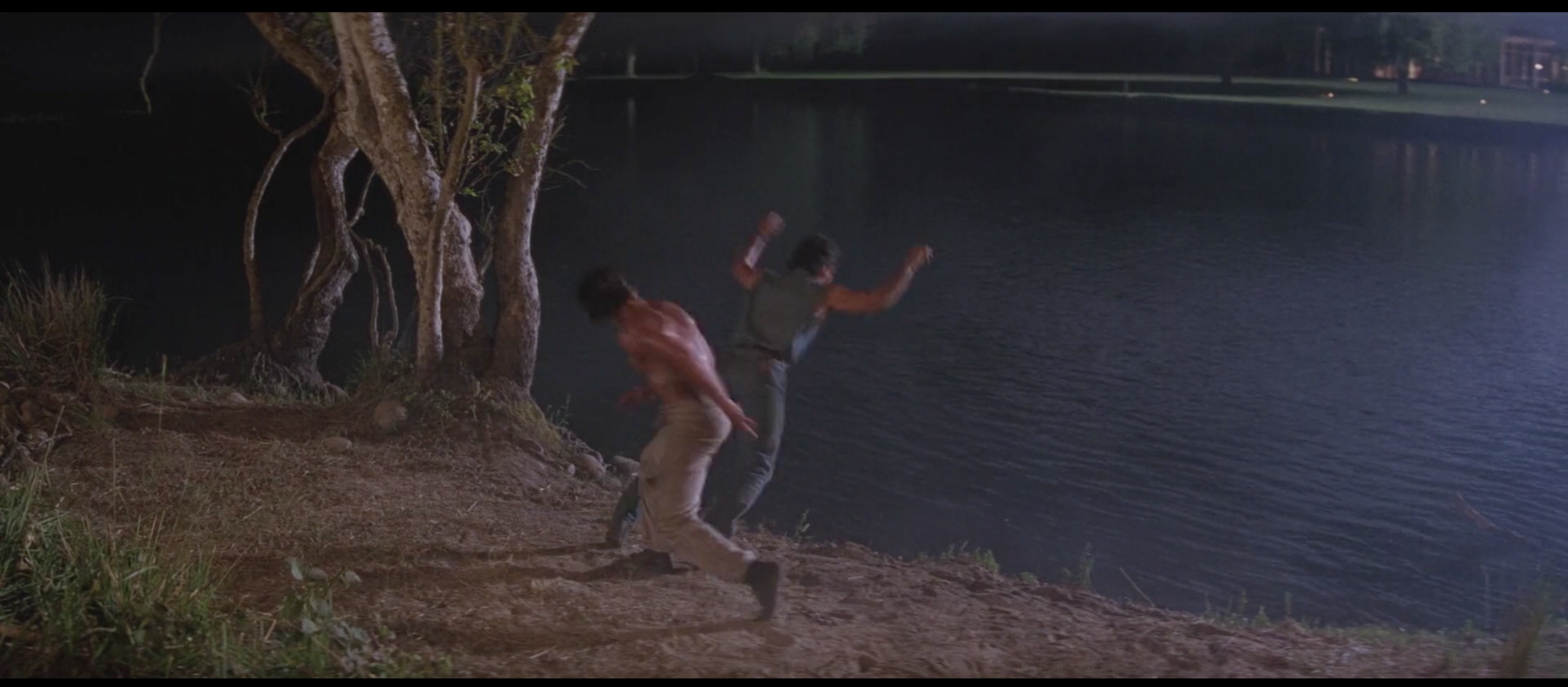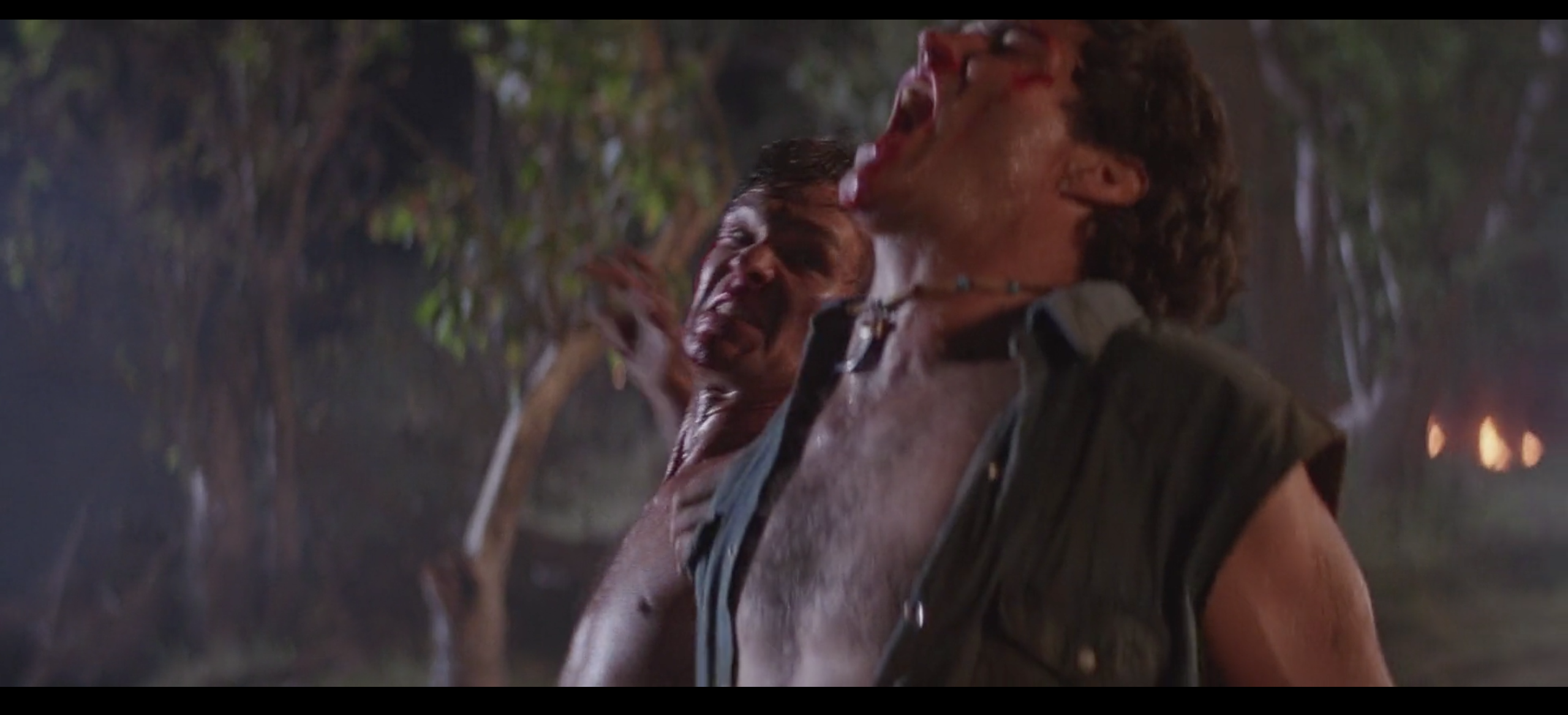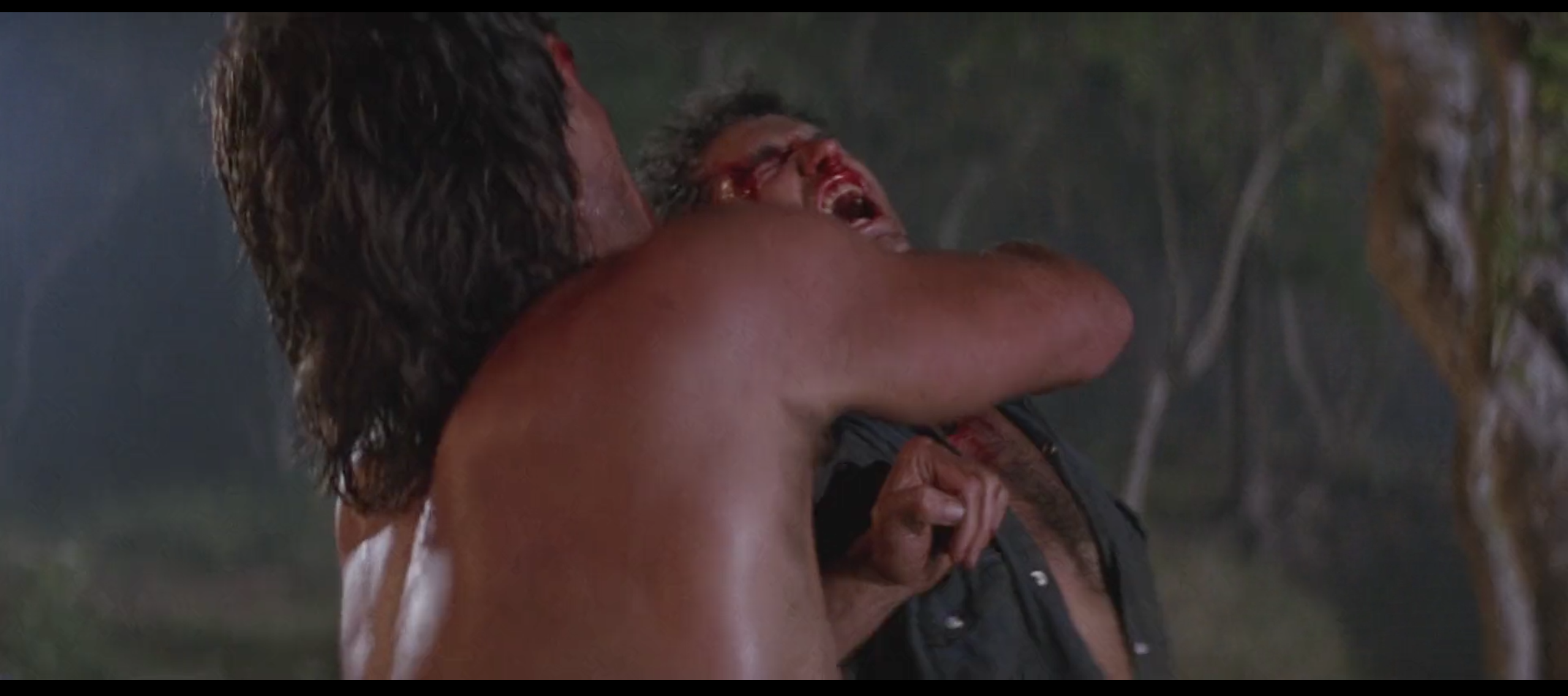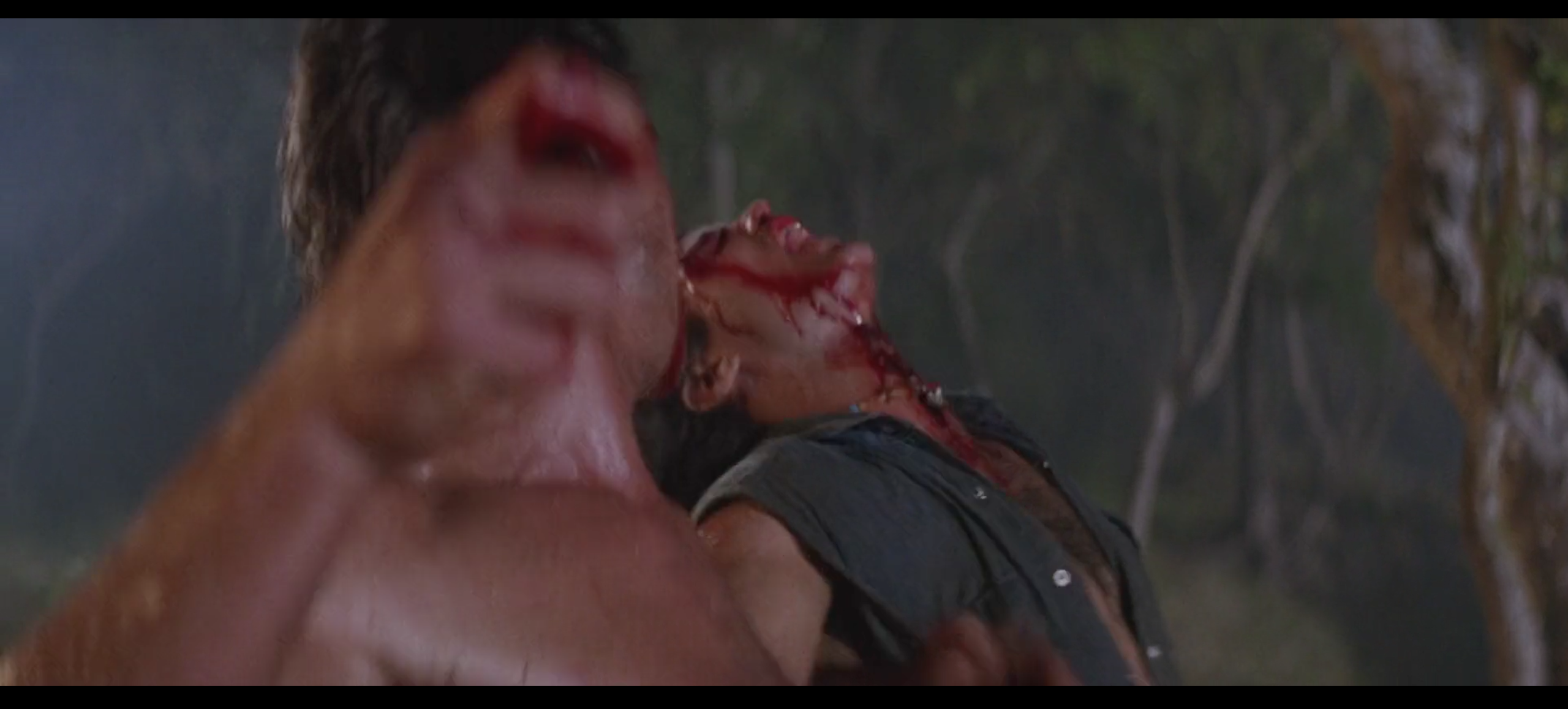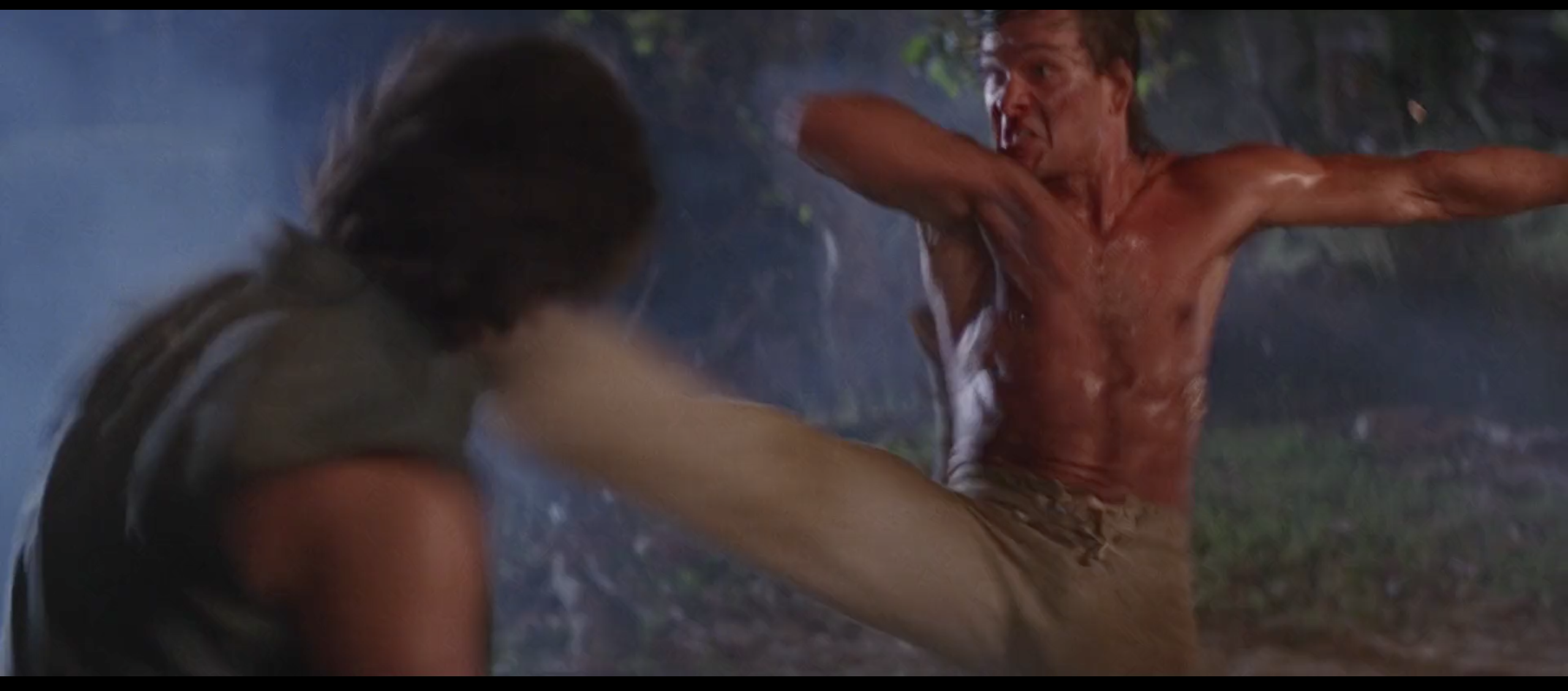
“Succession” thoughts, Season Two, Episode One: “The Summer Palace”

Ah yes, television, that escapist medium we turn to for respite from the real world. Instead of watching the rich and powerful loot everyone else and getting sad about it, we can switch on Succession to watch the rich and powerful loot everyone else and have a few laughs!

Or try to, anyway. After a buzzworthy first season (the reach of which far exceeded its grasp), Succession returns for another look at the life of Rupert Murdoch stand-in Logan Roy (Brian Cox), his chief failson and would-be successor Kendall (Jeremy Strong), and the rest of their relatives and retinue. The premiere, titled “The Summer Palace” after the very smelly mansion in which much of it takes place (we’ll get to that), is the kind of thing you’ll like a lot if you liked this kind of thing the last time around. Skeptics, and I’ll cop to being one, will find the same frustrations.

I’m covering Succession for Decider again this year, starting with my review of the season premiere.

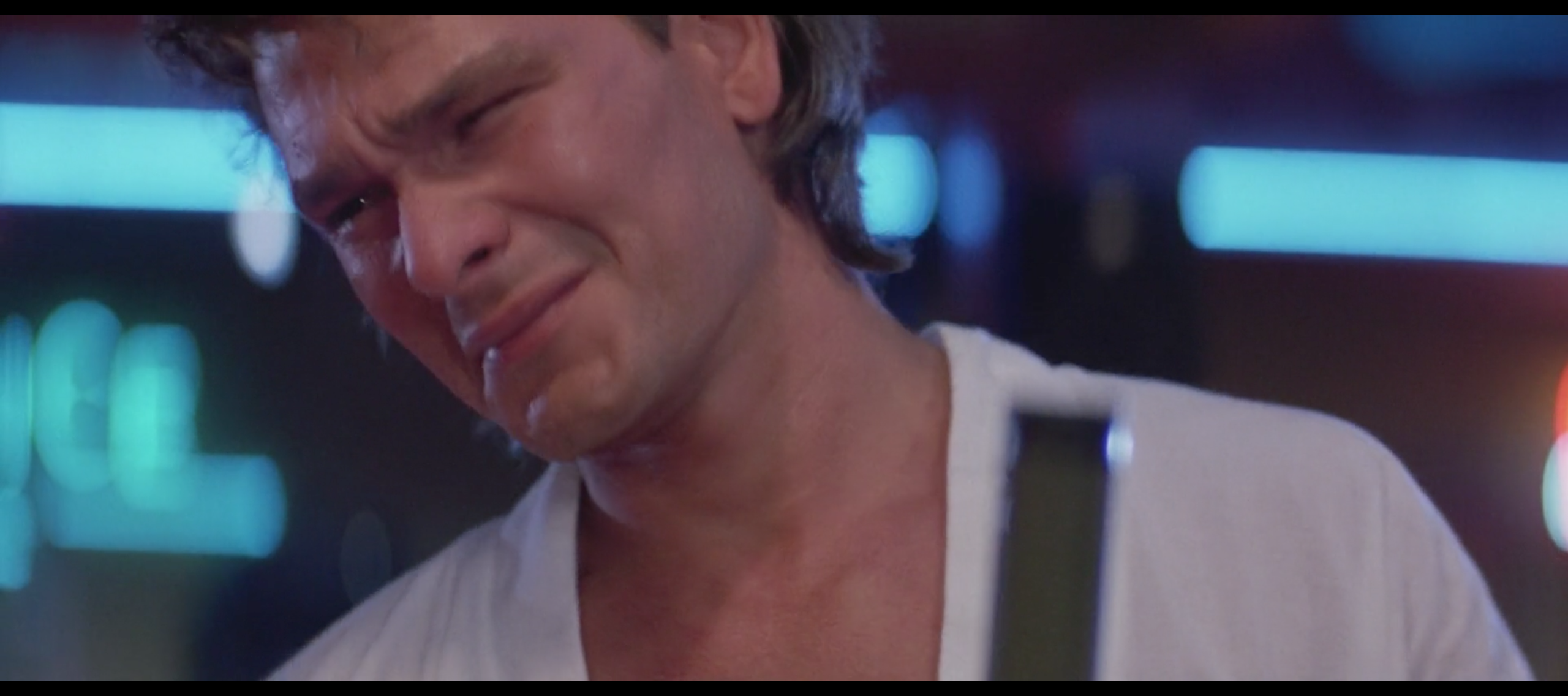
224. Is that Wade Garrett in your bar or are you just happy to see me?

People have been placed on FBI watchlists for less than the way Frank Tilghman greets Wade Garrett upon the aging cooler’s entrance into the Double Deuce. “I know you,” he says, wielding the words like a tongue across Wade’s stubble, like Ramsay Bolton bidding farewell to Sansa Stark before she feeds him to his own dogs, like a flea leaping from a rat to the roughspun tunic of a fourteenth-century European peasant. If I were Wade Garrett I’d have turned around, gotten on my motorcycle, and driven right back to the topless joint with the “DON’T EAT THE BIG WHITE MINT” sign above the urinal. Fortunately for Dalton (busy getting pounded into hamburger out back) and Tilghman (Cui bono) and unfortunately for Wade Garrett himself (“IT WAS TAILS”), Wade Garrett is a braver man than I. He decides that helping his mijo out of a jam is worth braving whatever Gary Heidnik chamber of horrors Tilghman has hidden in the Double Deuce’s expensive redesign and heads to the service entrance to whip the shit out of some goons, and the rest is Road History.

What this makes me wonder, as did Tilghman’s thoroughly sinister introduction of himself to Dalton way back at the beginning of the film a couple hundred days ago, is how many coolers Tilghman went through before finding people who could stand to look and listen to him long enough even to entertain an offer. Maybe at some other bar in New York there’s some other NYU-graduate warrior-poet with some other grizzled graybeard of a mentor, who took one look at the corpse rictus Tilghman calls a smile and had him ejected from the premises immediately. Los Angeles, Chicago, New Orleans, who knows, there could be master-and-apprentice pairs of coolers scattered across these United States, all of whom told Tilghman “My eyes are up here, pal” and then sent him on his creepy way.

As with so much about Tilghman, we’ll never know the rest of the story. Perhaps that’s for the best. In elementary school my gifted class went to see an assembly on UFO encounters in which the speaker wondered if the sudden movements and disappearances attributed to alien spacecraft were not unlike what our own trips to the grocery store must read like to our housepets: We know where we went, but they don’t. I’ve seen this basic phenomenon described also with the metaphor of trying to describe a fork stuck through a paper plate from the perspective of one who can only see the tines poking out of one side, not the whole fork jammed into the other, let alone the human being holding it on the other. Tilghman is as Tilghman does, and any speculation as to what else he might be and do beyond the four walls of this movie must remain speculation. Wovon man nicht sprechen kann, darüber muss man schweigen; whereof one cannot speak, thereof one must be silent.

223. Quality Goonsmanship

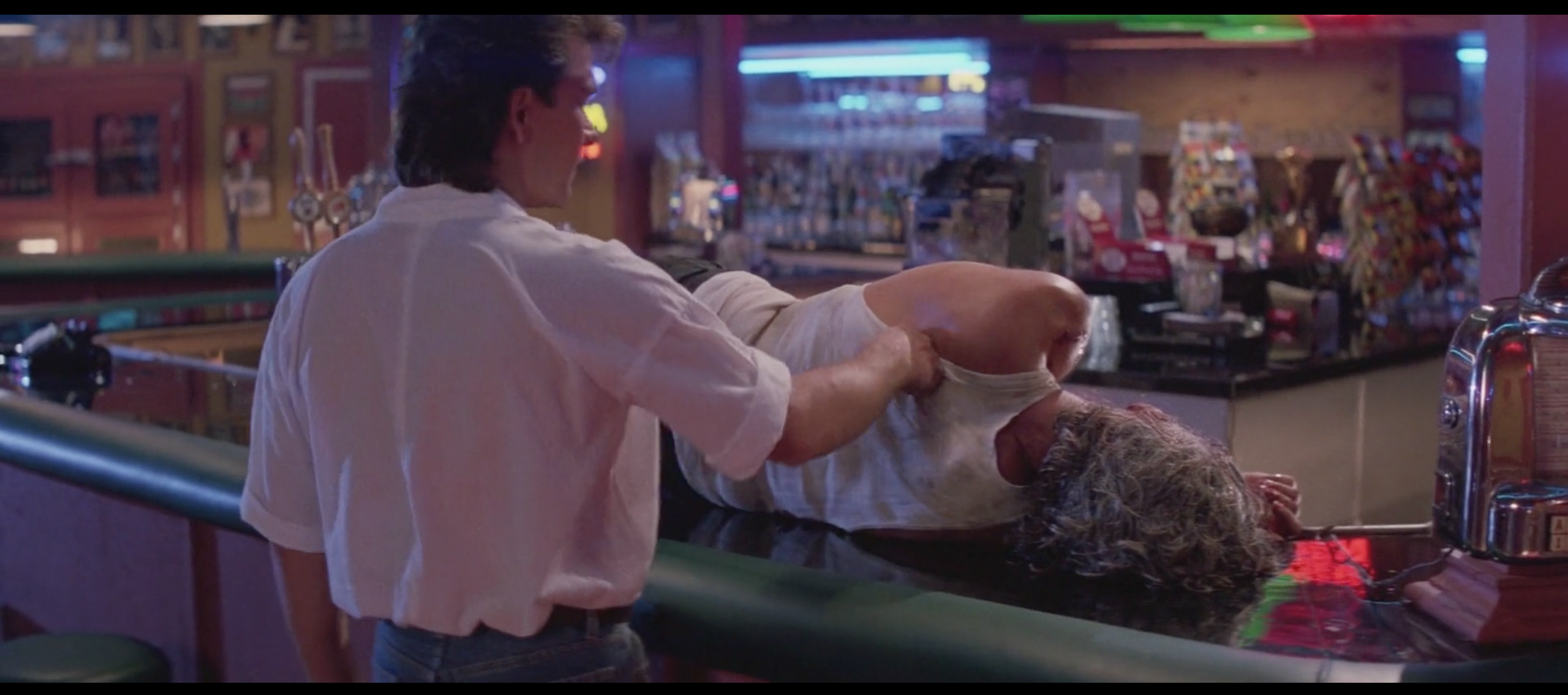
I kid, I kid the goons, and why not—they’re constantly getting their asses kicked. But look at our man Mountain here. Mountain knows that he and his comrades-in-arms have been sent to the Double Deuce with a very specific mission: Stop any and all liquor shipments. Mountain does not abandon this mission the moment Dalton throws hands. No, Mountain picks up a case of Tia Maria, throws it to the ground, turns, picks up a second case of Tia Maria, and throws it to the ground. Then and only then, after Dalton has rung the bells of Morgan and Tinker and O’Connor singlehandedly, does he turn his attention to Dalton.

Granted, once you’ve see what happens to him when he does attack Dalton—he lifts him clean off the ground in a bear hug, only to have his face bashed in by a pair of reverse headbutts—you’ll start wondering if maybe there wasn’t a third case of Tia Maria that wanted smashing. And if you pay close attention you’ll notice that by decking Morgan right into the back of the truck, toppling pretty much every remaining case of booze it contains, Dalton himself did more damage to the shipment than Mountain. But I’d consider that last bit a loss leader. Better to lose a few bottles in the process of leveling men who’d present a constant threat than to spare them but also spare the saboteurs. To flip that logic around, perhaps Mountain should have worried about the cooler first and the wine coolers second.

Be that as it may. Brad Wesley so rarely gets his money’s worth out of his “boys,” not that this dissuades him from sending the same clowns out to get got over and over again. This is Mountain’s one and only mission, and I think he acquits himself admirably, to a point. A good goon is hard to find, and he would have been a good goon, if it had been somebody there to beat the shit out of him and his buddies every minute of his life.

222. The Gentle Art of Being Nice

Look at this beautiful shot of Wade Garrett and Dalton, embracing after a long separation. The late afternoon light gleaming off Wade’s silver hair and hugging the sculpted contours of Dalton’s grinning face. Smiles as wide as the day is long. Each with one approving hand on the other’s shoulders, their other hands clasped in merry meeting.

From the looks of them you’d never know they just beat four men unconscious.

But that is the Dalton Path, that is the Way of Wade Garrett, that is the tao of all coolers. The Time to Not Be Nice passed when their last enemy collapsed to the ground in a bloody heap. The Time to Be Nice has come, and they welcome this as readily and naturally as they responded to an attack with superior force of their own.

A crowd of Double Deuce employees has gathered at this point, to gaze in wide-eyed wonder on these two knights errant, these sworn swords, and on those they cut down. To walk the Dalton Path, a gray ribbon that runs to either horizon, the lines on the road alternating streaks of white and red.

221. “Can I buy you guys a drink?”

Irony is a valuable weapon in the arsenal of any cooler. Take Dalton, for example. When Tinker, O’Connor, Mountain, and Morgan roll up and force the liquor delivery guy to stop wheeling out crates of booze—”This bar is closed for business!” booms the Bleeder, proud to pick a fight he can win for once—Dalton hits them with all the faux-graciousness he can muster. “Can I buy you guys a drink?” he asks, expecting the answer no. Morgan, who has clearly been spoiling for a tantrum ever since Dalton gave him the boot, responds by petulantly smashing a bottle on the ground. “Guess not,” Dalton replies, and the fight is joined.

Both Morgan’s toddler destructiveness and the savagery of Dalton’s initial fusillade against his assailants—he makes mincemeat out of all of them until Morgan smashes a bottle against his head rather than the ground—go to show how much energy and emotion can be hidden under the veil of wordplay. The fig leaf of sarcasm allows a man to interact with other men despite the fact that they will soon attempt to beat one another unconscious with their bare hands, wound each other with shattering glass, and generally wreak havoc on one another’s bodies until one side or the other is unable to do any further damage. “Can I buy you guys a drink?” is one last sardonic attempt to conceal violence beneath civilization’s veneer, but the eternal struggle between cooler and goon cannot be contained forever.

220. Here Come the Goons Again


Here come the goons again
Pounding on my head like a memory
Pounding on my head like a new emotion
I want a shirt with an open chest
I want to talk like bleeders do
I want to dive clear of your boot knife
Do you bleed too much too?

O’Connor talk to me
Like bleeders do
Walk with me
Like bleeders do
Talk to me
Like bleeders do

Here come the goons again
Kick me in my head like a tragedy
Tearing out my throat like a new emotion
I want to bleed in the open wind
I want to kiss like coolers do
I want to dive clear of your knife boot
Do you bleed too much too?

O’Connor talk to me
Like bleeders do
Walk with me
Like bleeders do
Talk to me
Like bleeders do

Ooooooh
Ooooooh yeah
Here they come again
Ooooooh
Hey hey hey hey hey hey hey

Here come the goons again
Pounding on my head like a memory
Pounding on my head like a new emotion
(Here they again, here they comes again)
I want a shirt with an open chest
I want to talk like bleeders do
I want dive clear of your boot knife
Do you bleed too much too?

219. A truckload of goons pulls into a parking lot

Wade Garrett is not the only miscreant to grace the dirt lot of the Double Deuce with his presence on this fateful day. Right behind him apparently—I wonder if they were stopped behind him at a stoplight at some point, not realizing what was to come—is a pickup truck full of Brad Wesleyans. There’s O’Connor and Tinker of course, who I guess haven’t gotten their asses kicked recently enough and need that sweet chin music. There’s Mountain, the gigantically tall guy last seen cavorting poolside at Wesley’s mansion; he’ll accomplish approximately that much in the fight that ensues.

Finally, there’s Morgan, the inveterate hothead tough guy played by wrestling god Terry Funk, returning to the Double Deuce for the first time since he collected his severance and was told to consider barber college and pronounced Dalton “a dead man.” (He too was last seen cavorting poolside, with his pants around his ankles no less, but he acquits himself a bit better than his towering counterpart.) You’ll recall him scoffing at the idea that Dalton has “balls big enough to come in a dump truck”; I don’t know if irony is the right word for him being a goon big enough to come in a pickup truck, but there’s something there. I dunno, we’ll workshop it.

Anyway the highlight of the moment isn’t the hero shot of all four goons rolling deep towards Dalton as he stands at the service entrance, supervising the delivery of liquor from a distributor he apparently convinced to run Wesley’s blockade. It’s Dalton’s reaction to said goons.

No confident smile this time. No squaring up, either. He looks at them through sun-squinted eyes, his shoulders rise as he inhales deeply, and then he just…sighs, silently. If you ran his body language through Google Translate you’d get Welp, here we go again, I guess.

It’s the most noncommittal thing he does in the whole film, which otherwise invests his every word and deed with energy and purpose. All his energy and purpose is directed elsewhere at the moment—at Doc, his lover, whose scent probably lingers on his body, and at Wade Garrett, his mentor, whom he called to take care of this whole liquor-blockade thing. These clowns? He’ll fight them, sure, but only because they leave him no choice. He’d just as soon they turn around and drive away. There’s only one way this is gonna end, and until then it’s just workaday drudgery. Sigh. Okay, fellas, whose face do I break first.


218. The Coming of Wade

“Hither came Wade, the Garrett, gray-haired, stubble-chinned, beer in hand, a sage, a bouncer, a cooler, with gigantic mirth and additional gigantic mirth, to tread the Double Douches of the Earth under his exposed happy trail.”

217. Cody spills the tea

Gossip is a cruel mistress. Here’s Dalton, jauntily strutting into the Double Deuce for another night’s work at what has become the ideal bar. He knows his pal Wade Garrett is on the way (though of that day and hour knoweth no man). He’s just had a night of romance with Dr. Elizabeth Clay. Here he thinks he’s just sitting down for the usual chit-chat with Cody. But Cody keeps his ears to the ground in addition to those white-hot blues licks, and he feels obligated to inform his friend that Brad Wesley had a thing for the Doc once upon a time too.

Here’s how he puts it: “As I hear it, she left town and he went nuts. Heh. Small town, huh, Dalton? ‘Course, that’s just the word.” Hitchcock himself couldn’t have conceived of a crueler and more confounding open ending than that final sentence. Now instead of clearing things up for his pal, Cody has muddied them further. How can he discover for certain what the truth is?

Well, by asking Elizabeth directly, that’s how. Knowing Dalton, that’s something he’s unlikely to do. He keeps himself buttoned up, allowing others in when necessary and desirable, keeping other problems at arms’ length unless and until they make themselves impossible to ignore. A man like that would go right on ignoring his girlfriend’s failed marriage to his nemesis unless pushed—pushed, perhaps, by a friend who phrases his revelation of this information in a deliberately ambiguous way, so as to force his buddy’s hand and force him to address uncomfortable truths rather than letting them fester. A good friend, in other words.

Fortunately for Dalton, Wesley almost immediately starts attempting to kill all of his friends and associates, so the motion is tabled. There’ll be time enough for rehashing the past after a bunch of old men shoot Brad Wesley to death.

Pain Don’t Hurt Extra: The Gruesome Oral History of the ‘Road House’ Throat Rip Scene

Collins: Perhaps we’ll never know the why of the throat rip. [Editor’s note: Herrington “got the idea for Jimmy’s death from a story he’d heard back in college about a martial artist tearing out an enemy’s trachea,” according to the Ringer.] It does recur throughout the film as something [Swayze] is struggling with. It’s a lapse on his part. Ripping people’s throats out is something he has to move past in his life.

And who hasn’t felt that way? All of us have been ripping people’s throats out in our own way, and we all deal with it in our own way.

Amazingly, AMAZINGLY, I am quoted as an expert in Quinn Myers’s oral history of the throat-ripping scene from Road House for Mel Magazine. Like, it’s me and then it’s Mike Nelson. Do I reference A Hard Day’s Night and America’s Next Top Model in a single quote? You bet I do. But that’s beside the point—this is a tremendously informative look at what went into making that whole incredible fight scene, featuring actor Marshall Teague, the stunt coordinators/fight choreographers, and the Foley artist, as well as me and Mike freaking Nelson.

216. tfw your friend the white blind blues guitar player tells you he’s heard that your new girlfriend used to date your new nemesis and that the cessation of that relationship which you can infer from context clues was a failed marriage may well have resulted in your nemesis’s current high level of psychopathy which includes ordering multiple attempts on your life as well as attempting to put your current employer out of business while maybe just maybe also realizing you fucked your new girlfriend who is also your new nemesis’s ex on the roof of a barn clearly visible from the nemesis’s house across the water so your nemesis has seen you nut

(previously)

215. Tableau V

Ernie straightening up behind the bar. Carrie Ann lighting a cigarette. Hank sipping his coffee. Whatsername the German schoolgirl–looking waitress wiping down a table. And Dalton, smoke in his mouth, fresh from a day working out and helping Emmett and a night of love with Dr. Elizabeth Clay, doffing his jacket as he arrives for a night’s work, greeted with a “Hey, doll!” and a “There he is!” from his admiring underlings. This is the Double Deuce as it was always meant to be: safe, familial, professional, with a lot of matching reds.

But it is not yet the Double Deuce at its absolute finest. That will require the arrival of another cooler, older, slyer, more powerful, subtle and not quick to anger. It will require us, at long last, to walk the Way of Wade Garrett. Between now and then Dalton will receive very bad news and a very bad beating. It is as if the universe itself cries out, “Not yet, Dalton. Not yet.”

214. “Don’t give me no lip, Lord”

In the scene that follows Brad Wesley’s R-Rated Rear Window Spectacular, Dalton helps his landlord Emmett lug some farm equipment out of his pickup truck. During the course of this conversation Emmett asks if Dalton had a woman over and then asks where she went when Dalton confirms her initial presence. This implies that he became aware of that presence the night before, which means that at least two weird old men enjoyed the pleasure of her and Dalton’s company so to speak. He tells Dalton “If you’re smart, you’d pitch your tent,” a statement ostensibly about romantic commitment but jesus christ what am I made of stone, he said “pitch your tent.” Finally he does that Emmett thing where he ends the scene with a quippy aphorism followed by a hard cut, in this case assuring Dalton that even if he isn’t that smart, “You never know, son—maybe she’ll be smart enough for the both of you.” Add another fake Dalton dad to the pile of men who call him “boy” or “son.” I wonder if he gives him The Talk afterwards.

All of this has so dominated my consciousness during prior viewings of Road House that it was not until about five minutes ago that I noticed there’s another Emmett line in this scene. After Dalton says yes, he did have a woman up there with him, Emmett raises his eyes to the sky and says “Don’t give me no lip, Lord.”

Emmett’s view of organized religion is already well documented. Here we’re offered a glimpse of his feelings on the Man Upstairs himself, and wouldn’t you know it, He’s a land-Lord. There’s some stuff a fella has got to get away with, and for the sake of all involved parties it’d be best if YHWH just keeps His feelings on the matter to Himself. Victimless crimes like nailing a beautiful woman who graduated don’t affect the rent getting paid on time, metaphorically speaking. Accept Jesus as your personal savior by the first of every month and then tell the Big Guy to butt out.

213. I Like to Watch

Dr. Elizabeth Clay isn’t the only person who registers the significance of the location of Dalton’s apartment on this fateful night. Across the water, her ex-husband Brad Wesley watches intently, liquor at the ready, as Doc slithers out from under her makeshift sheet-robe and mounts Dalton for a second bout of lovemaking. He rocks back and forth in his rocking chair, stops—perhaps to avoid any unpleasant mimesis of the movements of the people upon whom he’s spying—and reaches for a cigar, because even a broken Freud gives the right time twice a day.

The question that interests me here isn’t why Brad Wesley is watching his nemesis fuck his ex-wife, but when he started watching. Unless he snuck out onto his balcony or lanai or whatever it is in a big hurry after the Doc looked across the water and saw his house before she and Dalton did their standup routine, it’s doubtful he caught round one. This means Wesley started peeping at some point between then and now, a time period during which Dalton was awake and alone and bare-ass naked on the roof while Elizabeth slept the sleep of the peacefully post-coital in Dalton’s bed. It means he was watching Dalton all by himself.

This tracks with Wesley’s dialogue in the remainder of the film, for what it’s worth. At no point during his many interactions with Dalton during the rest of the movie does he bring up the man’s relationship with Elizabeth, not even at times when it would be natural to do so—when he playfully upbraids Dalton for “taking all my boys” following the cooler’s murder spree through Wesley’s goon army. “Hell, you took my girl, too”—easiest thing in the world to say, but he doesn’t say it.

The closest he comes to admitting any jealousy whatsoever is when he tells Elizabeth how much he hates to see her wind up with a no-account drifter like Dalton. As I’ve written before, this isn’t the “if I can’t have you no one can” speech you’d expect at all. It’s not hard to imagine Wesley wishing he could have her again, but that’s just it: You have to imagine him wishing it. The focus is on Dalton, and whether or not he’s a worthy successor to Wesley in Elizabeth’s love life.

Which brings us back to Peeping Brad here. By now he’s gotten himself quite an eyeful of Dalton—Does he find the man lacking as a lover and thus unworthy of Elizabeth’s love? Or is it the opposite? Is Dalton so toned and hung and prodigiously talented in the sack that Wesley worries his ex has been dickmatized by someone with little else going for him? Or is this masochism—a case of Wesley rubbing his own face in the happiness of his former lover and his current arch-enemy because some part of him is addicted to misery?

Then there’s this tantalizing possibility: The Elizabeth stuff is a smokescreen for sexualized resentment of and desire for Dalton himself. In this reading, when Wesley tells Dalton that the only thing missing from his trophy room is his ass, Wesley really wishes he could get Dalton’s ass stuffed and mounted the old-fashioned way. To be honest Wesley strikes me as a drearily heterosexual figure, double-entendre action-movie homoeroticism notwithstanding. But this leaves open the possibility of simple envy, of Wesley covetously devouring Dalton’s body and beauty with his eyes.

Wesley spying on Dalton and Doc having sex on the roof of a barn is a crime of opportunity, that much seems certain. But it is difficult to say with any certainty at all why Wesley seized the opportunity. Grab a cigar and ponder this imponderable with me.

212. Barnyard Afterglow

Dalton and Dr. Elizabeth Clay are on an awkward pillow-talk hot streak, and they’re not about to let the temporary cessation of their lovemaking put that fire out. When the Doc stirs an unspecified amount of time after what I can only assume were simultaneous and earth-shaking climaxes (Dalton’s jimmy runs deep, so deep, so deep, put her ass to sleep) she finds herself alone in bed and finds Dalton sitting nude on the rooftop of the barn just outside his window. Wielding the bedsheet as an ersatz open-in-the-back hospital gown, she comes to join him, sitting down on a beautifully constructed rug that is now going to require some spot cleaning.

What do they talk about, these two lovebirds? Doc speaks first, and Dalton follows, and on it goes.

Doc: “You’re gonna have a lot of pain when you grow older. You could be crippled if you don’t slow down.”

Dalton: “Yeah, that’s what they say.”

“You already know that?”

“No, I just said ‘That’s what they say.'”

<pause for shared laughter and mild horseplay in the form of a loving face-mush>

“Where are you gonna go from here?”

“I don’t know.”

“You could stay, Dalton. If you wanted to.”

“I don’t think so.”

Then they fuck again, her on top this time, because if you thought chatting about the uncle who cared for you after your parents died when you were a kid and the collapse of your marriage to the insane guy across the way was arousing, I’ll see that bet and raise you “you are going to suffer horribly” and “I don’t like you enough to not skip town.”

Strange as it sounds, though, isn’t the ol’ Eros/Thanatos two-step the oldest dance in the world? If you can’t talk about your gravest regrets and fears, up to and including mortality, before you have sex, an activity designed to wipe rational thought clean, then when can you talk about them?

Never underestimate your opponent, Dalton once said. Expect the unexpected. I don’t know about “opponent,” but the sexual liaison between Dalton and his opposite number the Doc contains a whole lot of stuff I don’t think anyone saw coming.

Paul Thomas Anderson’s The Master in the shadow of the ‘Intellectual Dark Web’

“…Sam Harris, a neuroscientist; Eric Weinstein, a mathematician and managing director of Thiel Capital; the commentator and comedian Dave Rubin…the evolutionary biologists Bret Weinstein and Heather Heying; Jordan Peterson, the psychologist and best-selling author; the conservative commentators Ben Shapiro and Douglas Murray; Maajid Nawaz, the former Islamist turned anti-extremist activist; and the feminists Ayaan Hirsi Ali and Christina Hoff Summers.”

– Bari Weiss, “Meet the Renegades of the Intellectual Dark Web,” The New York Times, May 8, 2018

“I do many, many things. I am a writer, a doctor, a nuclear physicist, a theoretical philosopher … but above all, I am a man. A hopelessly inquisitive man, just like you.”

– Lancaster Dodd (Philip Seymour Hoffman) in The Master

These quotes introduce a new essay I wrote about The Master in the Intellectual Dark Age of Trump for Polygon. Special thanks to my editor Matt Patches for the inspiration.

211. A Tale of Two Tushies

It was the best of bars, it was the worst of bars, it was the age of being nice, it was the age of not being nice, it was the epoch of balls big enough to come in a dump truck, it was the epoch of opinions varying, it was the season of Wade, it was the season of Wesley, it was the auto dealership of hope, it was the separate and unrelated auto dealership of despair, we had Wagon Days before us, we had Wagon Days underneath us, we were all going direct to Jasper, we were all going direct the other way.

210. Is…is this about Road House

209. The Pout/The Laugh

Critiquing the facial expressions a person makes during sex is…well, it’s like critiquing the facial expressions a person makes during a sneeze. How you react to what’s happening to your body is largely involuntary, and at any rate unselfconciousness is a valuable trait for sex since it’s easier to get where you want to go if you’re not fretting about the right way to get there. But hey, this is acting, right? So I don’t feel as churlish as I otherwise would to draw a distinction between these two Dr. Elizabeth Clay sex-face moments.

The pout, I find funny. It’s like “Ooh, this is sexy, I’m sexy, he’s sexy, this feels sexy, look at me being sexy.” Imagine Dalton doing it—he’d look even goofier than he does when he’s got his getting-down-to-business face on while stalking her around the room like a literal sex panther waiting to strike. I don’t fault her for it! Sometimes people sincerely feel this way during sex, and make “sexy” faces to show both themselves and their partner that what’s going on is hot stuff. It’s not like she’s wrong if that’s what she’s doing. It’s just a little pose-y, a little Whitesnake video-y, a little Playboy Channel-y. In those respects it’s of its time.

The laugh, though? Hooo boy. That’s the good shit right there. If you’re laughing out of sheer delight during sex, something has gone very very right for you, that’s one thing. The other thing is that this allows us to perceive the Doc, and Dalton too once he starts grinning in response, as being in on the joke. She knows it’s kind of ridiculous to go to a dude’s barnpartment, look at your psychotic ex-husband’s mansion across the way, talk about your uncle raising you and your parents dying and your marriage collapsing, go for a guy’s junk before so much as kissing, get hoisted in the air to mount him while he stands up, get slammed up against the wall, and get slammed up agains the wall. Ya gotta laugh, folks!

So she does, and the moment is beautifully, erotically unselfconscious. It opens up the path to the scene’s climax (though not the participants’), in which Dalton holds her up and shuffles them both over to the bed with his pants half-down and a licensed medical practitioner around his waist, a move they both know is equal parts silly and cool. It’s an echo, in its way, of the way Carrie Ann gazes with slackjawed lust upon Dalton’s behind. That was her private moment; this is a moment Elizabeth is experiencing with Dalton, and it’s so much fun she’s got to share it with him. She can’t help it. It just bubbles up inside her, until release.

208. The Stand

The setup of the sex scene from Road House is both unique and appropriate. Making a stand is what Dalton does, after all: against the forty-year old adolescents, felons, power drinkers, and trustees of modern chemistry; against Brad Wesley and the goons with whom he runs this town; against bouncing without rules; against shirts. Extending this policy to sex simply demonstrates the consistency of the Dalton Path. When you’re a cooler, there’s no such thing as time off.

For Doc, the scenario is a bit different. She is a healer by trade, a woman who ensures her patients are able to stand on their own two feet. Here, she is the patient. Their pre-sex chat about her family and her failed marriage is her giving her personal history the professional who’s there to treat her. After that she literally puts herself in his hands, allowing him to operate as he sees fit.

The whole scene can be viewed as a reversal of the time he came to her, wound open, and she sealed that wound. Here, they open themselves to each other. The operating theater is standing room only.