246. Blowback

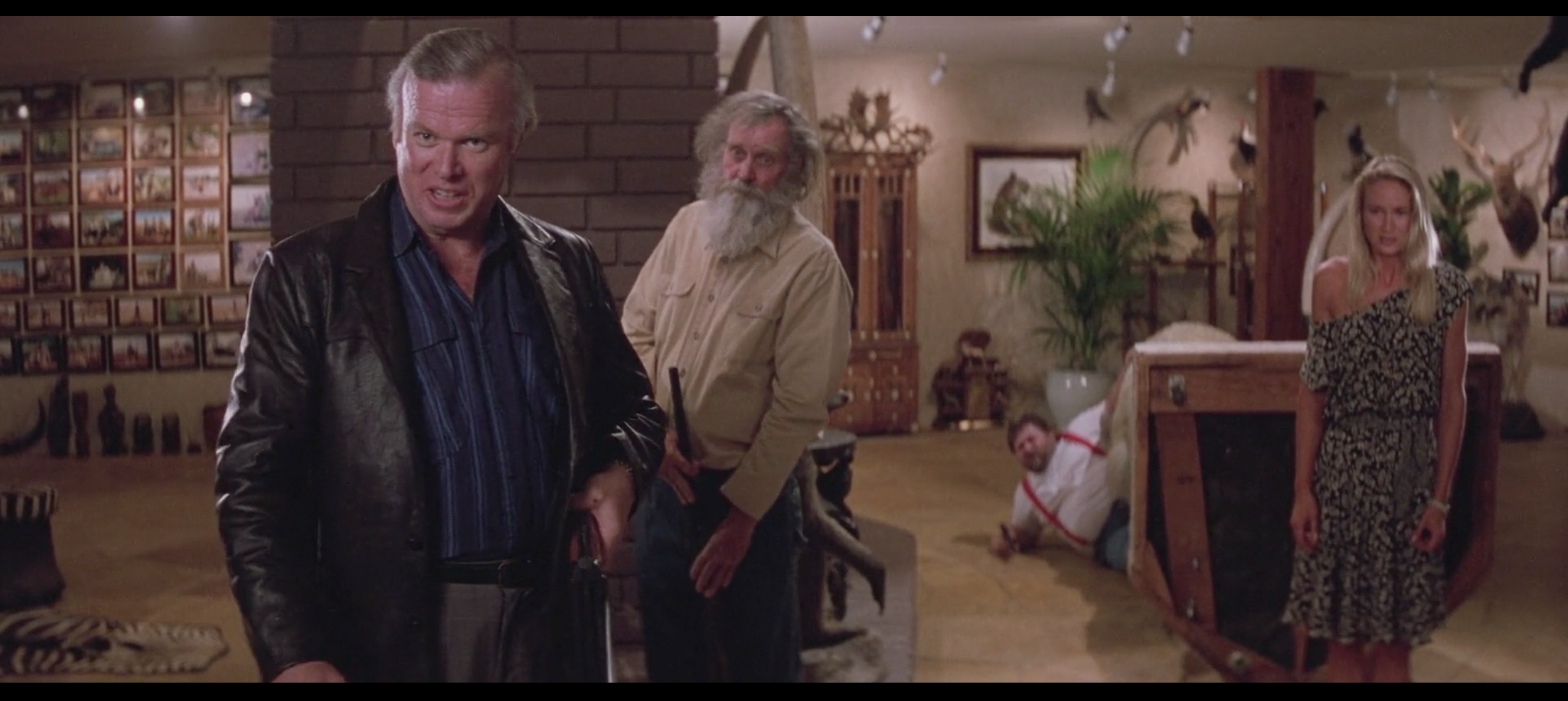
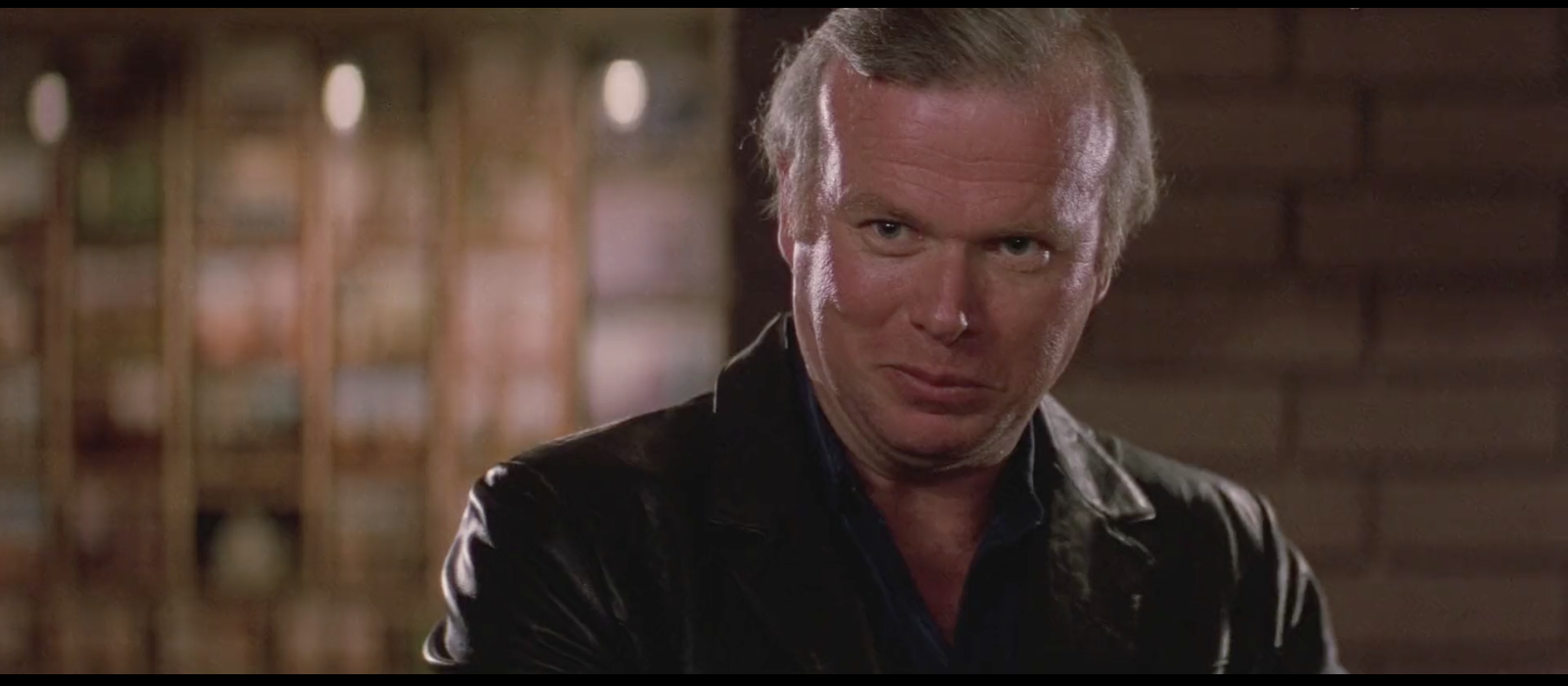
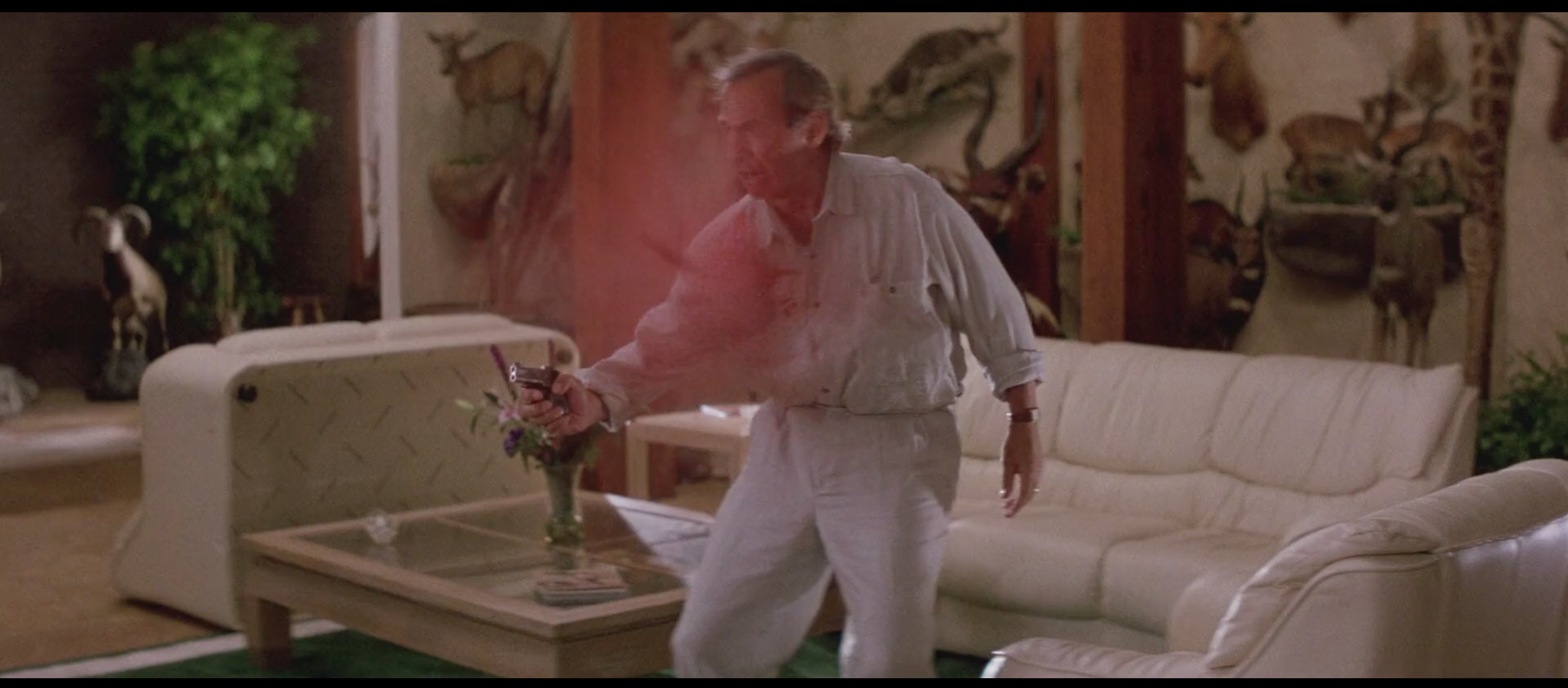
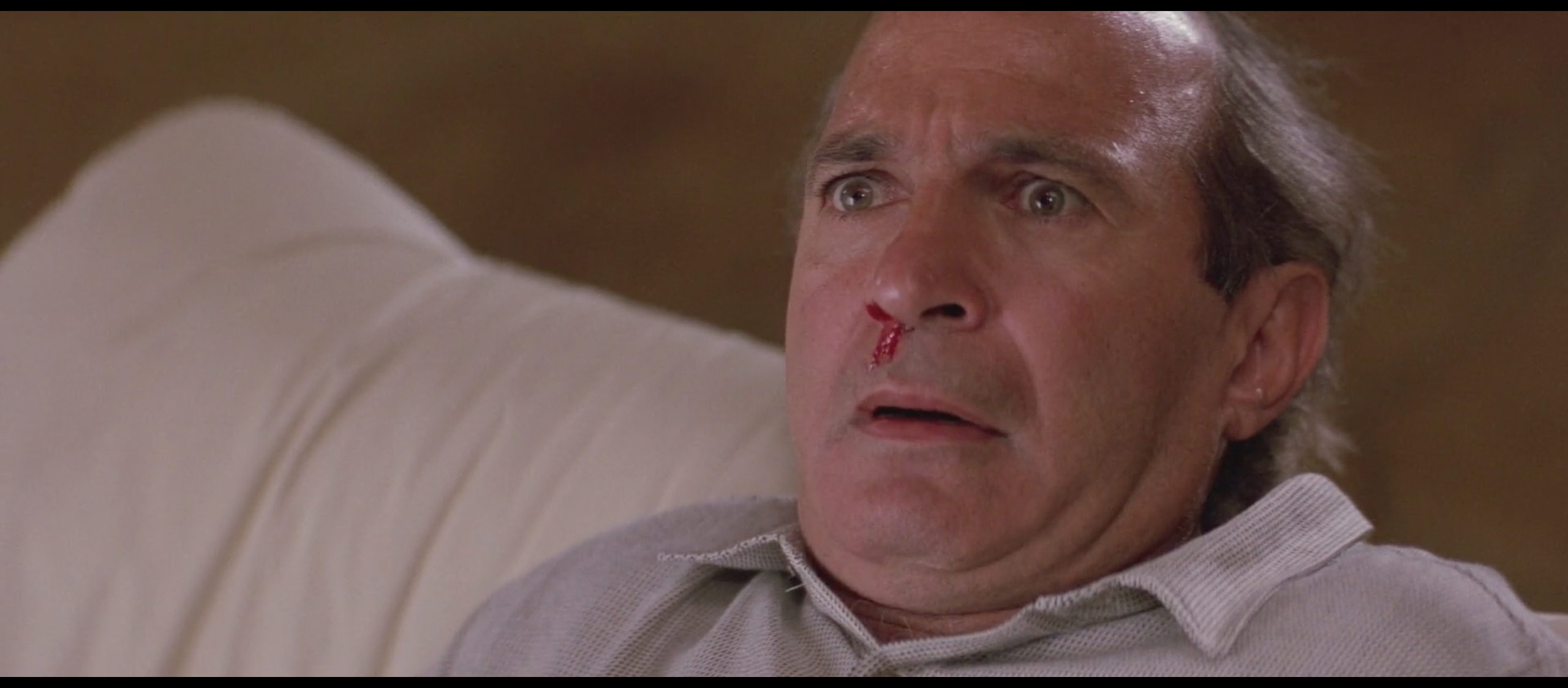
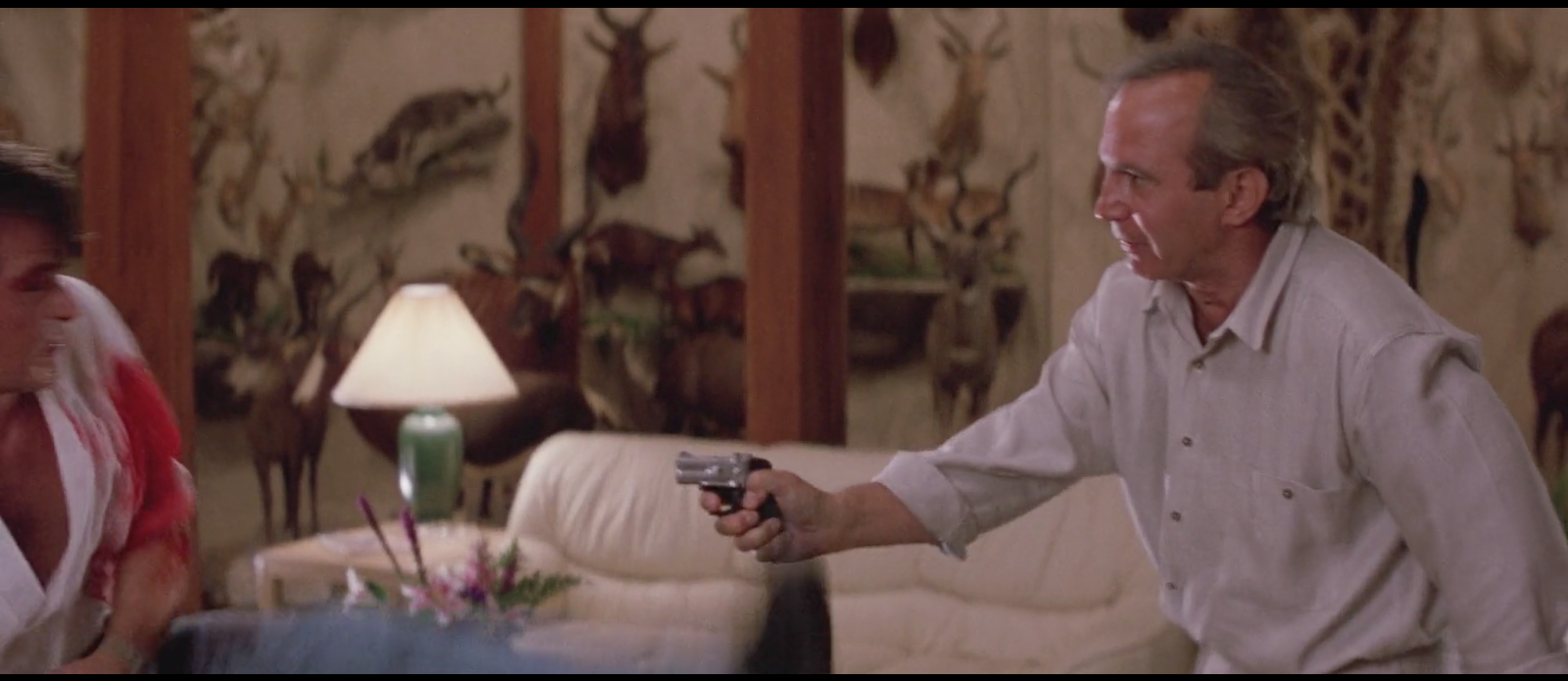
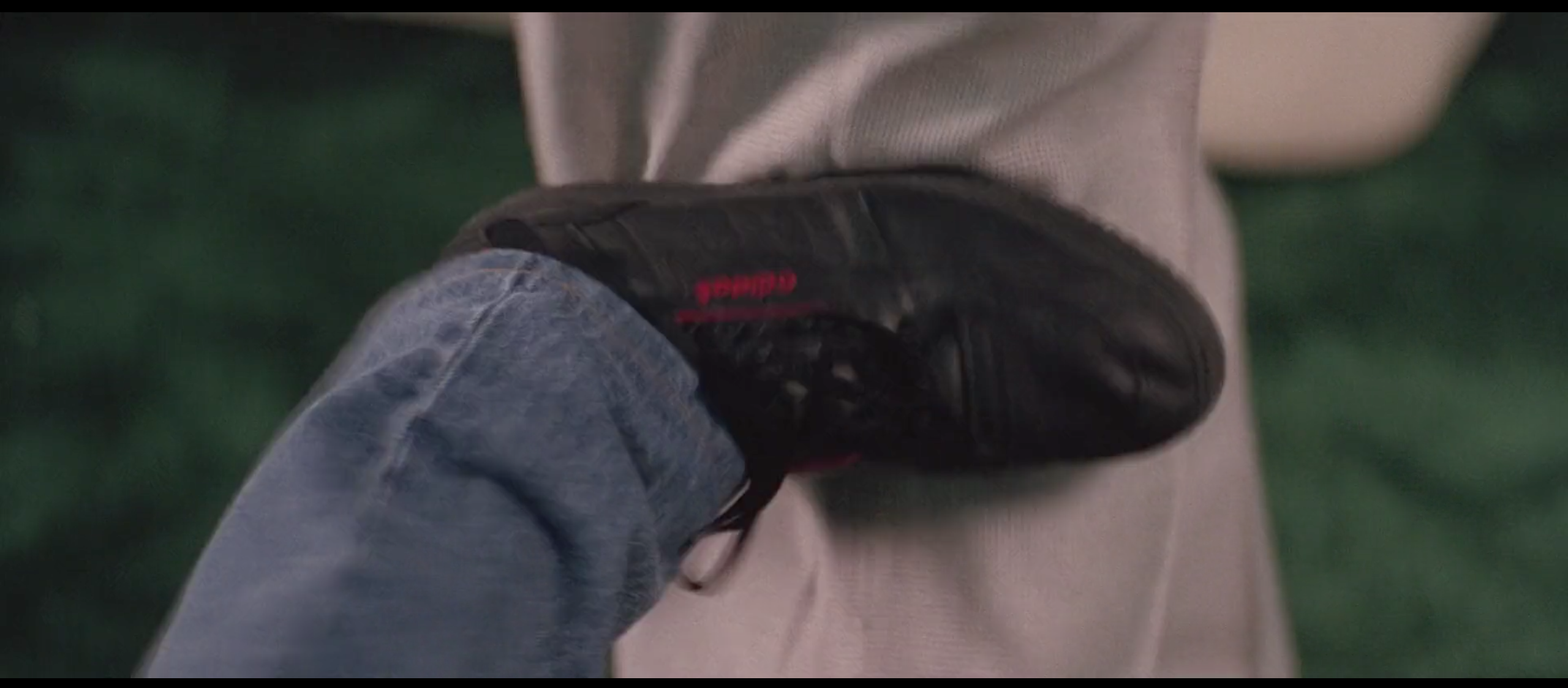
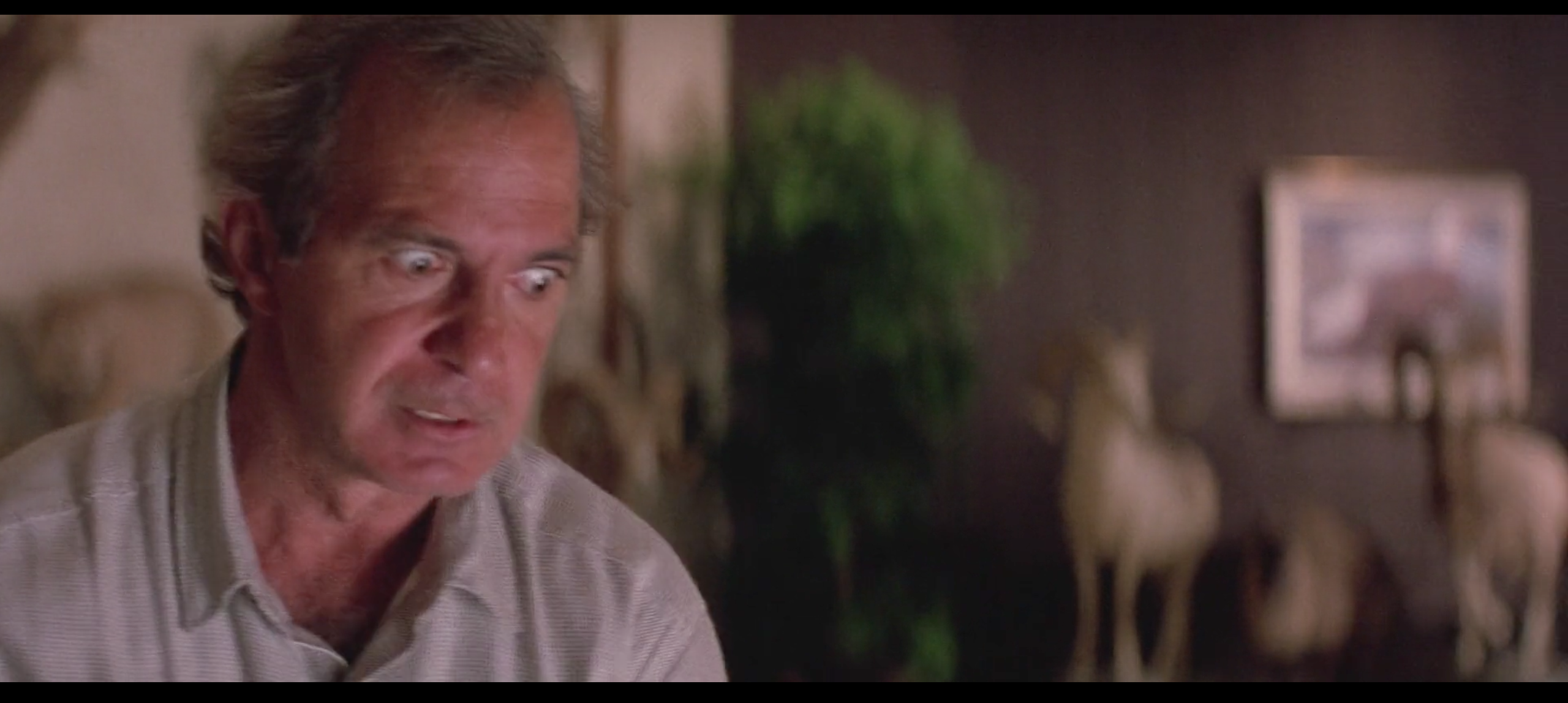
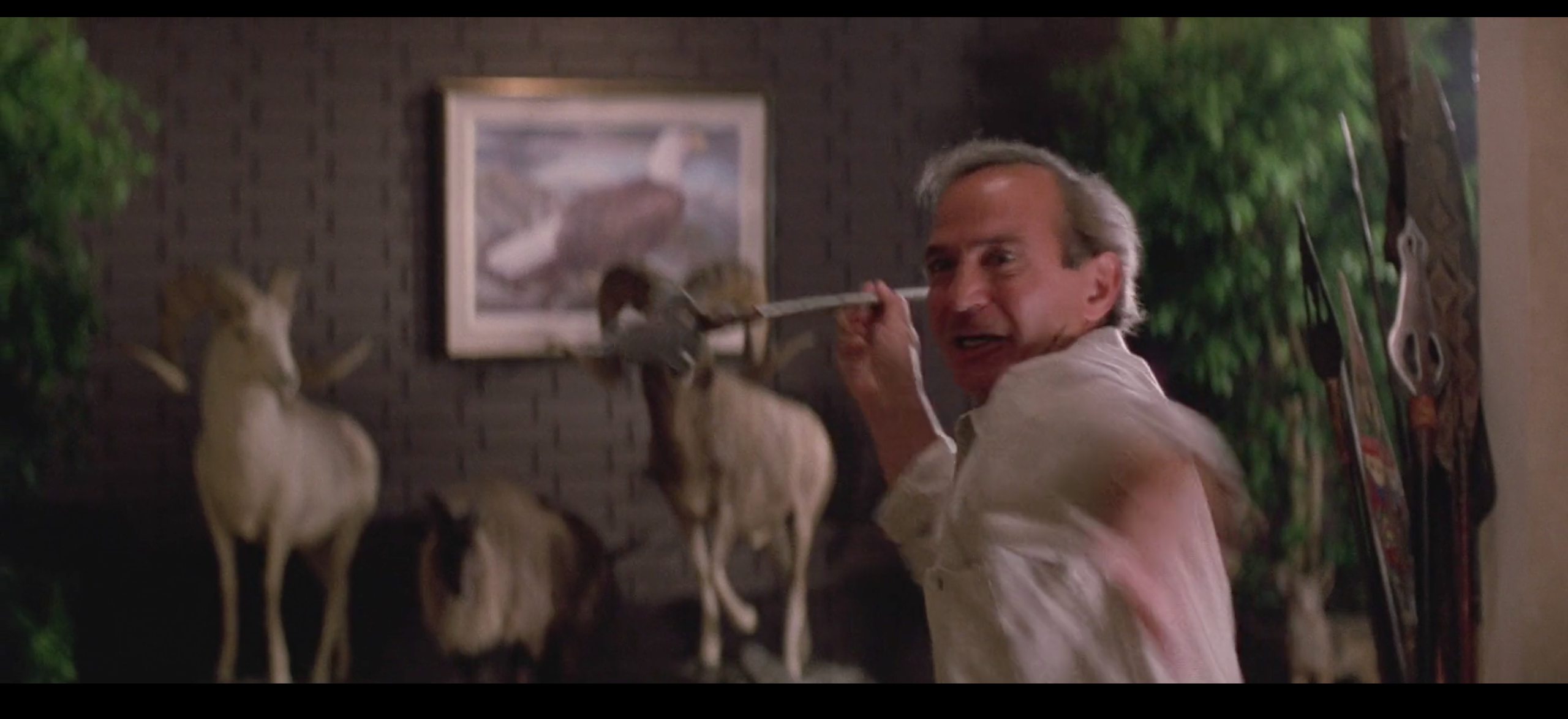
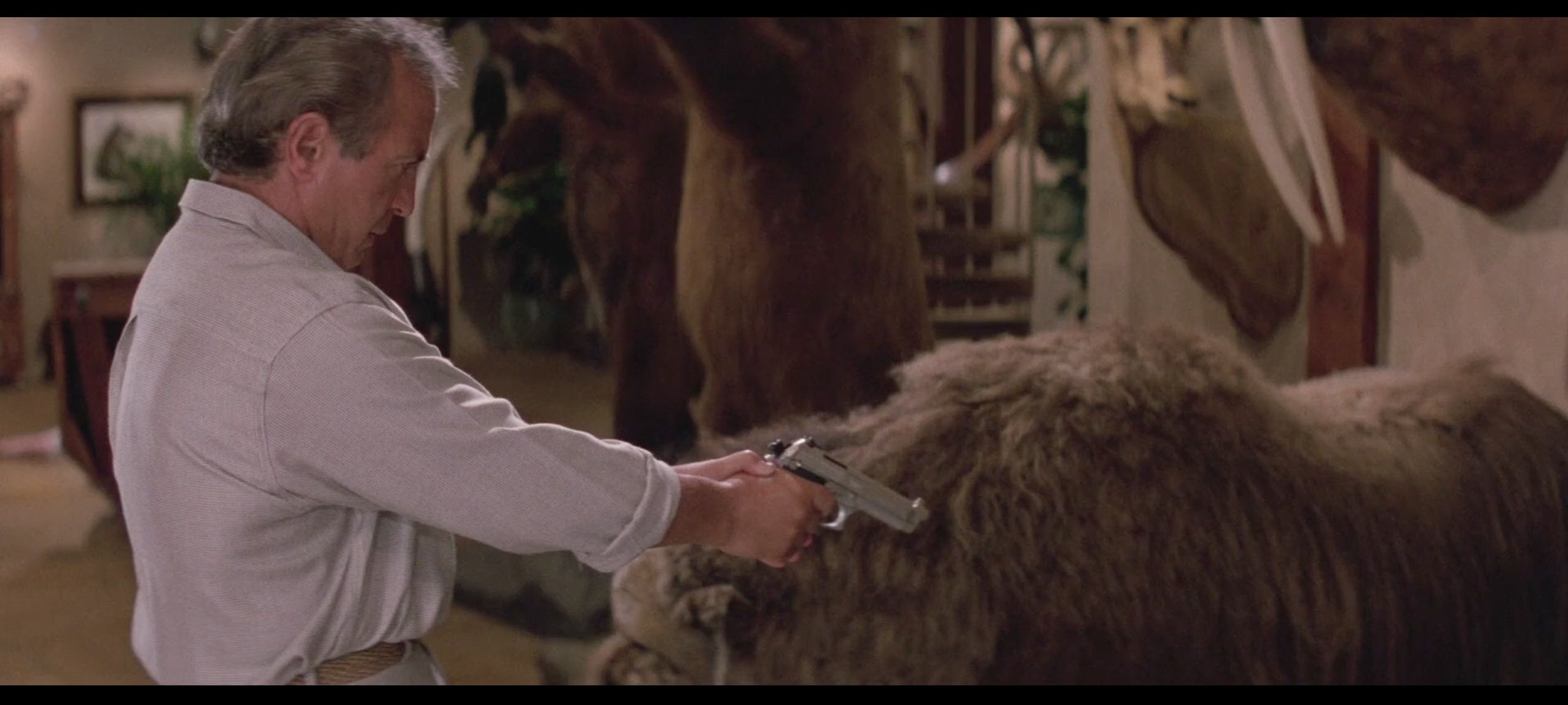
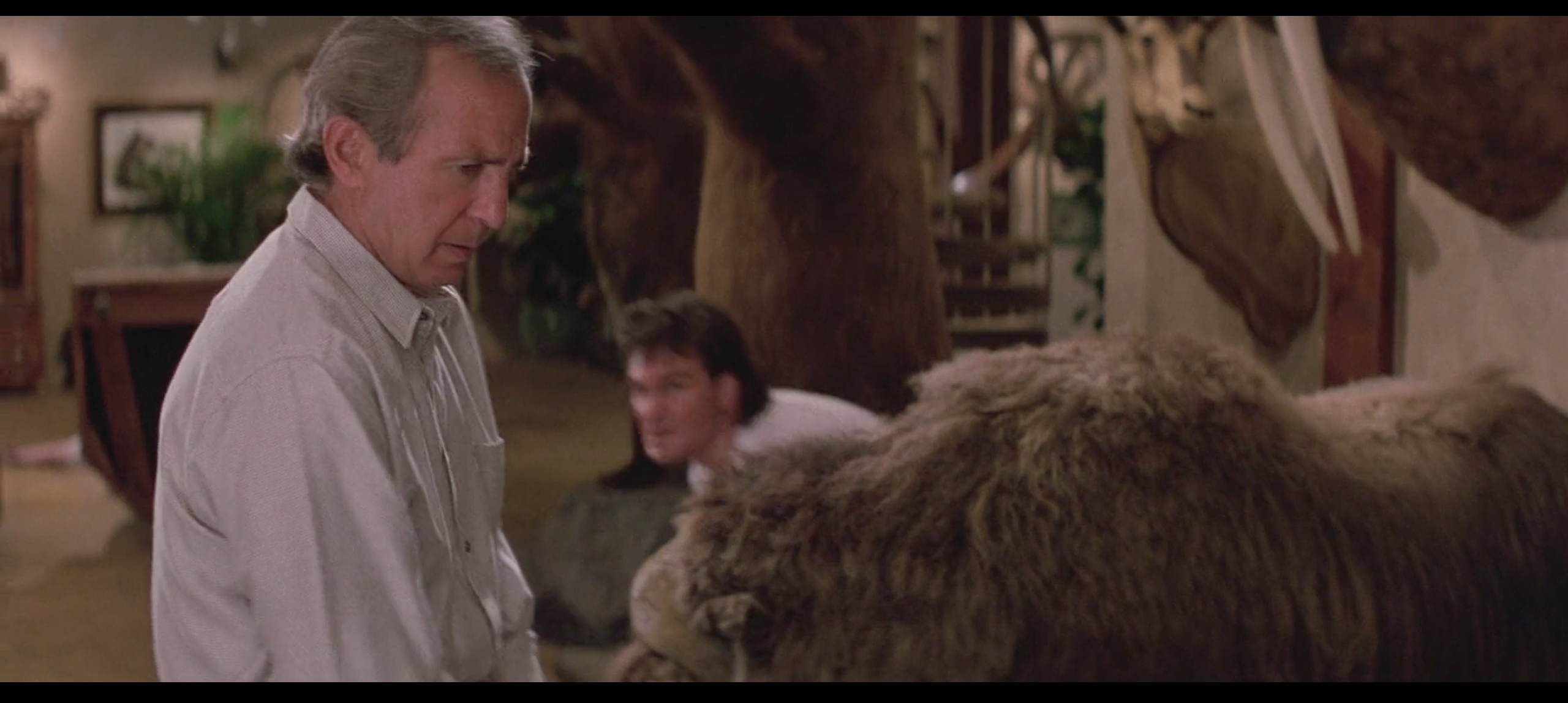
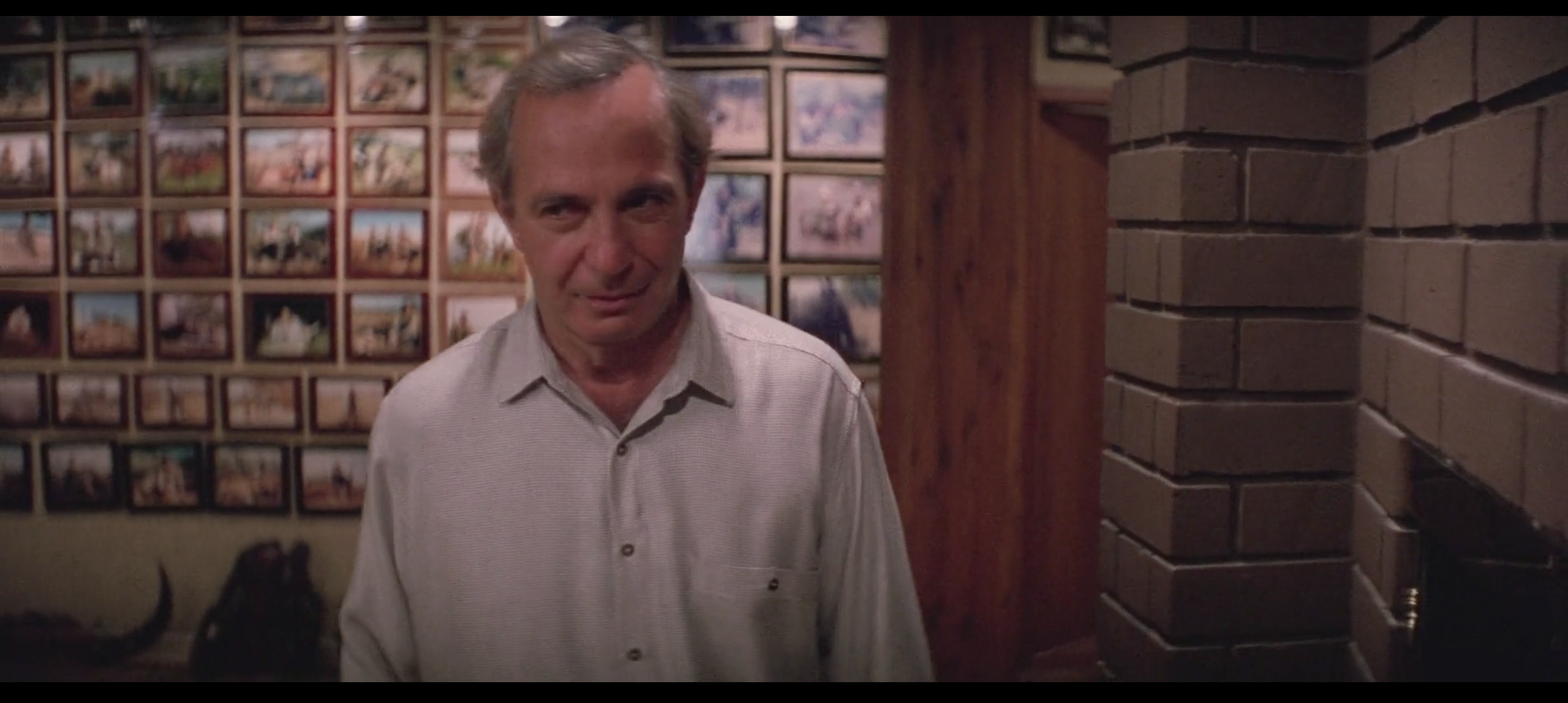
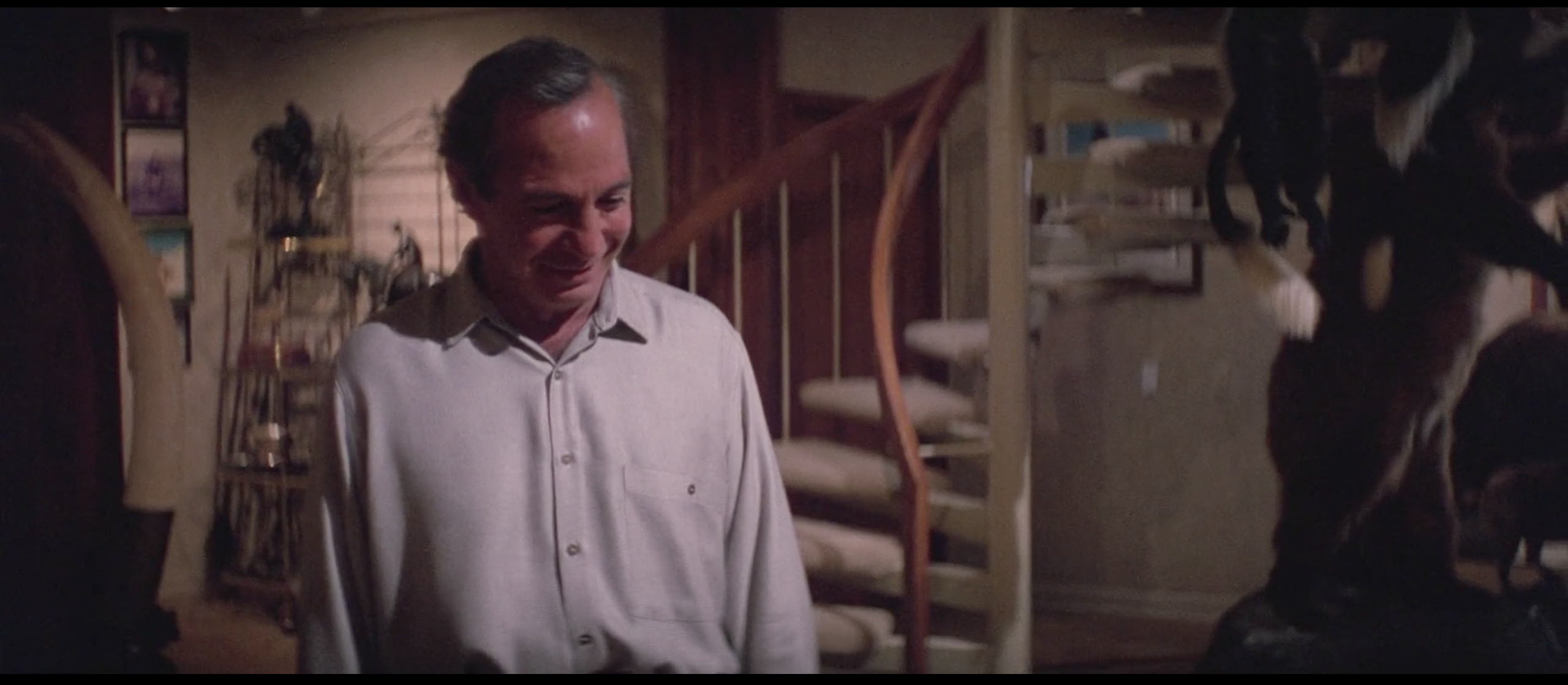
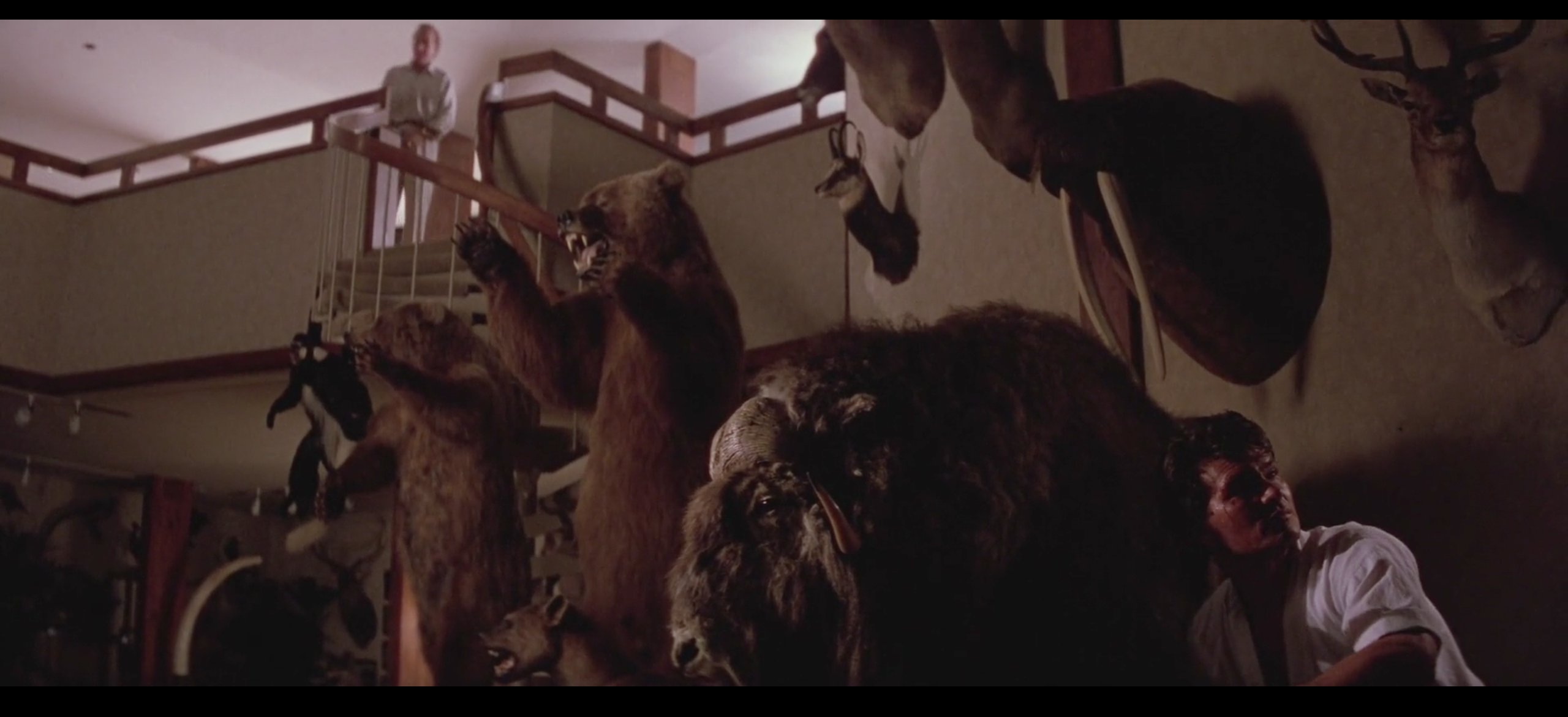
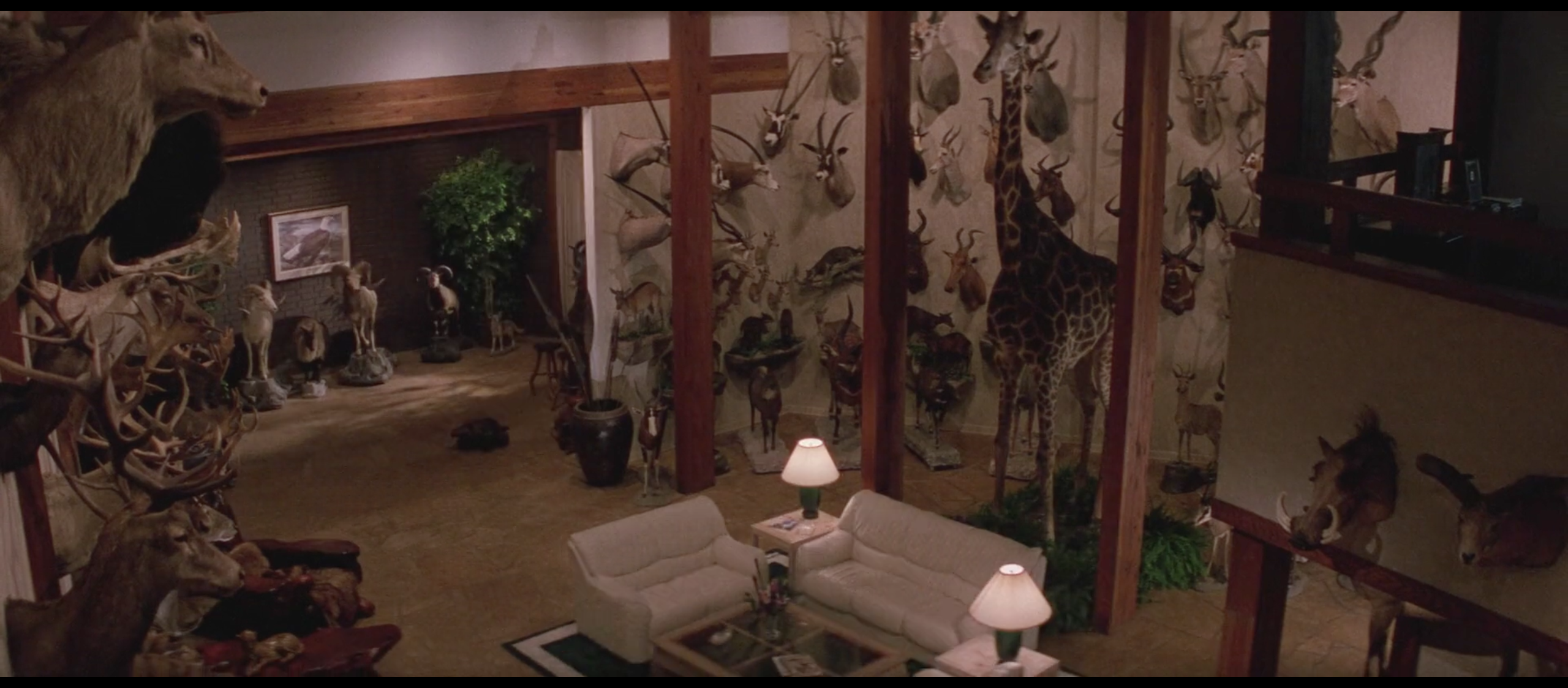
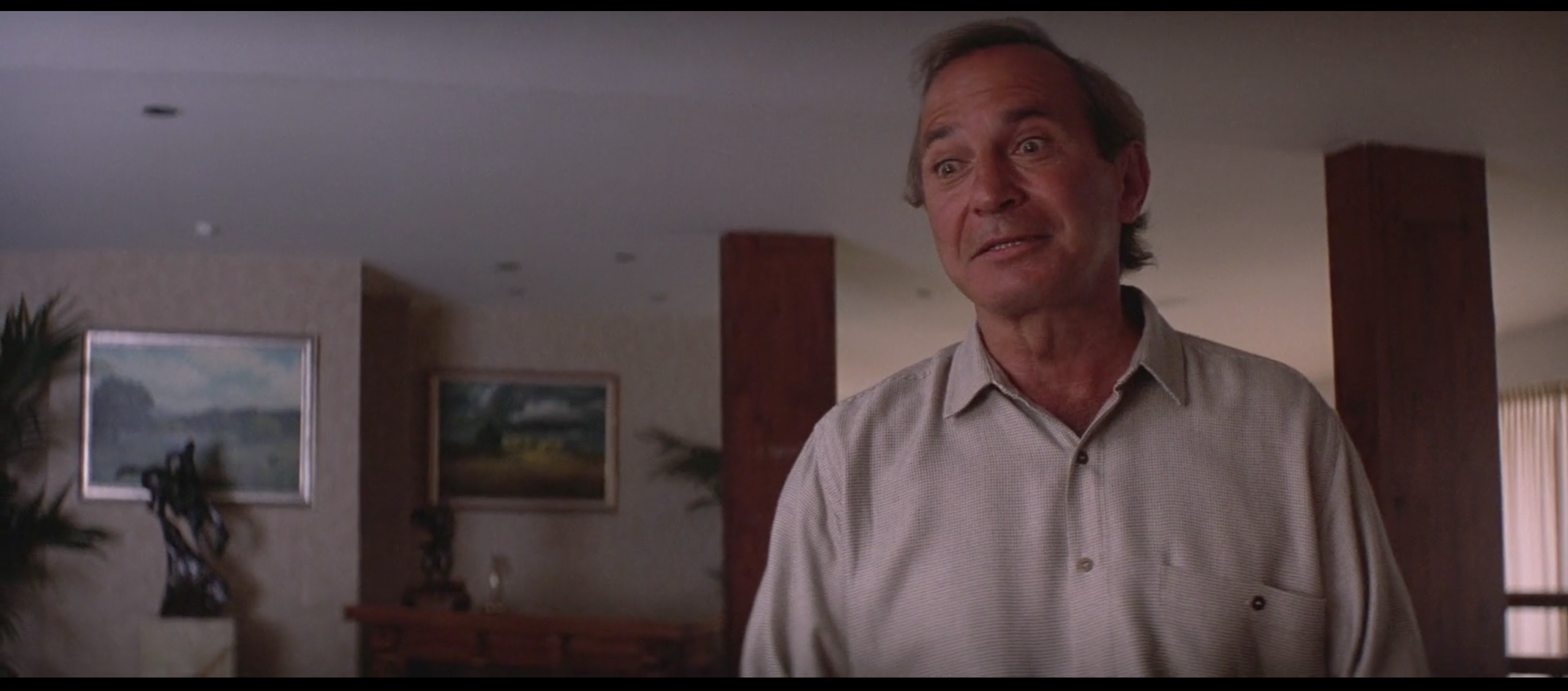
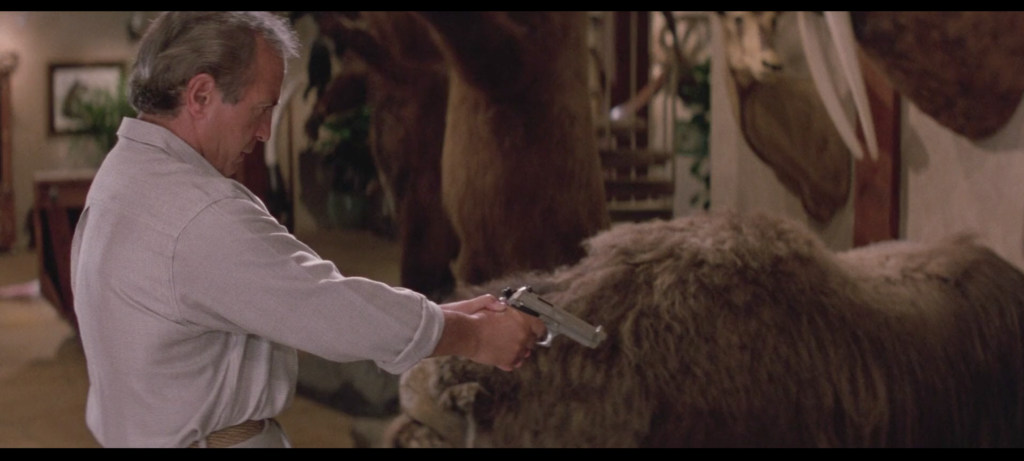
One of the several hypotheticals Pain Don’t Hurt has entertained at length is my belief that Frank Tilghman is the Emperor Palpatine figure of the story, the secret puppet master behind Brad Wesley who engineered the conflict with Dalton and brought it to a head by orchestrating the murder of Wesley and his associates when they were no longer of any use. Another theory Pain Don’t Hurt has espoused is that Frank Tilghman and Pat McGurn, Brad Wesley’s nephew and Double Deuce bartender, were once romantically involved and that he is therefore and visibly upset about having to fire him. They seem mutually exclusive propositions.

But this is true only if you believe that Tilghman is not just sinister but supernatural. No one can control for all variables, and it’s entirely possible that Frank’s Pat-shaped blind spot prevented him from thinking through the consequences of hiring a man to keep everything on the straight and narrow when your ex-lover is a transparent thief and ringer for the very stooge whose downfall you’re plotting. It’s also possible that Frank knew full well that Dalton would exile Pat from the Double Deuce, and that he deemed this an acceptable loss in service of the larger plan. Indeed, he could have considered it a form of alibi—after all, what kind of man would fire his own ex, for whom he clearly still had feelings, if he himself weren’t morally unimpeachable?

What kind of man, indeed.

“The Terror: Infamy” thoughts, Season Two, Episode Four: “The Weak Are Meat”

War is hell, particularly when you’re reasonably certain a demon has followed you to the front. Such is the predicament facing Chester Nakayama in “The Weak Are Meat,” the strongest episode of The Terror: Infamy yet. It’s far from a perfect episode: The voiceover narration, taking the form of letters sent between Chester and his pregnant girlfriend Luz back home, is frequently creaky, and the nature of the horror facing the characters is irritatingly amorphous. But it’s the first installment to deliver on the core promise of any show calling itself The Terror: It’s creepy.

I reviewed this week’s episode of The Terror: Infamy for the A.V. Club. This was an improvement for sure.

“Succession” thoughts, Season Two, Episode Four: “Safe Room”

Is Succession a TV show, or just a summary of stuff you’ve read on Twitter? This is the unpleasant question each new episode forces us to ask ourselves. “Safe Room,” so called because of the locations to which the Roy family are spirited after a shooting incident at the ATN news network (turns out it was just some guy committing suicide because working there is so awful), is a collection of topics you’ve seen blue-checkmark accounts tut-tut about, wired together by dick jokes.

[…]

Logan and Gerri panic over antifa, Connor and Willa attend the funeral for a thinly veiled Jeffrey Epstein analogue, white nationalist talk show hosts, mass-shooting paranoia, the collapse of legacy news media into the maw of reactionary conglomerates, yes yes yes, we get it. It really does feel like Twitter: The Television Show, because in the end, Succession doesn’t have anything interesting to say about any of these phenomena other than “Look, these phenomena exist.” At this point, that’s almost all there is to be said about, Succession, too.

I reviewed this week’s episode of Succession for Decider. I don’t care for this show.

245. The go-ahead

Brad Wesley has the people of Jasper, Missouri so shook that bartenders ask for permission before serving him, as if the act of pouring a shot for Brad Wesley is like letting a highly inebriated man pull a knife on you for trying to stop his girlfriend from dancing on a table. The bartenders, Ernie and Nameless, look straight to Dalton when Wesley makes his request, and fulfill it when and only when Dalton gives them an affirmative head-nod signal. Suddenly even the bartenders are acting like bouncers on the Dalton Path. Recall that it’s not their job to know when it’s time to not be nice; they won’t know, Dalton will tell them. As there are still a few grains left in the hourglass at this particular moment, Wesley gets his drink.

Given what is about to unfold one wonders if Dalton should have 86’d him right then and there. The numbers game appears—and I stress appears, because Wesley is holding several aces up his sleeve, along with a Jimmy-shaped Joker—to be even, which is to say it works in Dalton’s favor. Assuming Wesley to be a non-combatant, arrayed against Dalton, Wade, Jack, Hank, and Younger we can see Morgan, O’Connor, Tinker, and Ketcham, all of whom have fallen in Double Deuce–based combat already, in O’Connor’s case twice. (Maybe Wesley was right about him being a weak bleeder after all.) And since the bar is largely empty, with most of the crowd still outside watching the fire, the risk to civilians in the event of a brawl would be minimal.

But Dalton is reluctant to start something unless and until his opponent displays violent intent. As we will see, Wesley’s initial gambit is disruption rather than destruction—still a bounceable event, but not yet grounds for expulsion. I’ve never said this once during the course of this project but I’ll by-god quote it now: Man’s gotta have a code.

“The Affair” thoughts, Season Five, Episode Two

In its closing minutes, this week’s episode of “The Affair” shows us a vision of Montauk, N.Y., a few decades from now. It’s nothing short of post-apocalyptic. Gutted buildings, flooded parking lots, shattered streets in which nothing moves but salt water fish brought in by the tide.

Other than that, Mrs. Lincoln, how was the play?

I reviewed this week’s episode of The Affair for the New York Times.

244. Infiltration

The fox is in the henhouse. The rats are in the cellar. The weasels are in the corn. Using the conveniently timed explosion of Red Webster’s Auto Parts as cover, a large party led by Mr. Brad Wesley has infiltrated the Double Deuce. They expect the same things everyone does when they go to the bar: some drinks, some dancing, a little idle chatter. But they are arsonists and hired thugs, so naturally they’re not the sort of people who’d be allowed in the bar. Indeed, Morgan, Tinker, O’Connor, and Ketchum have all been expelled from the Double Deuce, bodily so in most cases. Only by distracting Dalton, Wade Garrett, and all the bouncers with the fireball outside could they even get in.

The presence of Wesley and his cronies is all but an admission of guilt, but it’s more than that. It’s a sign that Dalton’s control is slipping. He couldn’t stop these goons from getting in. As we’ll soon see, he doesn’t succeed in getting them out, either. Brad Wesley is calling, ordering, and firing the shots here, in that order.

The time to not be nice is here.

243. No one saw a thing

It’s okay. It’s okay, Frank. You’re okay. Just calm down. Everything went according to plan. Wesley did just what he told you he would. No one was injured. You still need Red for Phase 5, and this gets him one step closer. You need Dalton too, and he didn’t get wounded in the blast—despite his best efforts, the crazy sonofabitch. Don’t be nervous, don’t be scared. No one can connect you, and even if they could, no one would believe it. Wesley will be here any minute now with his men—who’d believe he’d show up to intimidate his own boss? Nobody, that’s who. Your alibi is rock solid. But quick, lower the blinds, just in case anyone looks up and sees. Put that poker face back on. Then practice looking concerned, not worried, concerned. How could such a thing happen? Oh, Red, I’m so sorry for your blah blah blah, that kind of thing. They’ll eat it up, the saps. They always have. They always do. But from now on, let’s steer clear of these…incidents. Strodenmire is next on the list, yes. Best not to show up to Wagon Days, then. Let Wesley handle it on his own. He won’t mind, the sad sociopathic bastard. And by the time he notices the money’s been diverted from his account…Phase 5. No one will ever be the wiser. Calm down, Frank. Have another drink or something. Just gotta keep telling yourself, I did it. I pulled it off. Nobody knows anything. No one saw a thing that I didn’t want shown. Everything is proceeding as I have foreseen.

242. Hats Off to (Red) Webster

Red Webster’s pickup truck pulls up too late. His auto parts store has already exploded, and when I said yesterday that the fireball reached 100 feet into the sky I may have sold it short by as much as 100%. Perhaps he had sticks of dynamite there among the bottles of motor oil. Whatever the case, this is destruction on a scale Jasper, Missouri has likely not seen before, unless there was an auto parts store on the land Brad Wesley earmarked for the JC Penney. Even a seasoned war dog like Dalton can only stand there and stare, rueful and aghast.

Understandably, Red Webster himself is a sight more emotional than his niece’s new fella. He expresses his extreme dismay the way anyone would, if by “anyone” you mean people who just lost at the dog track, or the coach of the rich kids camp’s baseball team in an ’80s movie, or the Mayor of River City right after learning that Professor Harold Hill has turned the townsfolk against his new pool table at the billiards parlor: He takes hat off and throws it on the ground. That’s his life’s work that just went up in a gout of flame, and his reaction is an emphatic dagnabbit.

241. Fire fighter

When Dalton discovers that Red Webster’s auto parts store is on fire he runs toward the burning building full-tilt. Never mind the fire trucks already pulling up to battle the flames. Never mind that it’s after hours and no one’s in the place to be rescued. Never mind that the place is set to blow at any moment. Dalton, who has never encountered a problem he couldn’t punch, looks for all the world like he’s running over there to physically beat up the fire. Fortunately or unfortunately the building explodes, sending gouts of flame a hundred feet into the air, before he can get too close, and the efficacy of this plan or instinct or whatever it is never gets put to the test. I wouldn’t have laid odds on the fire winning, though. Not in this movie.

There are a handful of moments scattered throughout Road House, like gems in Smaug’s treasure hoard, that illustrate who Dalton is. “Be nice” is one. “Pain don’t hurt” is one. The throat rip is one. The tai chi scene is one. And this is one. It has no pop-culture purchase whatsoever compared to the others; indeed I don’t know many people who’ve watched the movie who even notice it. But to me, it says so much about this man—a man of action, a man of dynamism, a man who wants to punch the fire.

“The Terror: Infamy” thoughts, Season Two, Episode Three: “Gaman”

We open in the Wild West, where everything is black and white and the cowboys speak Japanese.

We’re watching a movie screening in the internment camp where Chester Nakayama and company are being held prisoner by their government for the crime of their ethnicity. The star is John Wayne, but the voices and sound effects (a tambourine doubles for the jingle-jangle of spurs) are being provided live and in person by other residents of the camp. But it’s a strange effect, seeing this bit of American mythology remade by the circumstances of ugly American reality.

And it gets stranger when the Duke starts speaking directly to a member of his audience. “You have to go, Chester,” his dubbed voice proclaims. Now the footage of a shootout in the town square transforms into a black-and-white replay of the death of Chester’s family friend Mr. Yoshida, who himself warned Chester to go before he charged the guards and got himself gunned down.

Taking the advice perhaps too literally, Chester gets up and leaves the makeshift theater to relieve himself. As he does so, one of the camp’s blinding and intrusive searchlights sweeps over him, like the light from a movie projector. It renders him momentarily as ghostly and unreal as the phantasmagorical cowboys themselves.

This opening sequence proves that there’s a smart, restrained work of horror residing somewhere deep within The Terror: Infamy. Peel away enough corny dialogue and spooky clichés and you can work wonders with this premise and setting. But it’s the exception that proves the rule, and the rest of this episode (“Gaman,” which translates to “Persevere”) is more of the wearying, disappointing same.

I reviewed the third episode of The Terror: Infamy for the A.V. Club.

“The Terror: Infamy” thoughts, Season Two, Episode Two: “All the Demons Are Still in Hell”

“Ma,” says Chester Nakayama to his mother, “this may not be the best time to tell you this, but I’ve been going with someone.” All around them, Americans of Japanese origin or ancestry are being frog-marched by armed soldiers. “Her name is Luz.” These soldiers, or soldiers like them, had previously forcibly evicted all these people from their homes, and now they’re being forcibly evicted again. “Her name is Luz Ojeda.” The troops had already taken all men born in Japan and whisked them away to parts unknown. “Ma, look at me.” Everyone with so much as “a drop of [Japanese] blood” is subject to this discriminatory relocation regime. “Luz is pregnant.” Chester and his mother and everyone they know who hadn’t already been disappeared by the government are now being herded onto a racetrack. “She’s going to have my baby.” They’re going to live in horse stables.

Yeah, Chester, this may not be the best time to tell your mom all of this. Actually, let me put it a different way. Yeah, makers of The Terror: Infamy, you were right, this is most definitely not the best time to have your main character tell his mom all this.

Unless the point is to demonstrate why this iteration of AMC’s anthology series isn’t working, in which case the timing is perfect. Titled “All the Demons Are Still in Hell”—it’s taken from a characteristically stiff line about evil spirits, which in context indicates the opposite of what isolating the phrase as the title implies—the second episode of The Terror’s second season is a lot like the soldiers in that ridiculous scene. It marches the characters from place to place, forces them to make various declarative statements, and then whisks them onward for the next round. Subtlety, nuance, and (god forbid) scares are all in short supply.

I reviewed the second episode of The Terror: Infamy for the A.V. Club. What a bummer.

“The Affair” thoughts, Season Five, Episode One

Resilience is a trait “The Affair” shares with its leading lady. The show spent four seasons chronicling the tumultous lives of Noah (Dominic West), Helen (Maura Tierney) and the other couple drawn into and destroyed by the series’s central affair, Alison Bailey (Ruth Wilson) and Cole Lockhart (Joshua Jackson). Then it weathered the departures of two of its four leads, first Wilson (her character was killed off) and then Jackson (his character’s fate is unclear), under circumstances about which the involved parties have been … less than forthcoming.

Other series might not be up to the task of continuing after so severe an alteration to their basic make-up. But it’s a challenge to which “The Affair” is uniquely well suited. The series’s co-creator and showrunner, Sarah Treem, who wrote this season’s premiere, has never been interested in the neatly plotted arcs many viewers demand of their TV dramas. (Try talking to an angry “Game of Thrones” fan about Daenerys Targaryen or Jaime Lannister if you don’t believe me.)

Rather, the messiness of “The Affair” has always been its greatest strength. Its defining theme is the messiness of adult life, and all the forces — including love, lust, money, class, race, gender, parenthood and divorce — capable of laying waste to our best-laid plans. Birth and death rank right up there, too, and it is with these topics that the premiere concerns itself, using the shifting, sometimes contradictory point-of-view structure that has always set the show apart.

I’m thrilled to be back covering The Affair, one of my favorite shows, for the New York Times this season, starting with my review of the season premiere.


“Succession” thoughts, Season Two, Episode Three: “Hunting”

Jokes? Succession’s got jokes, are you kidding? Succession fuckin’ loves jokes! Succession’s like a big fuckin’ joke-shaped dick, squirting out hot loads of joke sperm, you dumb bastard. “No one is gonna wanna tackle a big angry pufferfish bristling with dick.” “I don’t wanna get into a dick-measuring competition, but I have a better, more powerful dick than you.” “This is about as choreographed as fucking a dog on roller skates.” Jokes, Greg!

“Hunting,” the wearying third episode of Succession’s second season, goes on much like that for the duration. Which is how the whole series has gone on, pretty much: overwrought obscenity delivered as the punchline to a slow and winded setup. No matter who’s talking—that’s Tom, Roman, and Logan above respectively, not that it matters—the jokes come out the same.

This is true even without the crutch of inventive cussing to lean on. Here’s Greg, for example, enthusing about his first flight on a private jet: “It’s like I’m in a band! A very white, very wealthy band. It’s like I’m in U2!” Here’s the windup…and the windup…and the windup…aaaaand the pitch. The idea, I suppose, is that by the time the jokes get where they’re going you’re caught up in the huff-and-puff rhythm and primed to receive whatever they throw at you. I’m mostly just bored.

I reviewed the third episode of Succession for Decider.

“Mindhunter” thoughts, Season Two, Episode Nine

As Mindhunter Season 2 winds down—as Bill returns to an empty home and finds his wife and son have moved way without him; as Wendy throws out her ex-girlfriend’s trashy magazines; as Holden tends to a spaghetti stain on his shirt while Atlanta officials officially close the book on the so-called Atlanta Monster; as BTK poses for masked bondage photos with his souvenir gallery on full display—I feel it tried to do those 29 murders, those 29 victims, justice. It had to work as an engaging television story to do so, not just a current-events report or a Wikipedia article. And it did.

MINDHUNTER 209 TAKE A VICTORY LAP

I reviewed the season finale of Mindhunter for Decider. This season was a tremendous step up from its predecessor.

240. Early warning system

“Dalton, Red’s place is on fire!” Once more unto the beach, dear Jack, once more; or put the fire out with our Jasper booze. When Brad Wesley’s minions—presumably Jimmy, the go-to guy for arson—sets Red Webster’s auto parts store ablaze, who but Jack would be the man to bring Dalton the bad news? He bursts through the packed Double Deuce crowd with the kind of speed that would make a man his size an absolute phenomenon in today’s pro wrestling world, where agile big men are star attractions. He grasps the severity of the situation. He understands that Dalton is the man to be told, intuiting on some level that Dalton is involved in the conflict that caused the conflagration. Even now he follows the Three Simple Rules, allowing his cooler to determine whether to be nice or to not be nice. He’s watching Dalton’s back, and everyone else’s. He is Jack, the heir apparent, the Dalton Dauphin, the Crown Prince of Cooling. All hail.

239. Tilghman Noir

Nothing to see here, folks. Nothing at all, really. Just Frank Tilghman, illuminated by the chiarascuro of red light and black shadow of horizontal blinds, spending the last few moments before his friend and neighbor Red Webster’s auto parts store succumbs to arson by holding a drink and tensely gazing out over what anyone who didn’t know a major crime was about to be committed would think is a happy nighttime crowd at the bar he owns. Definitely no Bad Guy shit going down here, no siree bob. Why, if you were to show up with a posse of Jedi Masters to arrest him he certainly wouldn’t scream UNLIMITED POWER before blasting you through that window to your doom, no way no how.

238. White Room

With the Memphis Monologue on one side (following hot on the heels of Wade Garrett’s area hair) and the destruction as if by napalm of Red Webster’s auto parts store on the other (followed immediately by Denise showing us the girls), it falls to Jeff Healey to provide us with a bridge commensurate to that level of emotional intensity and body heat. Boy, does he deliver. The Jeff Healey Band’s rendition of that perennial nightclub floor-filler “White Room” by Cream (just go with it) is an absolute barn-burner (no pun intended), featuring a solo by Healey that could peel paint off the walls. It makes Wade Garrett consider attempting to get hisself double-teamed by two lovely young ladies standing next to him and Dalton, as he indicates to his protégé with a knowing nod and wink. (Dalton shakes his head in that “oh you lovable scamp” fashion; don’t think for a second he’s tempted himself, since his virtue will be put to the test shortly.) I think it’s possible it’s actually what sets Red Webster’s place on fire. It whips ass, is what I’m saying, and the movie is lucky to have music of such self-evident force and badassery in its arsenal when no one’s around to get punched in the head.

“Mindhunter” thoughts, Season Two, Episode Eight

Did you know: This season of Mindhunter is just nine episodes long. If you’re reading this, it means the chances are good that you’ve just watched the penultimate hour of that season. Did it feel penultimate to you? Have things been building to a head? Or is it more like, I dunno, you followed a whole bunch of false leads and wash-out strategies, only for the climax to fall into your lap pretty much out of nowhere? If you’re like me, it’s the latter scenario. That tells me Mindhunter Season 2 is doing its job very well.

I reviewed the penultimate episode of Mindhunter Season 2 for Decider. I really think this show has turned around.

237. Workin’ for a Livin’

“Don’t mean to bust up the party,” says Dr. Elizabeth Clay after a night of drinking that kept her up past dawn, “but my shift starts in a couple of hours. Thought I’d go home, get some sleep.” Yes, it’s generally a good idea for a trauma surgeon to shower up and take a power nap before heading in to work at a hospital while simultaneously hung over and still slightly drunk. To her credit, I guess, she’s no longer drinking alcohol by the time she and her co-stars in the mature-readers AO3 story I’ve written in my head reach the diner in which she and Wade Garret dance while other patrons are just trying to eat their breakfast in peace. Their table holds two beers, one for each gentleman, and what looks like a cup of coffee, for the doctor who knows caffeine doesn’t meaningfully counteract the effects of alcohol but wants to “sober up” like a college student who has to drag himself into class in order to get course credit after pulling an all-nighter that definitely involved vomiting into a bush at some point. So, you know, kudos to her. I just hope O’Connor doesn’t need to be rushed to the ER for excessive bleeding today, since there’s every possibility an inebriated doctor working on like 45 minutes of sleep will slice open a vein. Still, what a magical evening, huh? Such is the stuff from where malpractice insurance are woven.

236. A man of his word

“I sure ain’t gonna show you my dick.” —Wade Garret

The letter of the law more so perhaps than the spirit, but still, Wade Garrett’s word is bond.